Environmental Justice: Fairness in Climate Action, Pollution, and Resource Access
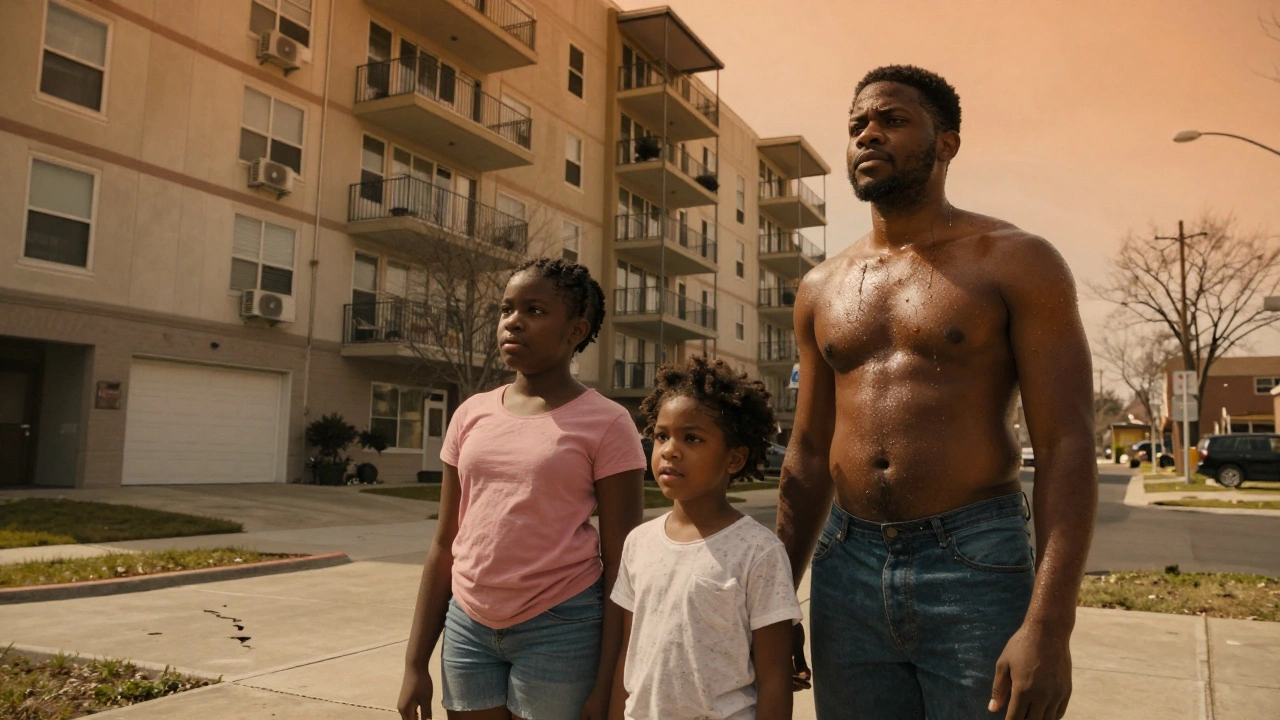
When we talk about environmental justice, the fair treatment and meaningful involvement of all people regardless of race, income, or location in environmental laws, policies, and decisions. Also known as climate justice, it’s not just about saving trees or reducing carbon—it’s about who gets to breathe clean air, drink safe water, and live without toxic waste sites outside their doors. This isn’t a fringe issue. It’s the reason why neighborhoods with mostly Black, Latino, or Indigenous residents are three times more likely to be near polluting factories. It’s why low-income communities get left out of green infrastructure funding—even when they’re hit hardest by heat waves and flooding.
pollution equity, the fair distribution of environmental hazards and benefits across populations is broken. Studies show that in the U.S., white communities breathe 17% less polluted air than Black and Hispanic communities, even though those same communities produce less pollution overall. Meanwhile, resource access, the ability of communities to gain equal access to clean energy, green spaces, and climate resilience tools is uneven. In rural towns and urban heat islands alike, people are left without cool roofs, tree cover, or reliable electricity—while wealthier areas install solar panels and microgrids. This gap isn’t accidental. It’s built into zoning laws, funding formulas, and political power structures.
That’s why environmental justice now shows up in places you might not expect. It’s in the fight over where new wind farms are built. It’s in who gets hired for green jobs. It’s in whether Indigenous groups can protect sacred lands from mining or pipelines. It’s in the $1.3 trillion climate finance plan at COP30, where the question isn’t just how much money is pledged—but who controls it. The posts here don’t just talk about climate change. They show you how it plays out in real neighborhoods, how policy decisions lock in inequality, and how communities are pushing back with real solutions—from community solar projects to legal battles over toxic permits.
What you’ll find below isn’t theory. It’s case studies, data, and on-the-ground strategies from places where environmental justice is being fought for—and won. You’ll see how green finance moves money, how heat resilience gets built, and how climate negotiations either include the most vulnerable—or leave them behind. This isn’t about saving the planet. It’s about saving people.