Equity Market Impact: How AI, Climate, and Policy Shape Global Finance
When we talk about equity market impact, how economic, technological, and social forces change the value and behavior of stock markets. Also known as market dynamics, it’s not just about earnings reports—it’s about who wins and loses when algorithms trade faster than humans, when climate disasters hit supply chains, or when governments change the rules overnight.
One major driver is AI in finance, the use of machine learning models to predict price movements, manage risk, and execute trades at lightning speed. These systems now control trillions in assets, but they also create new dangers: flash crashes from identical algorithms reacting the same way, or model failures that go unnoticed until it’s too late. The same AI reshaping banking and trading is also changing how companies are valued—those investing in automation and data see higher multiples, while others get left behind. This isn’t theory. It’s happening right now in hedge funds, pension portfolios, and retail brokerages.
Then there’s climate equity, the idea that climate change affects people and markets unevenly, and that financial systems must account for who bears the cost. A coal plant in a low-income region might be worth less tomorrow because of carbon taxes. A factory in Bangladesh could lose its insurance because of flood risk. Meanwhile, companies with strong environmental practices are seeing more investment—not because it’s trendy, but because regulators, insurers, and lenders are forcing the change. This isn’t just about ethics. It’s about asset values. green finance, the flow of capital into climate-aligned projects like renewable energy and sustainable infrastructure has hit $2.9 trillion in bonds alone. That money isn’t sitting still. It’s shifting equity valuations across sectors, punishing polluters and rewarding innovators.
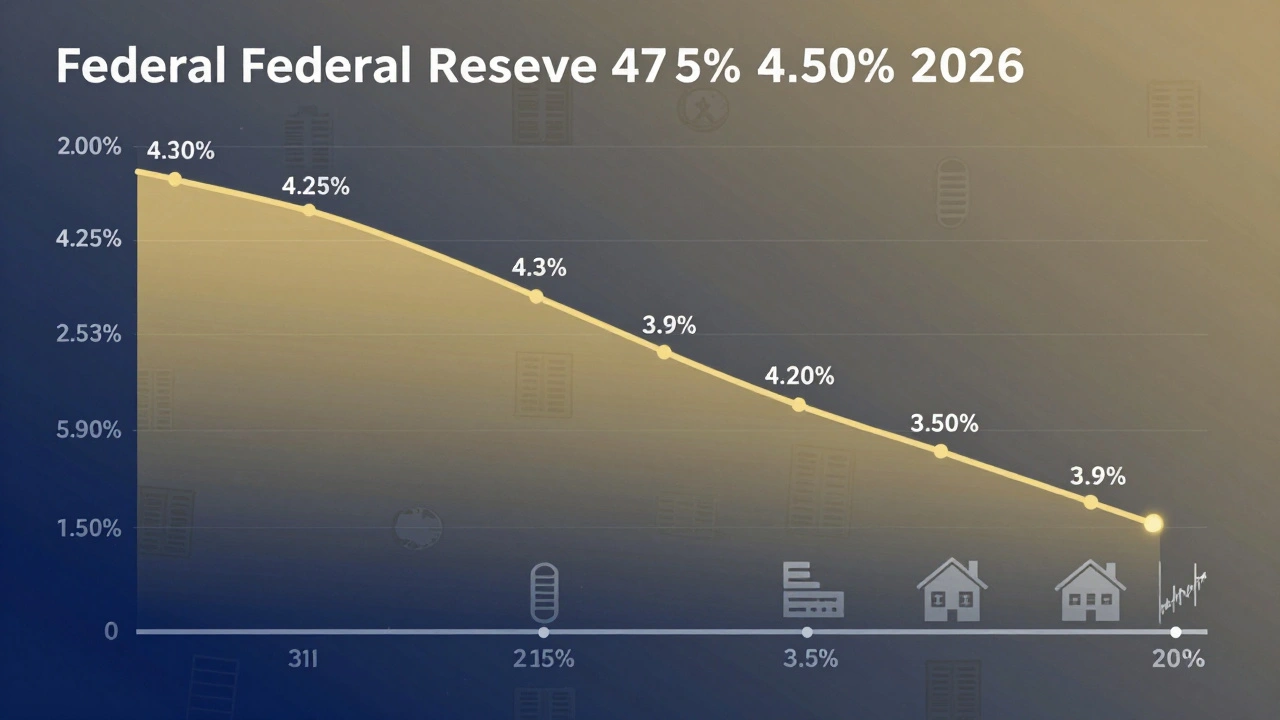
And behind it all is financial stability, the system’s ability to absorb shocks without collapsing. When central banks raise rates, when private credit dries up, when energy grids fail—markets feel it. The Ukraine war didn’t just move gas prices. It rewired how investors see risk across Europe, forcing them to reprice everything from utilities to defense stocks. The same way AI introduced new risks, climate events are now embedded in balance sheets. And policy? From CBDCs to childcare subsidies, every government decision ripples through markets. A paid leave law in Canada doesn’t just help families—it boosts female labor participation, which grows the economy, which changes corporate earnings, which moves stock prices.
What you’ll find below isn’t a list of abstract theories. These are real stories: how algorithmic trading caused a flash crash, how a green bond helped rebuild a city, how a rural town’s population loss hit local banks, how AI in public services changed tax collection—and how all of it ties back to the same thing: equity market impact. No jargon. No fluff. Just the connections that matter.