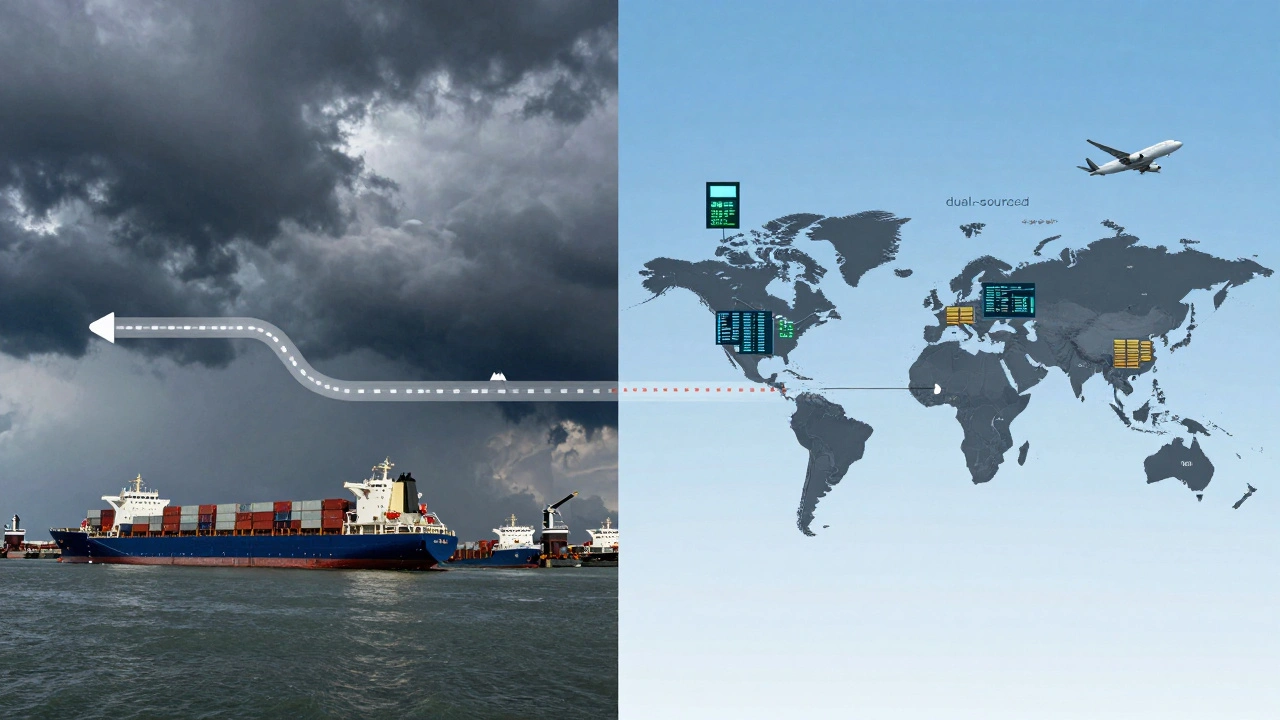
European grid synchronization: How Europe’s power network is changing energy security and climate goals
When you flip a light switch in Berlin, the electricity might have come from a wind farm in Denmark, a solar plant in Spain, or a hydro station in Norway. That’s possible because of European grid synchronization, the real-time connection of national power grids across 25 European countries into a single, synchronized network. Also known as the Synchronous Area of Continental Europe, it’s not just wires and transformers—it’s the backbone of Europe’s energy transition. Before this system, each country ran its own grid like isolated islands. Now, surplus power from sunny Greece can fill gaps when the wind dies down in the UK. It’s not magic—it’s engineering, policy, and cooperation on a massive scale.
This synchronized grid isn’t just about moving electrons. It’s tied directly to renewable energy integration, the process of bringing variable sources like wind and solar into a stable, reliable system. Without synchronization, solar panels in Italy couldn’t help balance out cloudy days in Poland. And energy security, a country’s ability to keep the lights on without relying on unstable foreign suppliers, has improved dramatically. Countries that once depended on Russian gas now trade clean power with neighbors. The grid also cuts costs—when one region has cheap power, others buy it instead of burning coal. This isn’t theory. In 2023, cross-border electricity flows hit a record 1,200 terawatt-hours, enough to power Germany for over a year.
But it’s not perfect. The grid faces pressure from extreme weather, aging infrastructure, and sudden spikes in demand. That’s why grid stability, the ability to maintain consistent voltage and frequency across the entire network is now a top priority. Engineers use AI to predict surges, and countries are building new interconnectors—like the one linking Norway’s hydropower to the UK’s offshore wind farms. These aren’t just technical upgrades. They’re political acts. Countries are agreeing to share control of their grids, something that would’ve been unthinkable a decade ago.
What you’ll find below are real stories of how this grid is changing lives. From how Baltic states are using it to reverse population loss, to how AI is helping avoid blackouts, to how green bonds are funding new cross-border cables—each post shows a piece of this puzzle. This isn’t about politics or theory. It’s about who gets power, when, and why it matters for your wallet, your climate, and your future.