Flash Crashes: What Causes Sudden Market Meltdowns and Who Gets Hurt
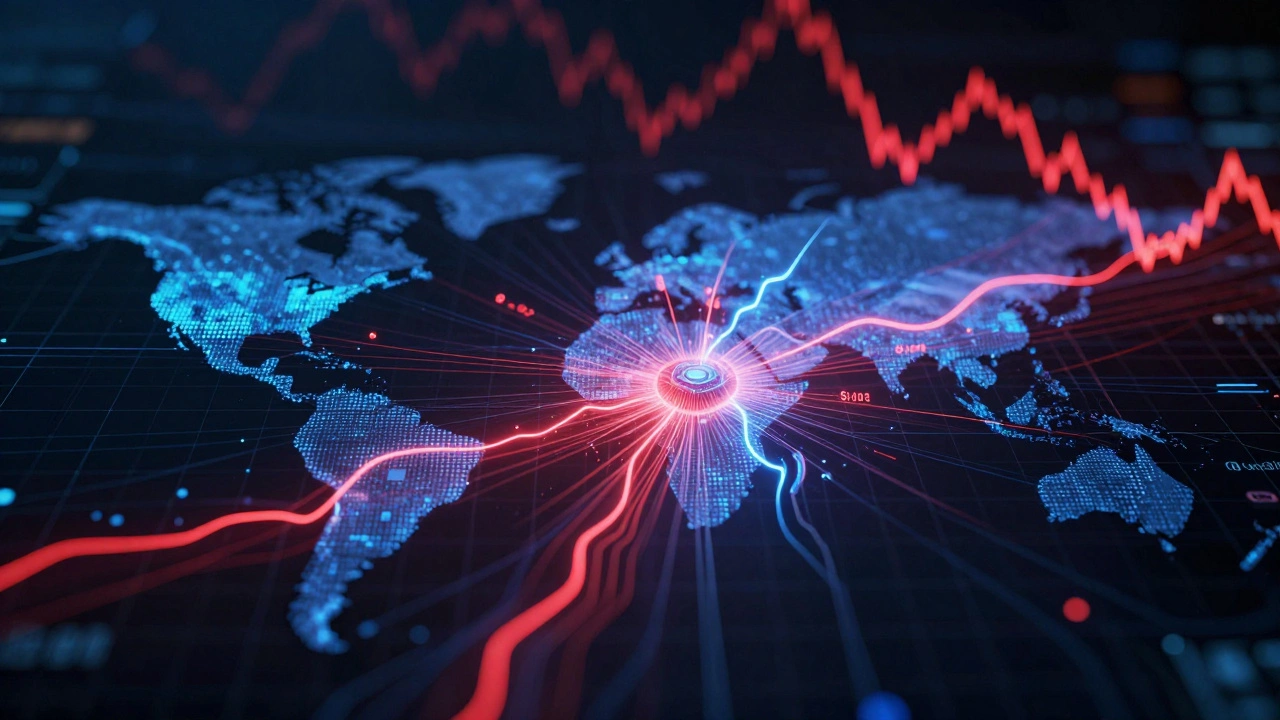
When the market drops 1,000 points in minutes—then recovers just as fast—that’s a flash crash, a rapid, deep, and temporary plunge in asset prices caused by automated trading systems. Also known as market plunge, it’s not panic from investors—it’s code gone wrong. These events don’t happen because people are selling. They happen because computers, programmed to buy and sell based on price movements, start reacting to each other in a feedback loop. One algorithm detects a drop, sells. Another sees that sale and assumes something’s broken, so it sells faster. Within seconds, the system spirals.
Behind every flash crash is high-frequency trading, a type of algorithmic trading where computers execute orders in microseconds to profit from tiny price differences. These systems dominate trading volume—over 60% in U.S. equity markets—and they don’t care about fundamentals. They care about speed, liquidity, and patterns. When something breaks—like a fat-finger trade, a glitch in a data feed, or a sudden shift in order flow—they amplify it instead of calming it. algorithmic trading, the broader category that includes high-frequency trading and other automated strategies is designed for efficiency, not stability. And when markets get noisy, these systems don’t pause. They double down.
Flash crashes aren’t rare. The 2010 Dow plunge—where the index lost nearly 1,000 points in under 10 minutes—wasn’t an accident. It was a perfect storm of low liquidity, aggressive algorithms, and a single large sell order triggering chain reactions. The 2015 Swiss franc shock, the 2018 Tesla flash crash, even the 2020 oil futures meltdown—all followed the same script. The fix? Circuit breakers, better order controls, and slower execution speeds. But most of these rules are reactive. The systems that cause the crashes are still running, still learning, still faster than any human regulator.
Who pays the price? Not just hedge funds. Retail investors who use stop-loss orders get wiped out. Pension funds see temporary losses that trigger panic. Even banks that hold positions for hours get caught in the crossfire. And because these crashes vanish as quickly as they appear, they’re often dismissed as "noise." But noise that wipes out billions isn’t noise—it’s a systemic flaw.
Below, you’ll find real-world breakdowns of how these events unfolded, what triggers them, and how traders, regulators, and everyday investors are trying to survive them. No fluff. No jargon. Just what happened, why it matters, and what you need to know before the next one hits.