Friend-shoring: What It Is and Why It’s Reshaping Global Supply Chains
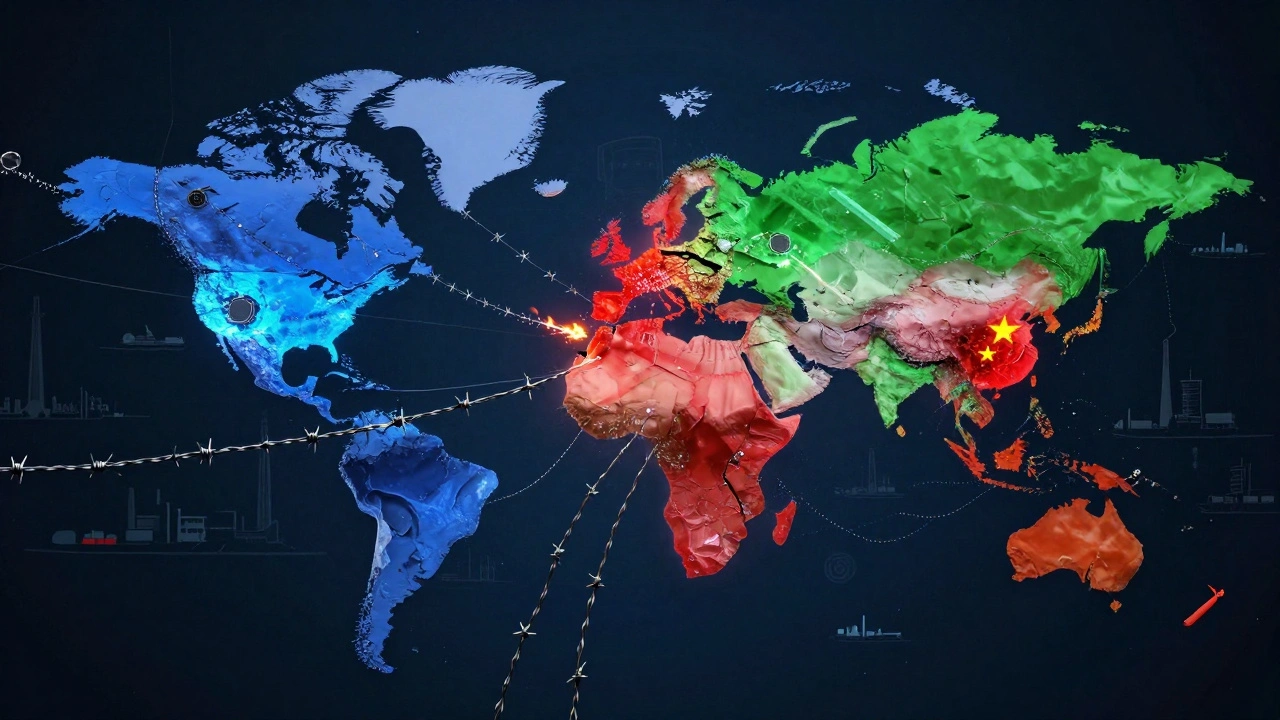
When companies talk about friend-shoring, the practice of moving manufacturing and sourcing to countries with strong political and economic ties. Also known as alliance-based offshoring, it’s not just about cost—it’s about control, trust, and security in a world where supply chains are battlegrounds. After years of chasing the lowest prices in Asia, businesses are now asking: What happens when a key supplier is also a geopolitical rival? The answer isn’t just reshoring back home—it’s shifting to friends.
Supply chain resilience, the ability to absorb shocks without major disruption is now the top priority for CEOs, not just CFOs. Events like the Ukraine war, Taiwan tensions, and pandemic-era lockdowns showed how fragile global networks are. That’s why companies are now favoring partners like Mexico over China for auto parts, or Poland over Vietnam for electronics assembly. These aren’t random choices—they’re strategic moves tied to geopolitical risk, the threat that political instability or conflict can damage trade and investment. The U.S. Inflation Reduction Act, the EU’s Critical Raw Materials Act, and Japan’s supply chain security fund all reward friend-shoring with subsidies and tax breaks.
It’s not just about avoiding enemies—it’s about building networks that work together. Friend-shoring creates tighter coordination: shared regulations, similar labor standards, and aligned data rules. This reduces delays, cuts compliance costs, and makes audits easier. It also helps companies meet growing demands for trade policy, government rules that guide international commerce and protect national interests that are now tied to climate goals, human rights, and digital sovereignty. You can’t just outsource production anymore—you have to outsource to allies who share your values.
What you’ll find in this collection are real examples of how industries are rewriting their supply chains—not with grand announcements, but with quiet, calculated shifts. From semiconductor makers in Texas partnering with South Korea to European energy firms relying on Canada for lithium, these stories show friend-shoring in action. You’ll see how it’s tied to AI-driven logistics, climate-aligned sourcing, and the quiet end of globalization as we knew it. This isn’t a trend you can ignore—it’s the new foundation of global business.