Generative AI: How It's Reshaping Jobs, Governance, and Global Innovation
When we talk about generative AI, a type of artificial intelligence that creates new text, images, code, and audio based on patterns it has learned. It's not just chatbots and image generators—it's rewriting how work gets done, who controls technology, and where innovation happens. Unlike older AI that just analyzed data, generative AI builds things from scratch. That shift is forcing companies, governments, and workers to react fast.
That’s why AI governance, the set of rules and practices ensuring AI is used safely and ethically is exploding. The EU AI Act and NIST’s framework aren’t just paperwork—they’re direct responses to how generative AI can spread misinformation, automate hiring unfairly, or leak private data. At the same time, AI policy, the national strategies that fund research, attract talent, and set boundaries for tech development is becoming a battleground. The U.S. and China aren’t just competing in chips—they’re racing to shape who gets to build the next wave of AI tools and who gets left behind.
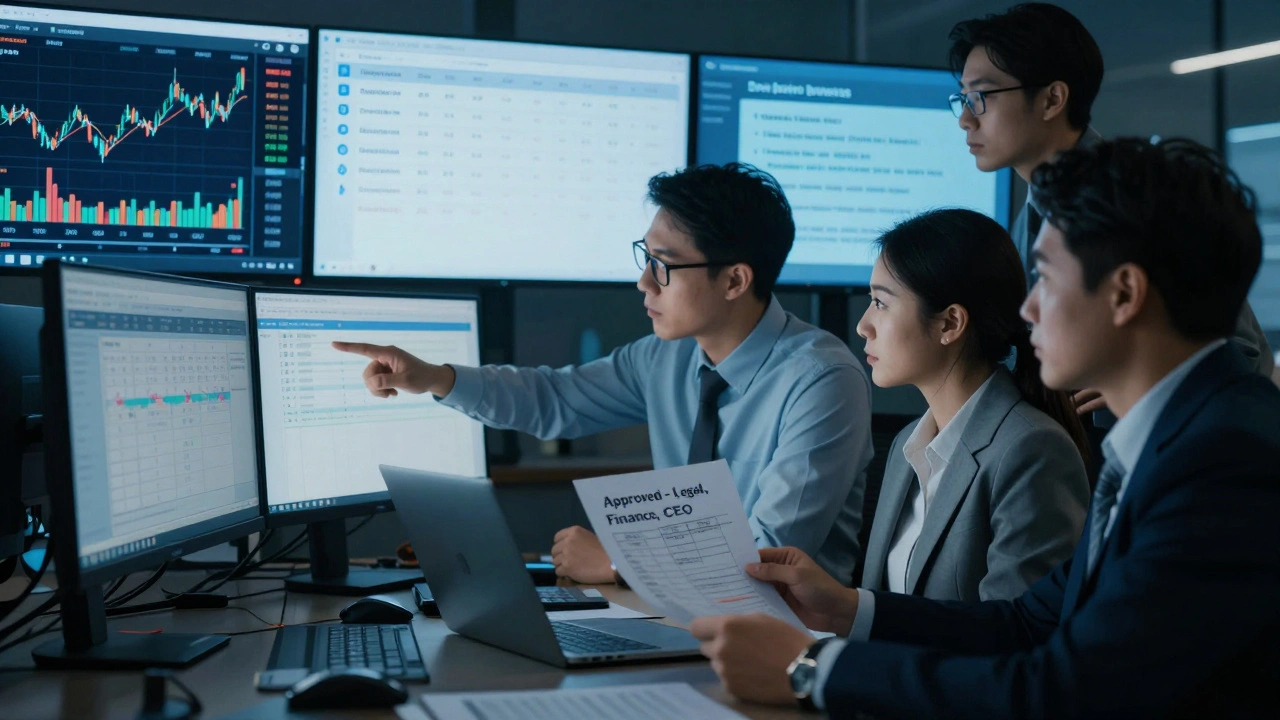
And it’s not just about laws and money. AI in workforce, how businesses use AI to change job roles, not eliminate them is already here. Companies aren’t firing people—they’re pairing human judgment with AI speed to cut burnout and boost output. But that’s only possible if workers get trained, and if companies avoid letting AI lock in bias. Meanwhile, AI antitrust, the fight to stop a few big tech firms from owning the models, data, and cloud power that run generative AI is heating up. If only three companies control the best models, innovation dies. Regulators are watching closely.
What you’ll find below isn’t hype or speculation. These are real cases: how AI is transforming banking, healthcare, and public services. How governments are trying to keep up. How startups in Israel and Asia are building tools that challenge Silicon Valley. How workers are adapting—or getting left out. This isn’t about robots taking jobs. It’s about who gets to decide what those jobs look like next.