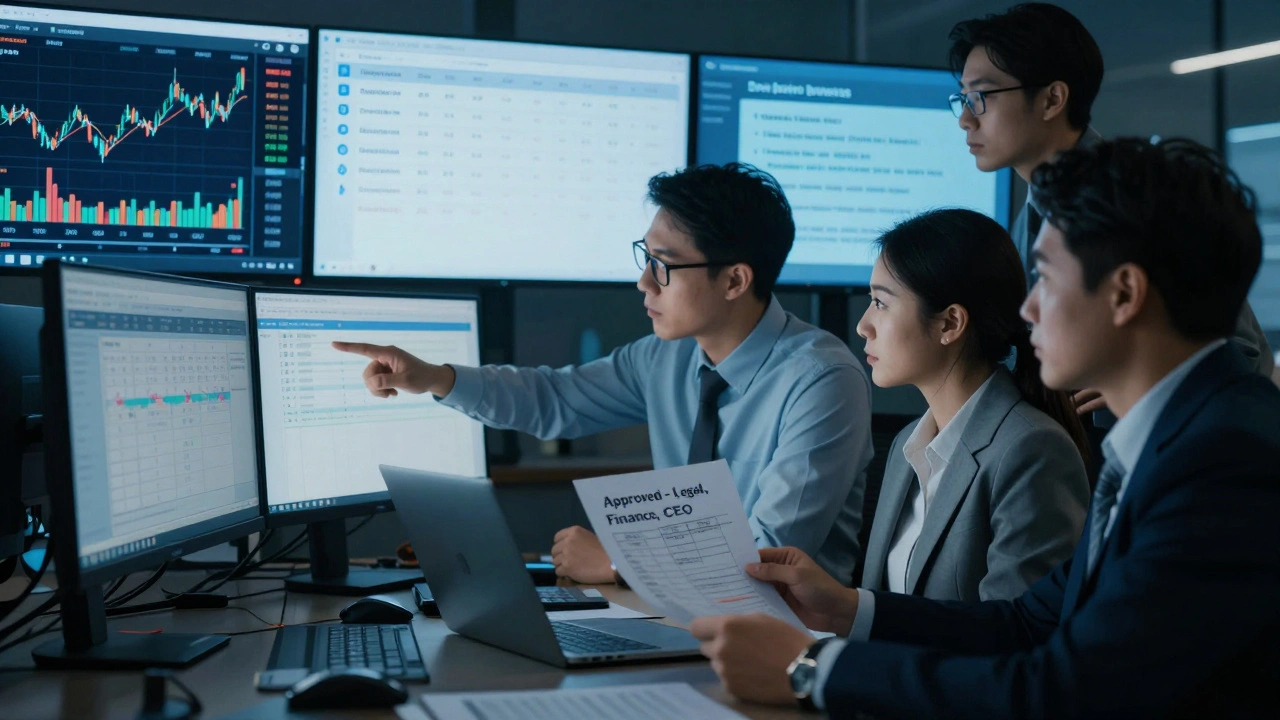
Generative AI Business: How AI Is Transforming Work, Finance, and Public Services
When you hear generative AI business, the use of artificial intelligence to create text, images, code, or decisions that mimic human output for commercial gain. Also known as AI-driven automation, it's no longer just a tech experiment—it's rewiring how companies hire, lend money, serve citizens, and manage risk. This isn't science fiction. It's in your bank’s loan approvals, your city’s customer service chatbot, and the trading algorithms that move billions in seconds.
Behind every AI in finance, the use of machine learning models to automate trading, assess credit risk, or detect fraud is a hidden danger: model risk, the chance that an AI system makes flawed decisions because it was trained on bad data, misunderstood the context, or copied errors from other systems. A single flawed model can trigger a flash crash—or deny a small business a loan it desperately needs. That’s why companies are starting to audit their AI like they audit their balance sheets. Meanwhile, AI in government, the deployment of generative AI to handle citizen inquiries, process applications, or predict service demand is growing fast. Estonia uses AI to process 90% of tax filings without human review. Singapore automates visa applications. But when these systems fail, there’s no call center to fix it—just silence.
What ties all this together? Generative AI business doesn’t just save time—it changes power. It shifts who makes decisions, who gets access to capital, and who gets left behind. The same tech that helps a startup scale overnight can also lock out workers without digital skills. It can speed up public services—or make them colder and less human. The posts below show you exactly how this plays out: how banks are using AI to predict defaults, how cities are automating welfare checks, how private lenders are replacing traditional credit with algorithmic risk scores, and why the people building these tools are now being asked to answer for their mistakes. You’ll see real cases—not theory. No fluff. Just what’s happening, where it’s going, and what you need to know before the next update rolls out.