Global Health Security: How Nations Prepare for Pandemics, Biothreats, and Health Crises
When we talk about global health security, the collective actions nations take to prevent, detect, and respond to health threats that cross borders. Also known as international health defense, it's not just about stopping viruses—it's about keeping hospitals running, protecting supply chains, and ensuring doctors have what they need when crisis hits. After COVID-19 exposed how fragile health systems can be, countries realized that waiting for an outbreak to start is like waiting for a fire to spread before installing smoke alarms.
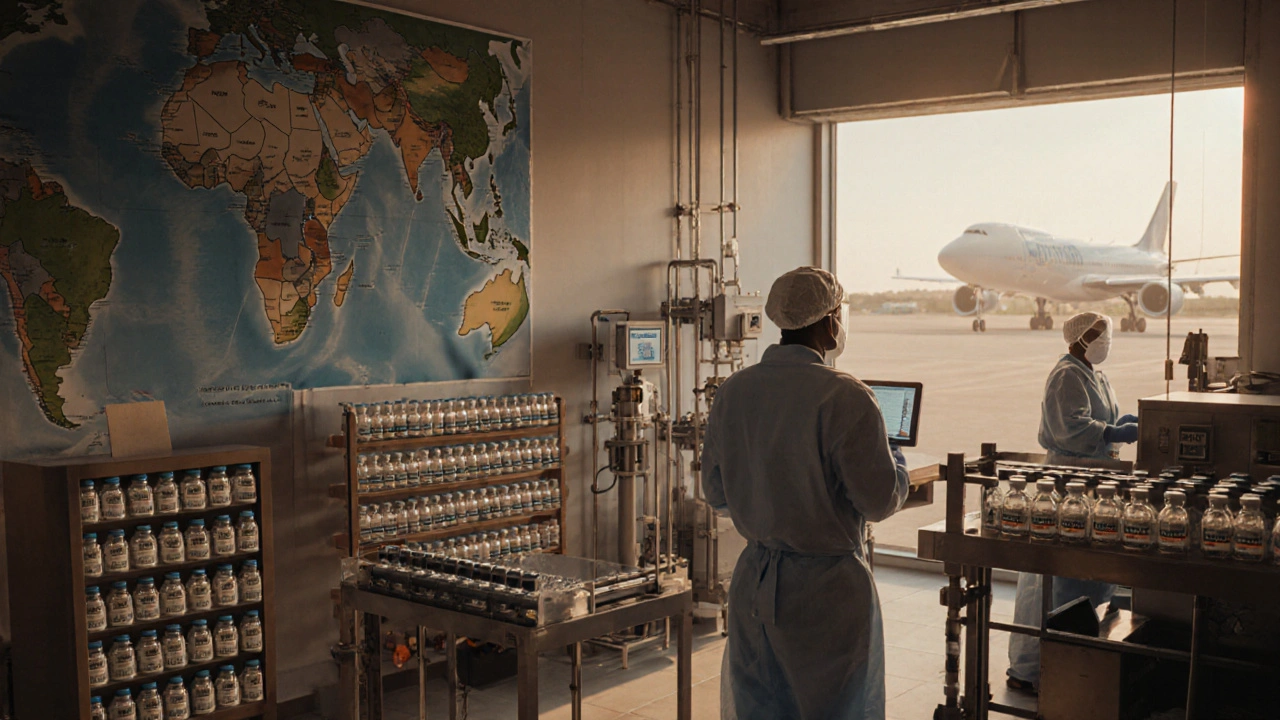
pandemic preparedness, the planning and investment in systems that can scale up during health emergencies isn't optional anymore. It’s the difference between a hospital that can handle 500 extra patients in a week and one that shuts down. Countries like Estonia and Singapore use AI to predict surge patterns, while others invest in cold chain logistics to keep vaccines alive in remote areas. But preparedness isn’t just tech—it’s people. Training community health workers, stockpiling masks and ventilators, and having clear rules for when to lock down or open borders all matter more than any single drug or vaccine.
health system resilience, the ability of health systems to absorb shocks without collapsing is what ties everything together. A country can have the best lab in the world, but if nurses are burned out, supply trucks can’t reach rural clinics, or data systems can’t talk to each other, the system breaks. That’s why the most effective responses don’t just focus on outbreaks—they fix the cracks in the foundation. Paid sick leave, mental health support for frontline staff, and real-time disease tracking are just as vital as border checks.
And it’s not just viruses. Climate change is making heat-related deaths more common, especially in cities without green spaces or cooling centers. Biosecurity threats—from lab leaks to weaponized pathogens—are growing as tech becomes more accessible. Even economic shocks, like a sudden drop in health funding, can trigger health crises that ripple across borders. That’s why global health security now includes everything from water safety to mental health access to AI-driven surveillance.
What you’ll find below aren’t just news stories—they’re real-world examples of what works, what fails, and who’s stepping up. From simulation drills in hospitals to policy changes that protect workers during outbreaks, these posts show the quiet, daily work that keeps the world from falling apart when the next crisis hits. No fluff. No hype. Just the facts on how nations are actually building defenses—not just for today, but for the next decade.