Green Climate Fund: How Global Finance Is Funding Climate Justice
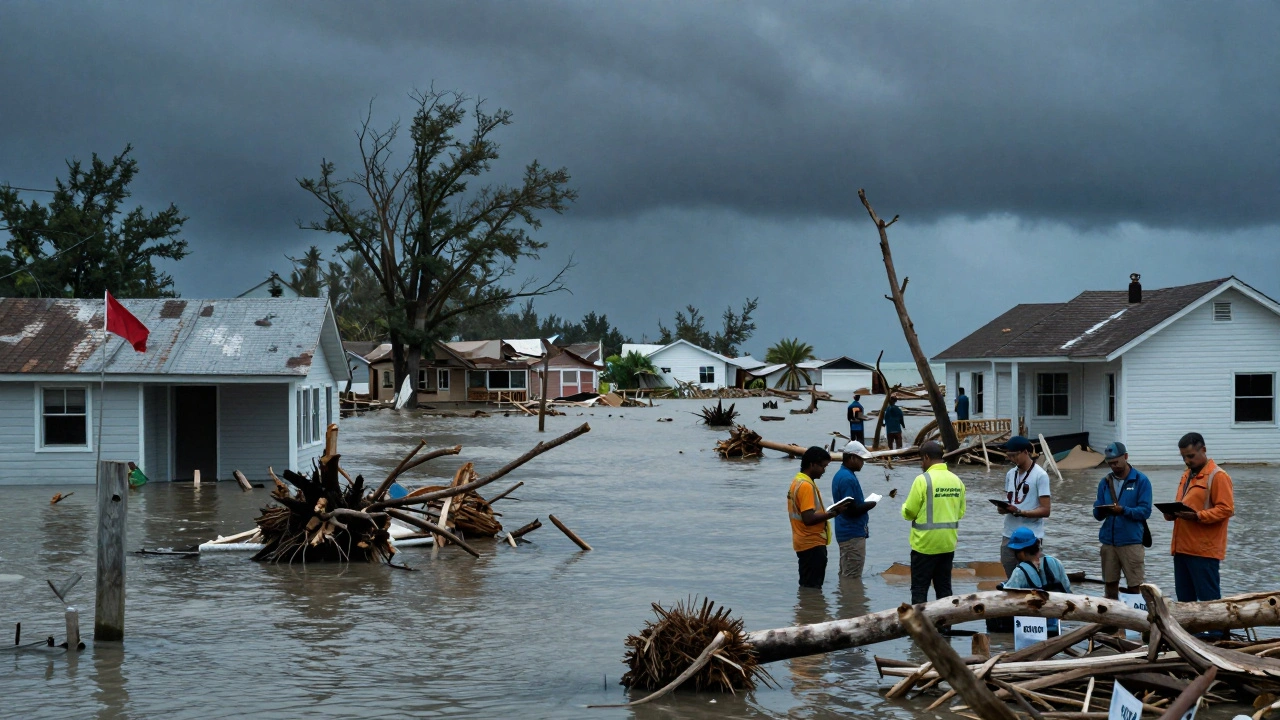
When we talk about the Green Climate Fund, a UN-backed financial mechanism created in 2010 to help developing countries adapt to and mitigate climate change. Also known as GCF, it’s the biggest single source of public climate finance in the world, with over $10 billion pledged and $7 billion disbursed since its launch. This isn’t charity—it’s a structured effort to fix an imbalance: the countries that contributed least to global warming are the ones hit hardest by floods, droughts, and rising seas.
The Green Climate Fund doesn’t hand out cash to governments and walk away. It works through accredited partners—banks, NGOs, and local agencies—that design projects with real communities. That means building flood-resistant farms in Bangladesh, installing solar microgrids in rural Kenya, or helping coastal cities in Vietnam redesign their drainage systems. These aren’t theoretical ideas. They’re happening now, funded by money from rich nations that pledged to contribute $100 billion a year by 2020 (a target they still haven’t fully met).
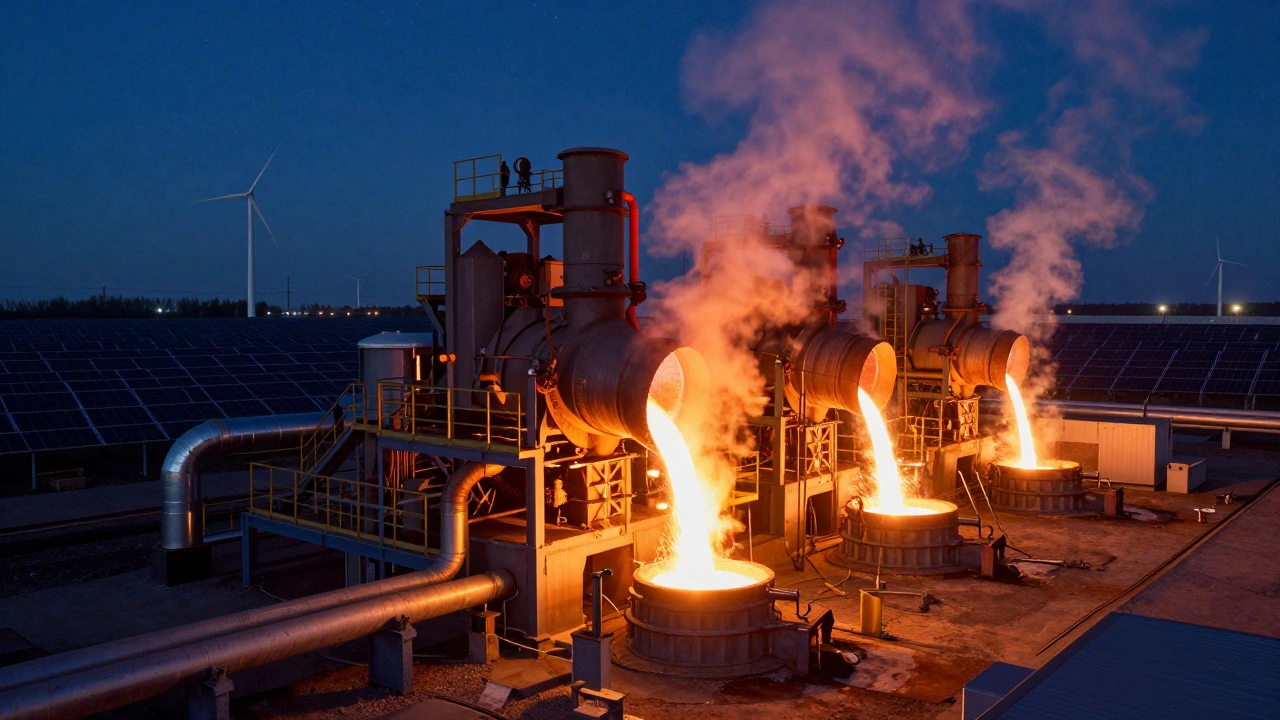
It’s closely tied to climate finance, a broader term covering everything from green bonds to private investment in clean energy. The Green Climate Fund is one piece of that puzzle—specifically focused on the most vulnerable. And it’s where climate justice becomes real money. Because if you’re a farmer in Malawi losing your crop to unseasonal rains, you don’t care about carbon targets. You care about seeds, water, and insurance. The GCF tries to answer that.
There’s tension, though. Some critics say the fund moves too slowly. Others point to greenwashing—projects labeled "climate-friendly" that don’t actually reduce emissions or help the poor. But the real test is in the outcomes: are communities safer? Are energy systems cleaner? Are people earning more without destroying forests or rivers? The posts below dig into those questions. You’ll see how green bonds are scaling up to match the GCF’s mission, how climate equity is shaping who gets funding, and how the next wave of climate finance is being built not in boardrooms, but in villages and small towns where the impact matters most.
What follows isn’t just news—it’s a map of where the money’s going, who’s getting it, and what’s actually changing on the ground. No fluff. No jargon. Just the facts behind the headlines.