Heat Resilience: How Communities Build Survival Into Infrastructure and Policy
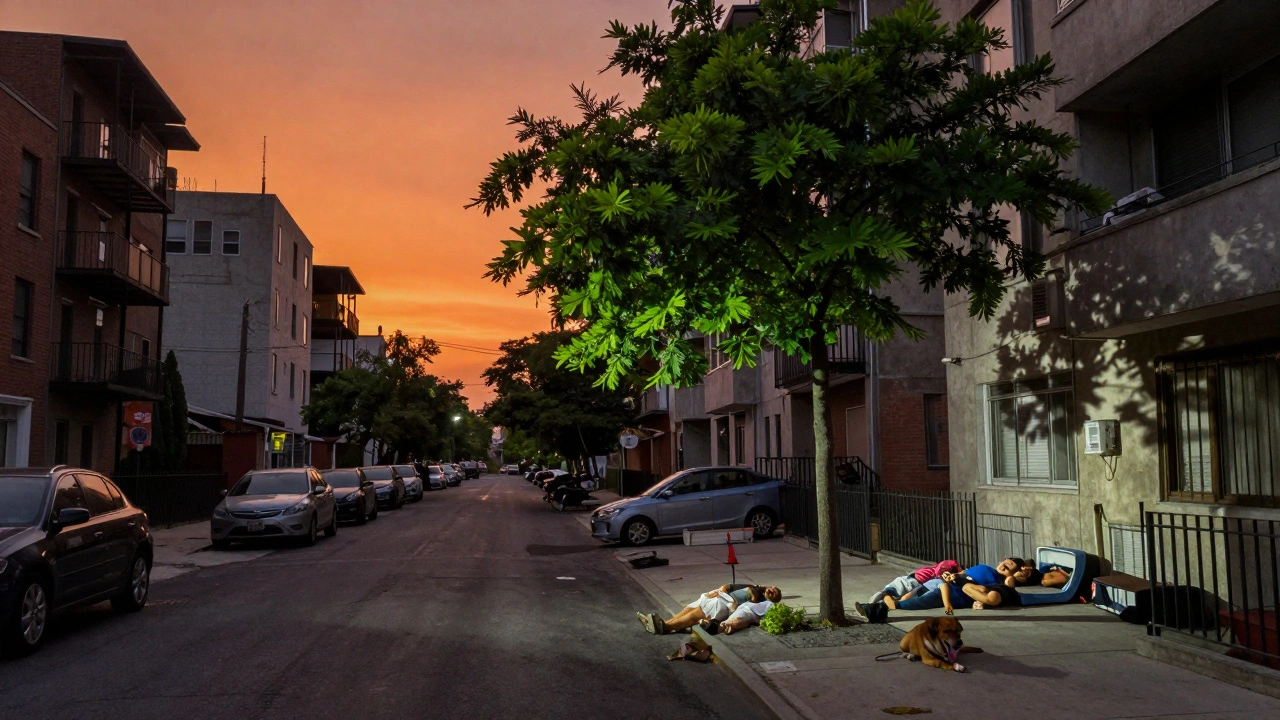
When temperatures spike, heat resilience, the ability of a community to withstand, adapt to, and recover from extreme heat events. Also known as thermal adaptation, it’s not optional anymore—it’s the difference between life and death for millions. It’s not just about turning up the AC. It’s about who has access to shade, clean water, and cooling centers. It’s about whether your neighborhood has trees or concrete, whether your elderly neighbor can afford the bill, and whether local governments have plans that actually work when the grid fails.
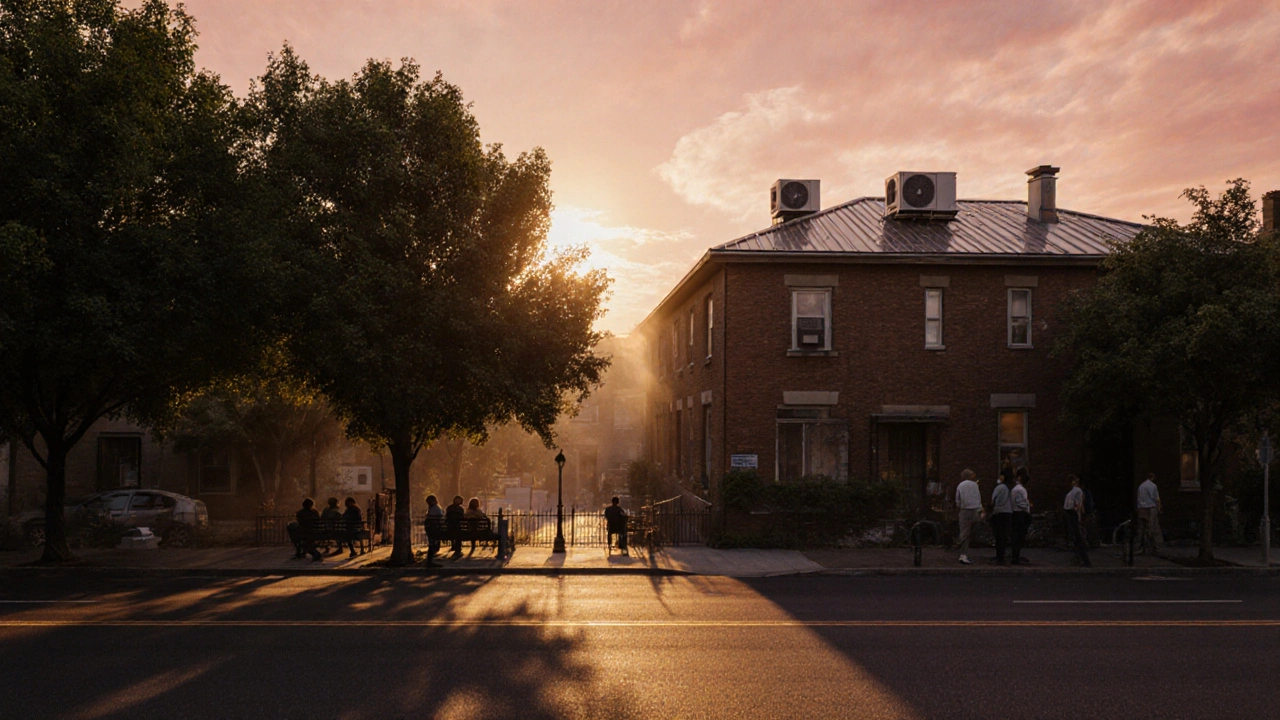
Real urban heat islands, areas in cities that absorb and retain far more heat than surrounding rural zones due to asphalt, buildings, and lack of vegetation aren’t accidents—they’re design choices. Cities like Phoenix and Madrid are now planting street trees at scale, painting roofs white, and turning parking lots into cool parks. Meanwhile, public health, the system that tracks, prevents, and responds to heat-related illness and death is finally catching up. In places like Los Angeles, emergency alerts now trigger door-to-door checks for seniors. In India, cities are using AI to predict which neighborhoods will overheat first. These aren’t futuristic ideas—they’re happening now, driven by data and desperation.
And it’s not just cities. Rural communities in the American South and parts of Europe are seeing farmworkers collapse in fields because there’s no shade or water breaks. Schools in Texas and Greece are delaying start times. Hospitals are adding heat response teams. All of this ties back to one thing: infrastructure resilience, the capacity of buildings, power grids, transportation, and water systems to keep functioning under extreme heat stress. When power goes out in a heatwave, it’s not just an inconvenience—it’s a killer. That’s why places like Singapore are building cooling into subway stations and hospitals are installing backup microgrids.
What you’ll find in the posts below isn’t theory. It’s real-world action. From how Turkey is adjusting its defense planning to account for heat-stressed troops, to how European cities are rewriting zoning laws to force green roofs, to how public health systems are tracking heat deaths in real time—this isn’t about future threats. It’s about what’s already breaking, and how people are fixing it. No fluff. No guesses. Just what’s working, where, and why.