LEO Stations: How Low Earth Orbit Satellites Are Changing Global Connectivity
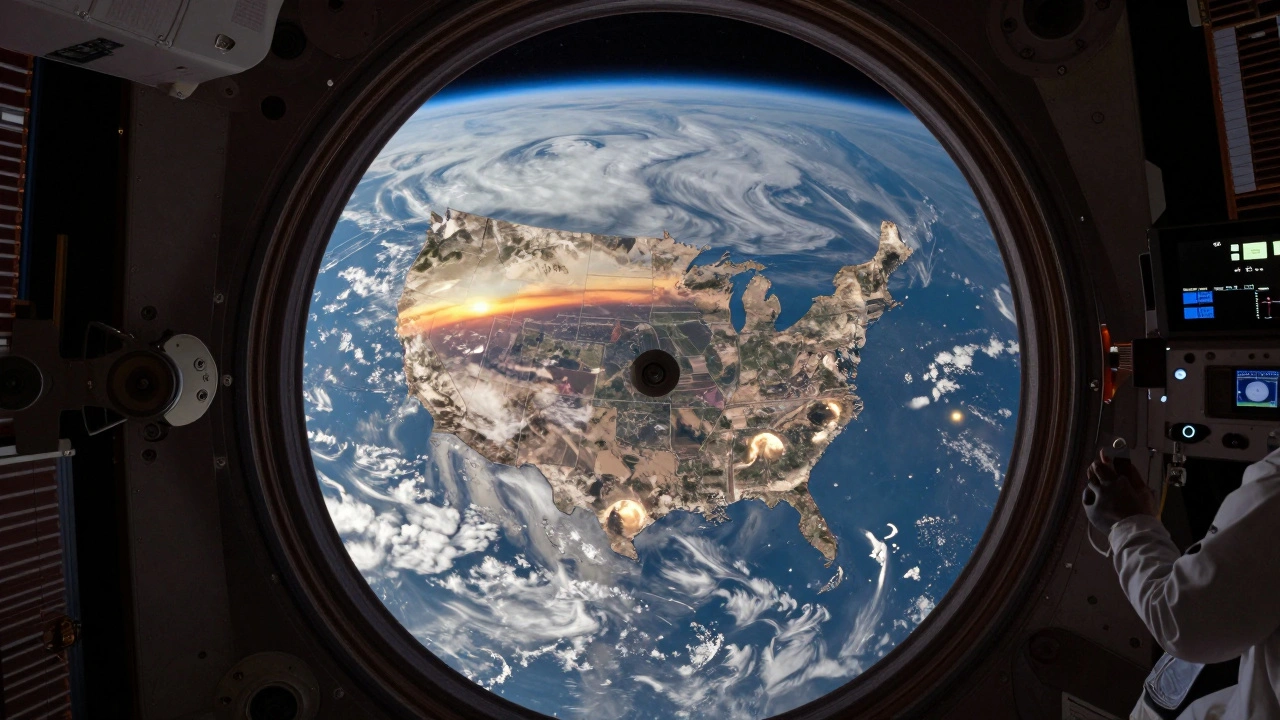
When we talk about LEO stations, satellites orbiting Earth at altitudes between 160 and 2,000 kilometers, designed for low latency and high-speed data transmission. Also known as low Earth orbit satellite networks, they're the backbone of today’s fastest internet services, from Starlink to OneWeb, and they’re changing how the world stays connected. Unlike old geostationary satellites that hover 36,000 kilometers up, LEO stations are close enough to send data in under 50 milliseconds—faster than most land-based fiber networks. That’s why they’re not just for tech companies anymore; they’re critical for rural schools, emergency responders, and even remote research stations in Antarctica.
These systems rely on space infrastructure, the network of launch systems, ground stations, and satellite constellations that keep LEO stations running. Every LEO station needs a clear path to Earth, which means thousands of them must fly in precise patterns to avoid collisions. Companies are now launching dozens of satellites per month, and governments are scrambling to regulate this new frontier. The EU, U.S., and China are all investing heavily—not just for internet access, but for national security, climate monitoring, and military surveillance. And it’s not just about bandwidth. LEO stations now track wildfires, monitor crop health, and even help predict storms with real-time data that used to take days to collect.
The real shift? global connectivity, the ability to deliver reliable internet and communication services to every corner of the planet, regardless of geography or income is no longer a dream. In places where laying cables is impossible or too expensive—like islands in the Pacific or villages in the Andes—LEO stations are the only option. They’re also reshaping how companies think about supply chains, remote work, and disaster response. A farmer in Kenya can now check market prices in real time. A ship in the Arctic can stream video without satellite phone delays. And when a hurricane hits, first responders get live feeds before ground networks go down.
What you’ll find in this collection are real stories from the front lines of this revolution. From how AI is managing thousands of satellites in orbit, to how policy gaps are creating risks for space traffic, to how companies are using LEO data to cut R&D time in half. These aren’t speculative ideas—they’re happening now, in real time, changing how the world works.