Model Access: What It Means for AI, Workforce, and Digital Innovation
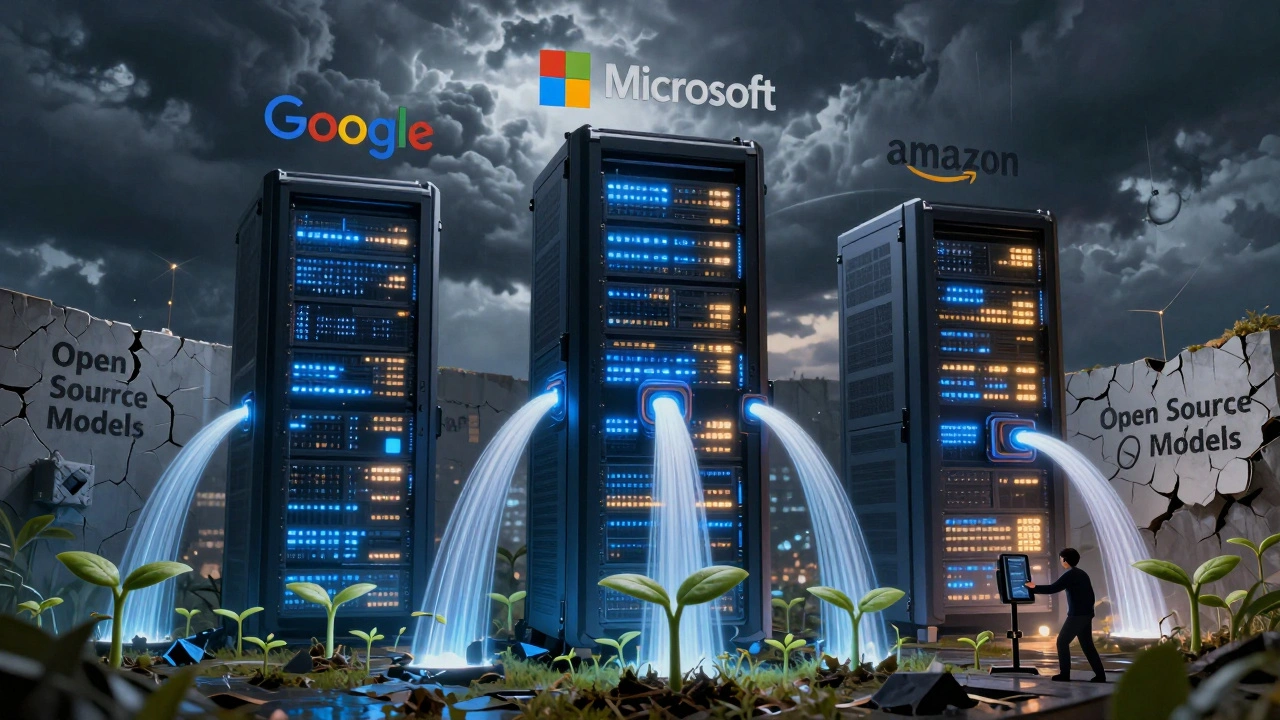
When we talk about model access, the ability to use, adapt, and deploy AI systems—whether open-source, proprietary, or cloud-based. Also known as AI model availability, it determines who builds the future and who just watches it happen. It’s not just a tech detail. It’s a power shift. If you can’t access the right models, you can’t compete in AI-driven industries, whether you’re a startup in Nairobi, a teacher in rural Ohio, or a city planner in Berlin.
Model access ties directly to AI governance, the rules and safeguards that control how AI models are used, monitored, and held accountable. Without clear governance, access becomes uneven—big corporations lock down powerful models behind paywalls, while smaller players get stuck with outdated or limited versions. That’s why frameworks like the EU AI Act and NIST’s AI Risk Management Framework matter. They don’t just set safety rules—they decide who gets to play. And when model access is restricted, it slows down everything from drug discovery to public service automation.
It also connects to AI talent, the people who train, fine-tune, and deploy these models. You can have the best model in the world, but if your team doesn’t know how to use it—or can’t even get access to it—you’re not innovating. That’s why companies are building global talent pipelines, hiring engineers from Eastern Europe, Latin America, and India, not because they’re cheaper, but because they’re the ones who can actually work with the tools. Meanwhile, education systems are falling behind. Teacher shortages and underfunded schools mean fewer people are learning how to interact with AI systems at all.
And then there’s the hidden layer: algorithmic systems, the automated processes that decide what content you see, who gets hired, or which patients get prioritized in healthcare. These systems run on models. If access to those models is limited to a few tech giants, then those systems become biased, opaque, and unchallengeable. That’s not just a technical problem—it’s a democracy issue.
What you’ll find in this collection isn’t a list of tools. It’s a map of who controls the future. You’ll see how AI is reshaping R&D, how policy shapes who gets access to cutting-edge models, how nations are racing to build their own AI ecosystems, and why access isn’t just about downloading software—it’s about power, equity, and survival in a world where machines make decisions.