Model Monitoring: How AI Systems Are Tracked for Safety, Accuracy, and Fairness
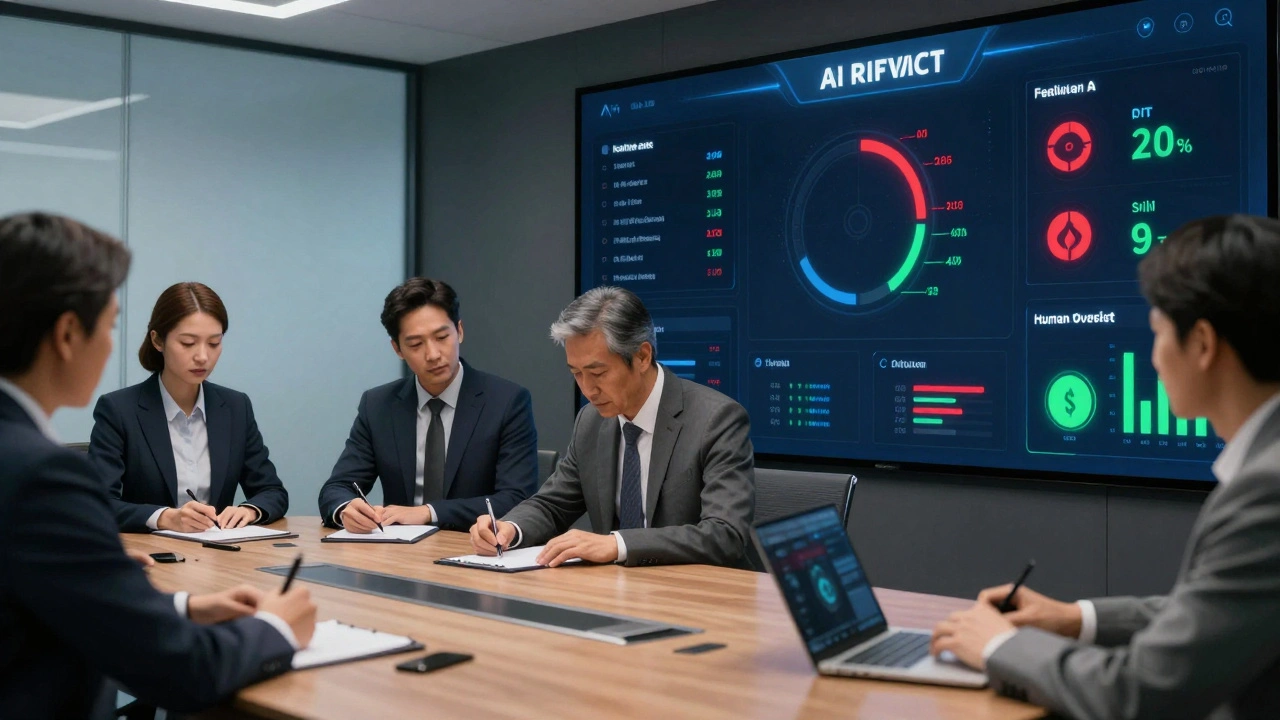
When you hear about AI making decisions in banks, hospitals, or government offices, you might wonder: model monitoring, the ongoing process of tracking how AI systems perform after deployment to detect drift, bias, or failure. Also known as AI observability, it’s not about building smarter models—it’s about making sure they don’t go off the rails once they’re live. Most companies stop at training their AI and assume it’ll work forever. But real-world data changes. Customers behave differently. New fraud patterns emerge. Without model monitoring, even the best AI can start giving wrong answers, making unfair calls, or crashing silently—like a self-driving car that no longer recognizes snow.
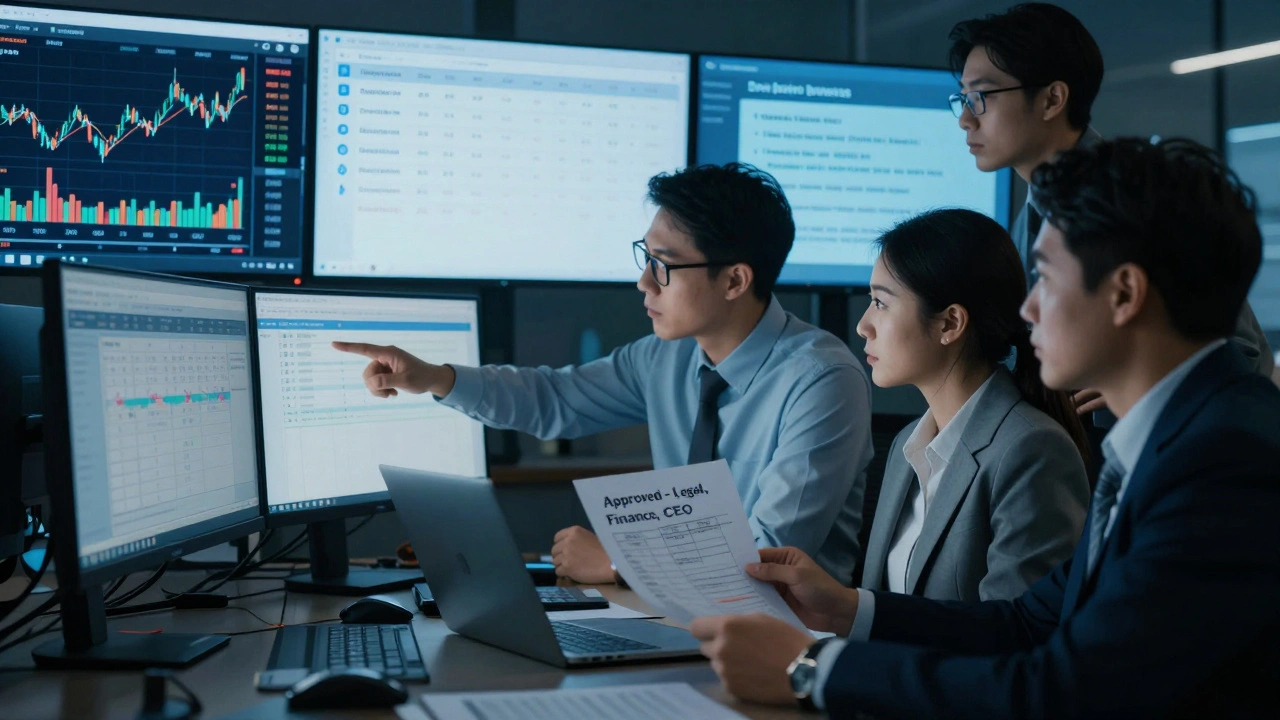
This is where model risk, the potential for financial, legal, or reputational harm caused by flawed AI systems becomes a real problem. In finance, algorithmic trading, automated systems that execute trades based on AI-driven signals can trigger flash crashes if their logic degrades unnoticed. The 2020 stock market volatility exposed how many hedge funds had no live monitoring—just backtested models running on autopilot. Meanwhile, in public services, AI used to screen welfare applicants or assign school placements can amplify bias if its training data grows outdated. That’s why places like Estonia and Singapore now require AI ethics, a set of practices ensuring AI systems are transparent, fair, and accountable in real-time use to include continuous monitoring as a legal requirement.
Model monitoring isn’t just about alerts. It’s about understanding why things change. Is the drop in loan approval accuracy due to new economic conditions? Or is the model just broken? Top teams track data drift, prediction stability, feature importance shifts, and even user feedback loops. They don’t wait for complaints—they watch for subtle signs of decay before users notice. This is how companies avoid regulatory fines, protect their brand, and keep AI trustworthy.
What you’ll find below are real cases where model monitoring made the difference—between a financial system that held up and one that collapsed, between a public service that served everyone fairly and one that failed the most vulnerable. These aren’t theoretical debates. They’re operational realities happening right now, in banks, governments, and tech firms around the world. You’ll see how teams are building checks into their AI lifecycles—not as an afterthought, but as the core of responsible innovation.