Multipolarity: How Global Power Shifts Are Reshaping Trade, Finance, and Security
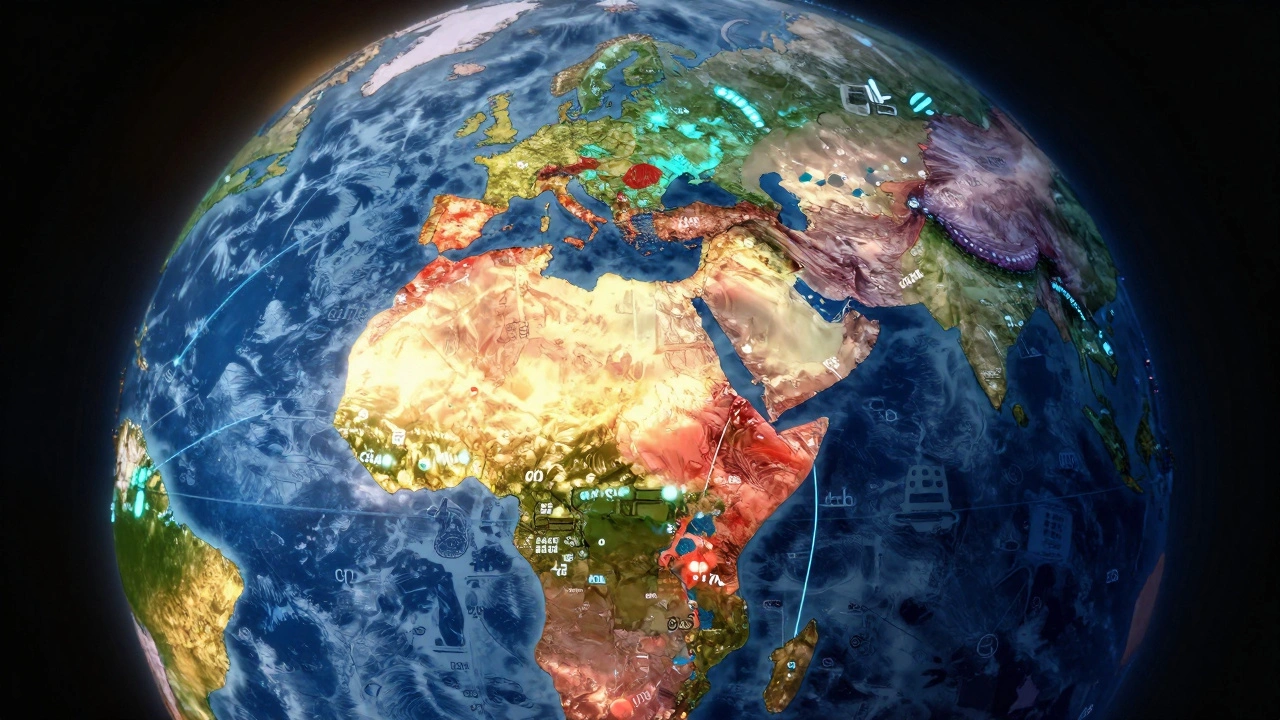
When we talk about multipolarity, a global system where power is distributed among several major nations rather than dominated by one or two. Also known as multi-polar world order, it’s not just a buzzword—it’s the new reality shaping everything from who you buy gas from to how your pension fund invests. The old days of the U.S. or the West calling the shots alone are over. Today, China, India, Brazil, Turkey, and others are building their own networks—trade deals, payment systems, energy pipelines—that don’t need Washington or Brussels to approve them.
This shift is forcing countries to pick sides, not just politically, but economically. geoeconomic fragmentation, the splitting of global markets into rival blocs based on political loyalty rather than efficiency is now the norm. Tariffs aren’t just taxes anymore—they’re weapons. Friend-shoring isn’t about cost savings—it’s about control. And trade blocs, groups of nations forming exclusive economic alliances to bypass Western-dominated systems are popping up everywhere: BRICS+, the Shanghai Cooperation Organization, African Continental Free Trade Area. These aren’t just clubs—they’re alternatives to the IMF, the dollar, and the SWIFT system.
It’s not just about trade. multilateral climate finance, funding from global institutions meant to help poor nations adapt to climate change is now caught in the middle. Who gets the money? Who decides? The Green Climate Fund used to answer to Western donors. Now, China and Gulf states are funding their own climate projects in Africa and Asia—with fewer strings attached. Meanwhile, monetary sovereignty, a nation’s ability to control its own currency and financial system without external interference is becoming a top priority. Countries are ditching the dollar for local currencies in cross-border deals. Central bank digital currencies like China’s e-CNY aren’t just tech upgrades—they’re tools to escape U.S. financial pressure.
What does this mean for you? If you’re in business, your supply chain is no longer just about cost—it’s about risk. If you’re an investor, your ESG portfolio can’t ignore geopolitical loyalty. If you’re a policymaker, your energy security now depends on who you’re aligned with, not just how much oil you have. The posts below show exactly how this plays out: how tariffs are breaking old trade rules, how climate funds are being restructured to bypass Western control, how digital money is becoming a new battlefield, and how countries like Turkey and the Baltics are navigating this new world without becoming pawns. You won’t find theory here—you’ll find real examples of nations, companies, and communities adapting to a world where no single power holds all the cards.