Nearshoring: How Companies Are Moving Production Closer to Home
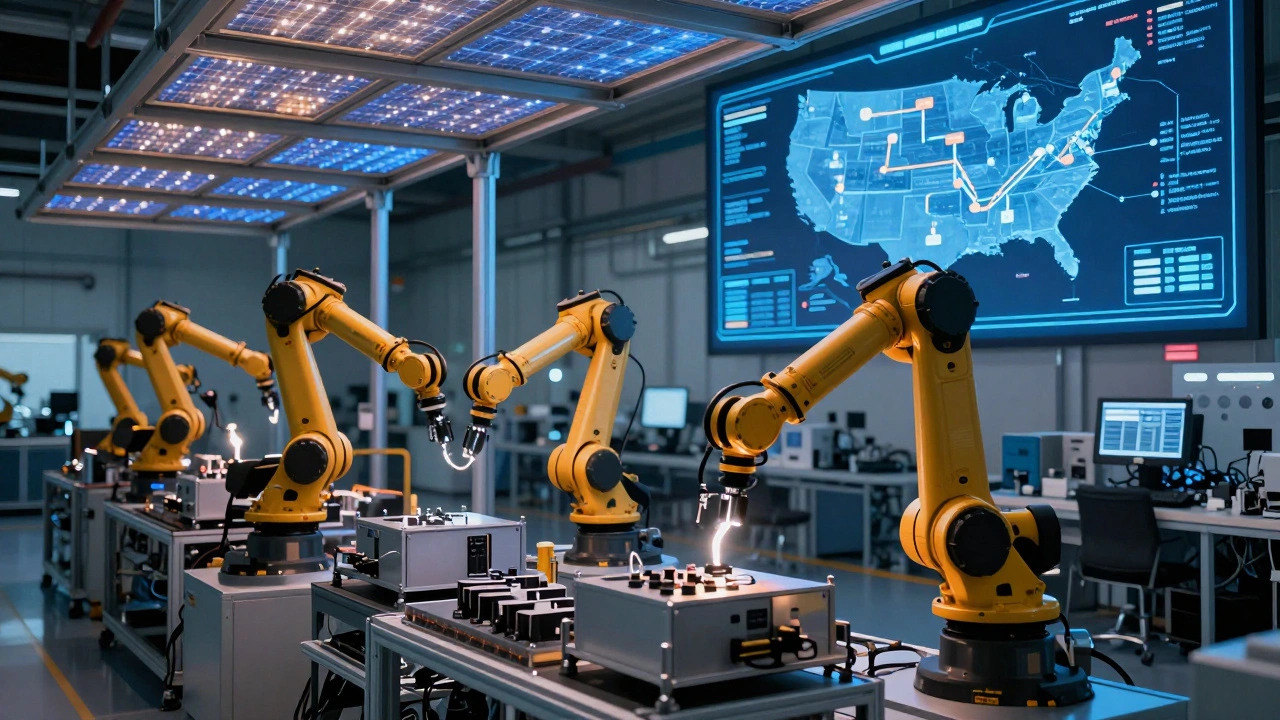
When companies shift manufacturing or services from far-off countries to nearby ones, they’re doing nearshoring, the practice of relocating production closer to the end market to reduce supply chain risks and improve response times. Also known as friendshoring, it’s not just about saving money—it’s about staying in control when global chaos hits. Think of it like swapping a 30-day shipping route across the Pacific for a 3-day drive across the border. That’s the kind of speed and reliability businesses are chasing now.
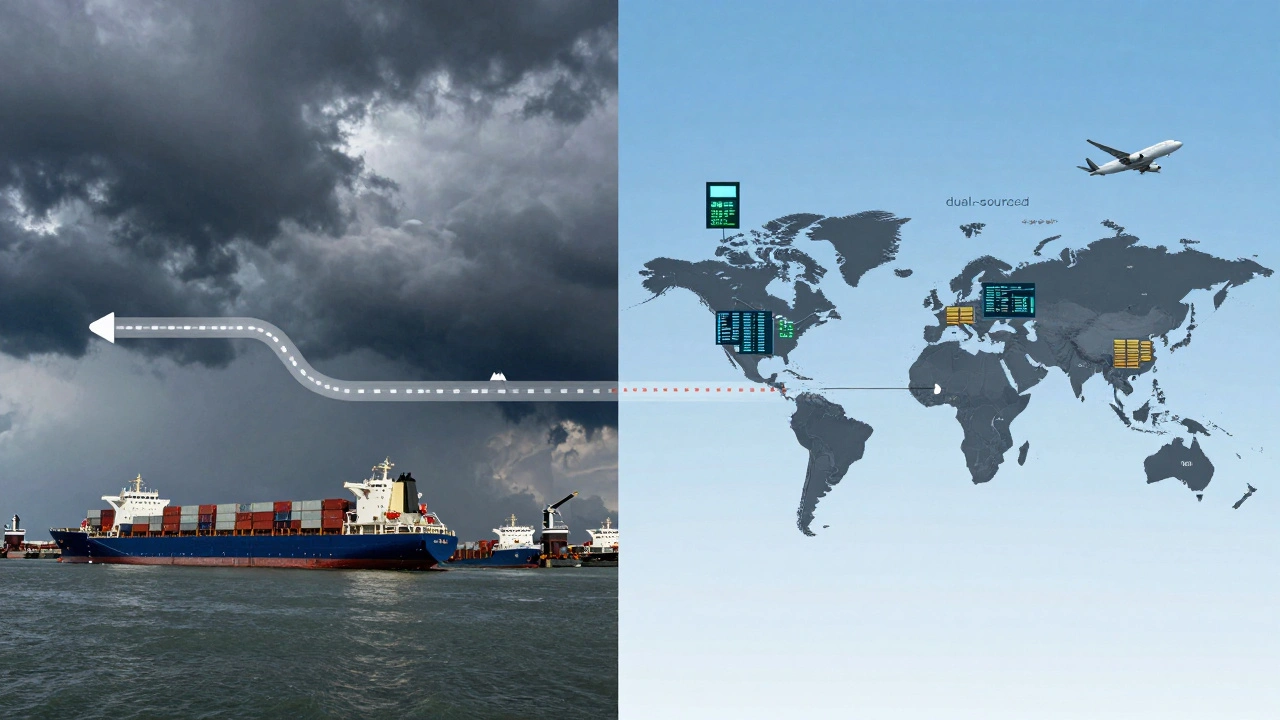
Nearshoring doesn’t happen in a vacuum. It’s tied to supply chain resilience, the ability of a company to keep operating through disruptions like pandemics, wars, or port shutdowns. After the pandemic exposed how fragile global logistics were, companies started asking: Why ship electronics from China to the U.S. when Mexico can do it faster, cheaper, and with fewer customs headaches? The same logic applies to Eastern Europe replacing Asia for European brands. And it’s not just factories—customer service centers, software teams, and even R&D labs are moving closer too. This shift is also linked to trade fragmentation, the breakup of global supply chains into regional networks as nations prioritize security over efficiency. We’re seeing fewer global giants and more regional clusters, each with their own rules, suppliers, and risks.
It’s not all smooth sailing. Nearshoring costs more upfront than offshoring to low-wage countries. But it cuts hidden costs: inventory overstock, delayed shipments, political instability, and currency swings. Companies like Ford, Apple, and even small manufacturers are now building factories in Poland, Romania, or Mexico because they can’t afford to wait weeks for parts. And it’s not just about geography—it’s about skills. Countries investing in worker training, digital infrastructure, and stable legal systems are winning these relocations. The result? Less dependence on China, more jobs in border regions, and supply chains that can actually survive the next crisis.
What you’ll find below are real stories from companies making this shift, policies shaping where production moves, and the hidden challenges no one talks about. From labor shortages in Eastern Europe to U.S. tax incentives for reshoring, these articles break down what nearshoring really looks like on the ground—not in a boardroom slide.