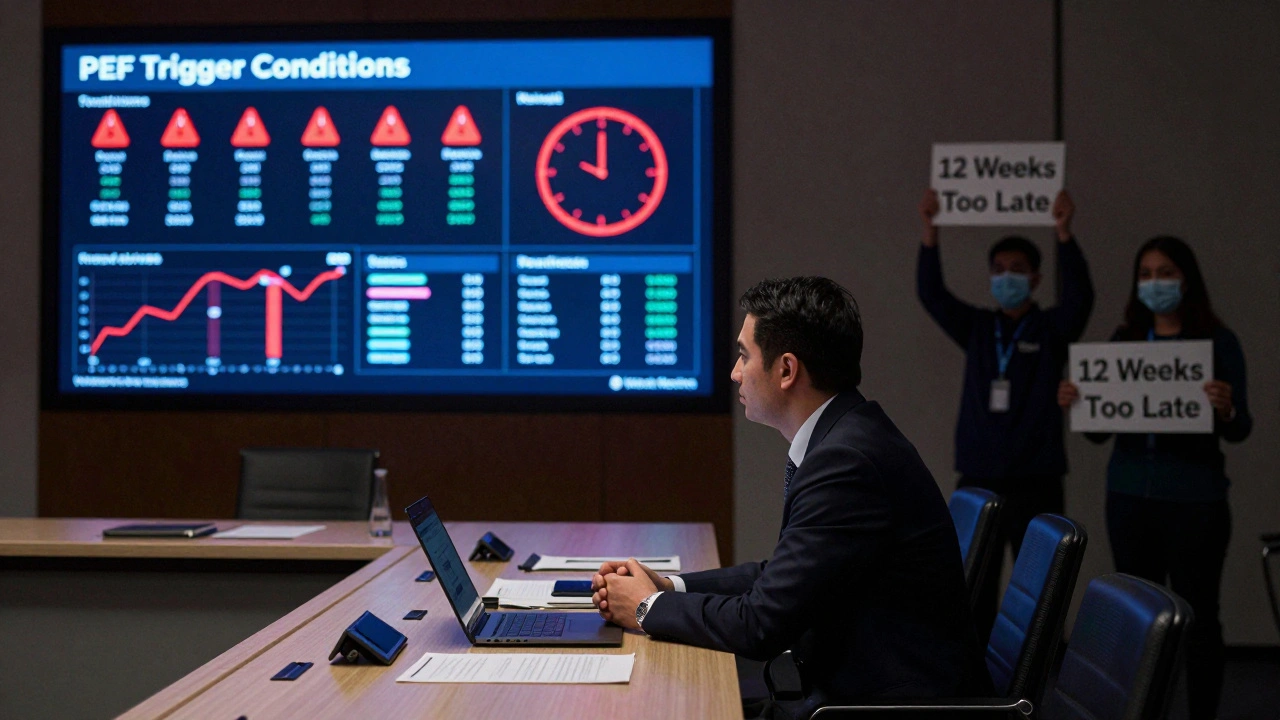
Outbreak Financing: How Global Health Crises Are Funded and Who Pays
When a new virus spreads, outbreak financing, the money systems that pay for emergency health responses like vaccines, testing, and field hospitals. Also known as pandemic funding, it’s the invisible infrastructure that decides who lives and who doesn’t when the next crisis hits. Most of the time, it doesn’t kick in until it’s too late. Countries scramble for cash, donors make promises they forget, and low-income regions wait months while the virus spreads. This isn’t about luck—it’s about who controls the purse strings.
Outbreak financing isn’t just about emergency cash. It’s tied to global health security, the network of policies, labs, and supply chains designed to prevent and respond to disease threats. But right now, that network is patchy. Wealthy nations fund their own labs and stockpile vaccines, while others rely on donations that arrive after the peak. The vaccine equity, the fair distribution of vaccines and medical tools across countries, regardless of income movement tried to fix this, but funding gaps still leave entire continents behind. The same pattern shows up in climate finance too—money flows to the loudest voices, not the hardest hit.
What’s missing? Predictable funding. No one waits for a fire to start before buying a hose. Yet we still wait for outbreaks to explode before we fund the response. The multilateral climate finance, funds like the Green Climate Fund that pool money from many countries to support vulnerable regions model shows it’s possible: money is pooled, rules are clear, and disbursements are tied to need, not politics. Why not apply that to health?
The posts below show how this system is changing—or failing to change. You’ll see how the Loss and Damage Fund is being structured to help poor nations survive climate shocks, and how vaccine manufacturing hubs in Africa are trying to break dependency on the Global North. You’ll read about AI tracking outbreaks faster than ever, and why financial stability rules are ignoring the next pandemic risk. There’s no magic fix, but there are real examples of what works: local control, pre-agreed funding, and putting money where the need is, not where the headlines are.