Pandemic Bonds: How Emergency Debt Instruments Shaped Global Finance During Crisis
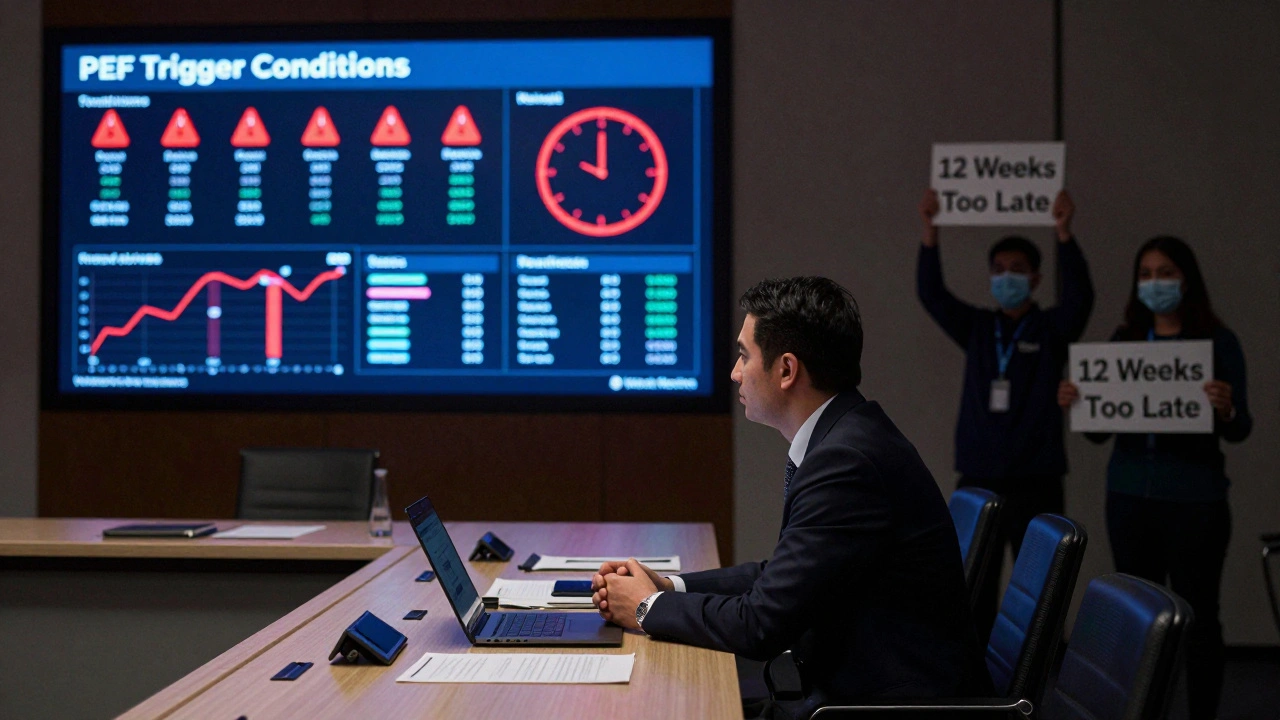
When the world shut down in 2020, governments didn’t wait for tax revenue to cover emergency health costs. Instead, they turned to pandemic bonds, specialized debt instruments issued to raise fast funding for public health emergencies. Also known as catastrophe bonds, these weren’t your typical government bonds—they were designed to unlock cash within weeks, not months, to buy ventilators, fund testing, and support frontline workers. The World Bank, the IMF, and countries like Italy and Japan issued them, often with conditions tied to how quickly money was spent. Unlike regular bonds, pandemic bonds sometimes had triggers—like a certain number of deaths or cases—that could delay payments, a design flaw that drew criticism when funds arrived too late for the hardest-hit regions.
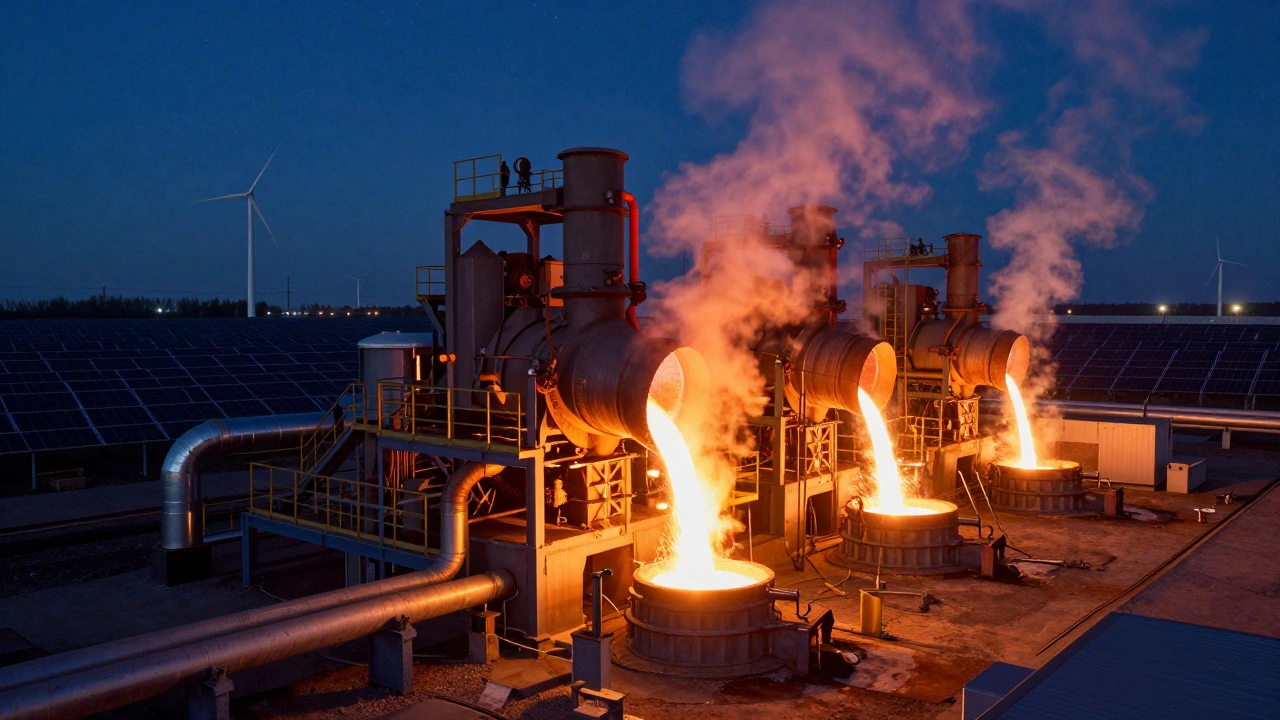
These bonds didn’t just fund hospitals. They revealed how fragile global finance had become. As sovereign debt, the total amount of money a country owes to external and internal lenders ballooned, investors started asking: if a virus could trigger a $10 trillion bond surge, what about the next climate disaster? That’s why many of the same institutions that issued pandemic bonds are now designing climate-aligned bonds, debt tools that fund projects reducing emissions or building resilience to extreme weather. The structure is similar—fast issuance, clear use of funds—but the stakes are higher. Climate change won’t pause for a vaccine rollout.
What’s clear now is that pandemic bonds weren’t a one-off experiment. They were a blueprint. Countries with strong institutions used them to avoid deeper recessions. Others struggled with transparency, high interest rates, or delayed disbursements. The lesson? Emergency financing needs to be as simple as a 911 call—not a bureaucratic maze. And it needs to be ready before the next crisis hits, not after.
Below, you’ll find real analysis on how these debt tools influenced global markets, what went wrong, and how the same mechanisms are now being repurposed for climate resilience, health equity, and even rural infrastructure. No fluff. Just what worked, what didn’t, and what’s coming next.