Regional Powers: How Global Influence Is Shaped by Trade, Tech, and Security
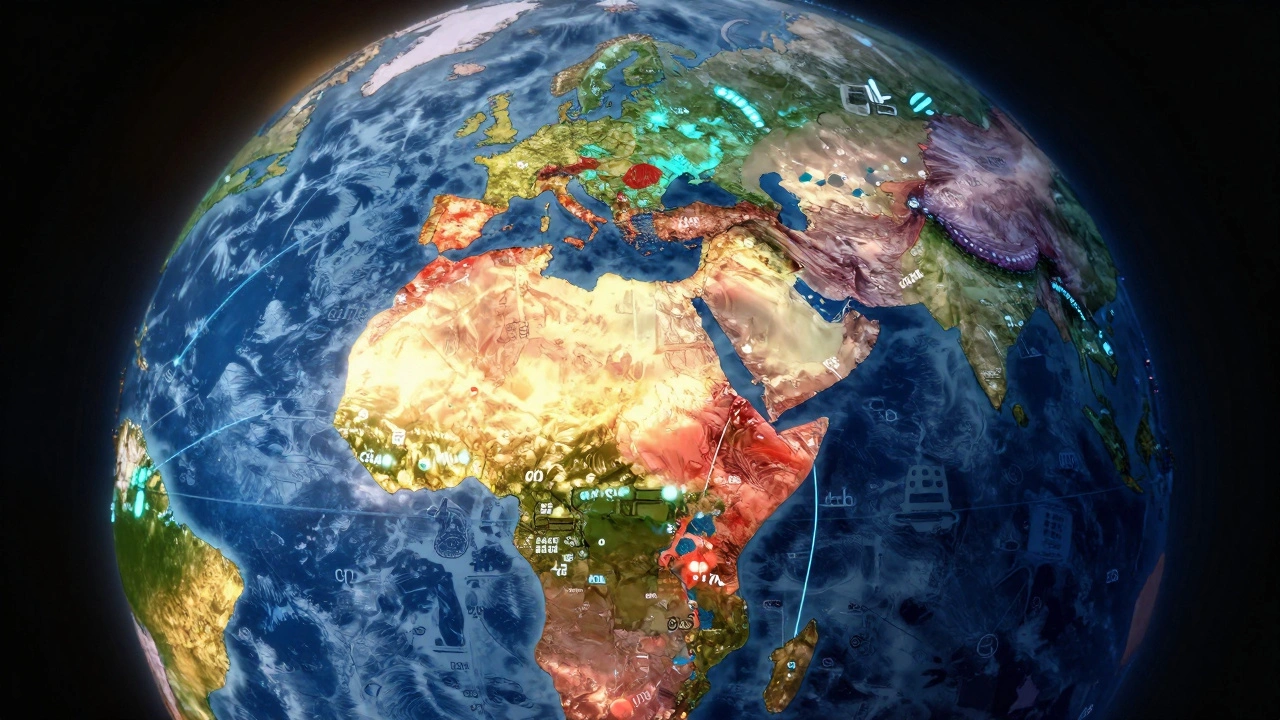
When we talk about regional powers, nations that exert significant influence beyond their borders through economic, military, or technological leverage. Also known as middle powers, these countries don’t always lead the world—but they often decide how it works in their part of it. Think Turkey balancing NATO demands with ties to Russia and China. Or Israel turning its small size into a global tech hub through deep-tech startups. These aren’t just players in the game—they’re rewriting the rules.
What makes a regional power today isn’t just territory or population. It’s control over geoeconomic fragmentation, the splitting of global trade into competing blocs driven by tariffs, export bans, and political loyalty. Look at Europe’s push for energy security, the ability to power homes and industries without relying on hostile suppliers after cutting Russian gas by 80%. Or how the Baltic States are fighting population loss with digital citizenship and rural work hubs. These are strategic moves, not just policy tweaks.
And it’s not just about money or weapons. multilateral climate finance, funding systems like the Green Climate Fund and Loss and Damage Fund that help vulnerable nations adapt is now a tool of influence. Countries that control these funds shape who gets help—and who gets left behind. Meanwhile, AI governance, vaccine manufacturing hubs, and CBDCs are turning tech into soft power. China’s e-CNY, Europe’s digital euro, and Israel’s cybersecurity exports aren’t just innovations—they’re bids for regional dominance.
These forces don’t play out in boardrooms alone. They show up in how a teacher in rural America gets paid, how a factory in Poland sources its parts, or how a family in Bangladesh survives a flood. Regional powers are the hidden architects of daily life—whether you notice it or not.
Below, you’ll find real stories of how these powers are acting: from Turkey’s high-stakes diplomacy to how climate finance is being rebuilt after past failures. No fluff. Just the strategies, shifts, and stakes that are changing the world—one region at a time.