Regional Vaccine Hubs: How Local Networks Are Shaping Global Health Resilience
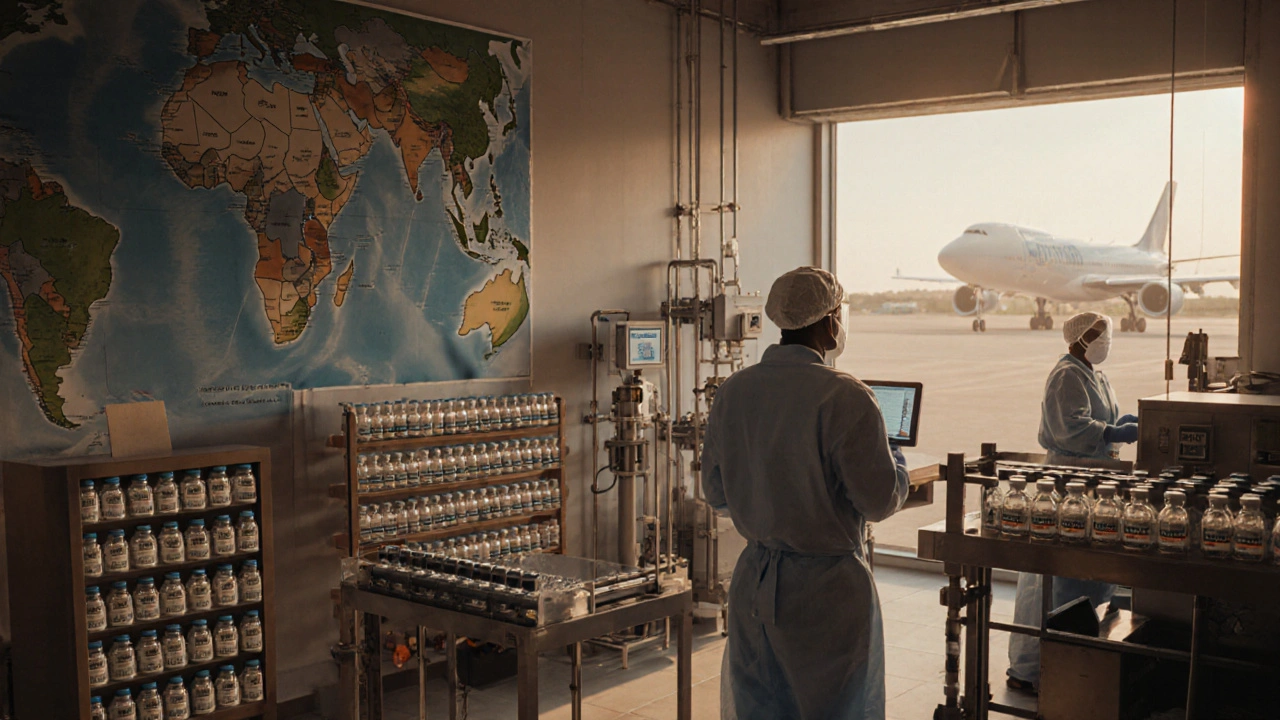
When a new threat emerges, regional vaccine hubs, localized centers that coordinate vaccine storage, distribution, and administration across a geographic area. These hubs aren’t just warehouses—they’re the nervous system of modern public health, connecting clinics, pharmacies, mobile units, and community leaders to get shots into arms before a crisis spirals. They became essential during COVID-19, but their role goes far beyond pandemics. From flu season to polio outbreaks, these hubs ensure vaccines don’t sit in cold storage while people wait. They’re built to move fast, adapt to local needs, and cut through bureaucracy.
What makes them work? It’s not just refrigerated trucks or digital scheduling. It’s public health infrastructure, the physical, digital, and human systems that support disease prevention and response. This includes trained staff who know the community, data systems that track doses in real time, and partnerships with local organizations—churches, schools, even barbershops—that people trust. Without this, even the best vaccine plan fails. And when those systems are weak, the gap shows up fastest in low-income neighborhoods, rural towns, and places with language barriers. That’s why health equity, the fair distribution of health resources so everyone has the same chance to stay healthy. It’s not an add-on—it’s the foundation. A hub in Detroit works differently than one in rural Montana, and both need different tools than a hub in Lagos or Manila. The best hubs don’t copy-paste models—they listen, learn, and adjust.
These hubs also rely on pandemic preparedness, the ongoing work to anticipate, plan for, and respond to health emergencies before they hit. It’s not about panic—it’s about practice. Countries that tested their systems during Ebola or H1N1 had a head start in 2020. They already had supply chains mapped, staff trained, and community trust built. Now, with climate change pushing disease patterns into new regions and antimicrobial resistance rising, these hubs are becoming the frontline defense—not just for vaccines, but for monitoring, testing, and rapid response. You won’t see headlines about them unless something goes wrong. But when they work, lives are saved quietly, efficiently, and equitably.
Below, you’ll find real-world examples of how these hubs are being built, stretched, and improved across different regions. Some focus on cold chain logistics. Others tackle misinformation. A few are reimagining how to reach undocumented communities or aging populations. No single solution fits everywhere—but the lessons from each one are shaping the next generation of health security.