Robotics: How Automation Is Changing Work, War, and Everyday Life
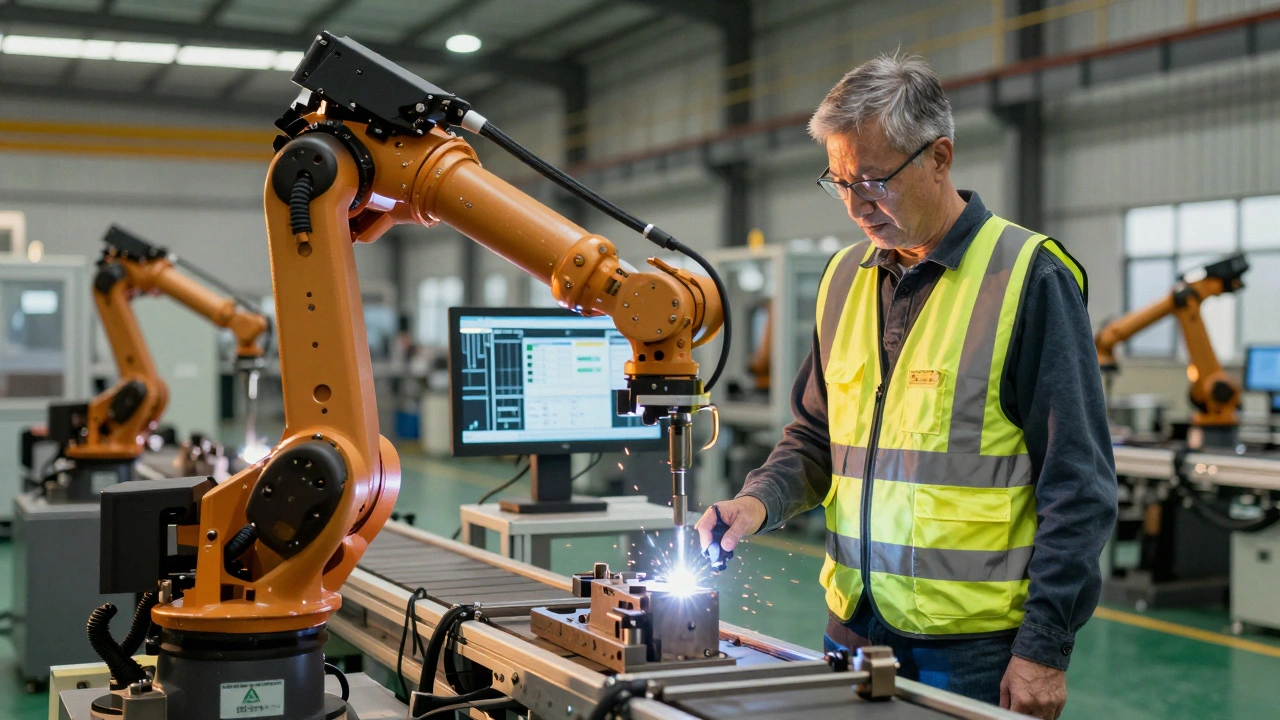
When we talk about robotics, the design and use of machines that can perform tasks autonomously or with minimal human input. Also known as automated systems, it's no longer just about factory arms and sci-fi bots—it's about how machines are rewriting how we work, fight, and live. From warehouses where robots pick and pack orders faster than humans, to surgical bots that assist doctors with millimeter precision, robotics is embedded in systems we rarely notice—but rely on every day.
What makes today’s robotics different is how deeply it’s tied to AI governance, the rules and oversight systems that ensure artificial intelligence is used safely and ethically. You can’t have smart robots without smart rules. That’s why frameworks like the EU AI Act and NIST’s AI Risk Management Framework are now shaping how robots are built and deployed. These aren’t just legal documents—they’re safety nets. A robot in a hospital that misreads a patient’s data, or one in a warehouse that ignores a worker’s presence, isn’t a glitch—it’s a failure of governance. And these failures are already happening, quietly, in places where oversight is weak.
Robotics also connects to automation, the broader process of using technology to reduce or eliminate human labor. But automation isn’t just about replacing jobs—it’s about shifting them. In logistics, robotics handles the heavy lifting, while humans manage exceptions, troubleshoot errors, and oversee fleets of machines. In finance, algorithmic trading bots move billions in seconds, but they’re also creating new risks—like flash crashes triggered by runaway code. That’s why posts on algorithmic amplification and AI in finance, the use of artificial intelligence to automate trading, risk assessment, and customer service in banking matter. They show how robotics doesn’t exist in a vacuum. It’s part of a larger web of systems that influence markets, public trust, and even democracy.
And it’s not just in the West. Countries investing heavily in robotics—from China’s smart factories to Israel’s defense drones—are reshaping global power. The same tech that delivers vaccines faster or cleans hospital rooms also patrols borders and monitors populations. There’s no neutral robotics. Every machine carries the values of its creators and the rules of its regulators. What you see in the news isn’t just progress—it’s a power play.
Below, you’ll find real stories from the front lines: how robotics is changing supply chains, influencing military strategy, and forcing governments to catch up with laws they didn’t write. These aren’t predictions. They’re happening now.