Rural Immigration: How People Are Moving Out of Cities and Rebuilding Country Communities
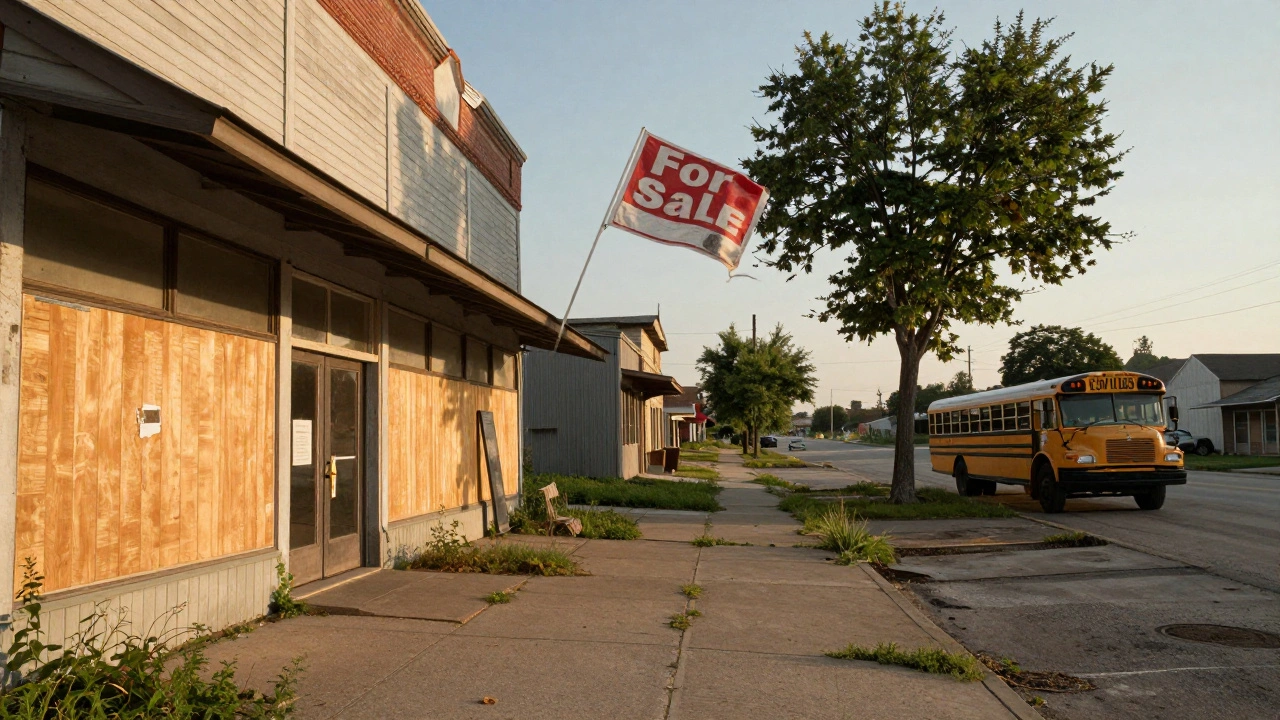
When we talk about rural immigration, the movement of people from urban centers to smaller towns and countryside areas. Also known as reverse migration, it’s not just about escaping high rent—it’s about rebuilding communities that have been hollowed out for decades. This isn’t a flash in the pan. In places like Vermont, Romania, and parts of Japan, towns are offering free land, cash incentives, and fast internet just to get people to move in. The pandemic didn’t start this trend, but it made it impossible to ignore.
What drives rural revitalization, efforts to bring life back to declining rural areas through investment, housing, and job creation? It’s often a mix of remote work, lower costs, and a desire for space and safety. People aren’t just trading city noise for quiet—they’re bringing digital skills, small businesses, and new energy. A former software engineer in Maine now runs a co-working space out of a restored barn. A nurse from Chicago moved to a town in Ohio and opened a clinic that serves three counties. These aren’t outliers. They’re the new normal.
But demographic shift, the long-term change in population distribution across regions isn’t just about who’s moving in. It’s about who’s left behind. Many rural areas still struggle with aging populations, underfunded schools, and poor healthcare access. The people arriving now are often younger, tech-savvy, and willing to fight for change—but they can’t do it alone. Successful places are pairing new residents with local leaders, fixing broadband, and rethinking zoning laws to allow tiny homes and mixed-use buildings. It’s not about turning every village into a tech hub. It’s about making them livable again.
And then there’s the migration patterns, the predictable ways populations move over time, shaped by economics, policy, and culture. We used to think migration meant moving from rural to urban. Now, the data shows a clear flip in many countries. In the U.S., rural counties gained population for the first time in decades between 2020 and 2023. In Europe, countries like Portugal and Spain are actively recruiting remote workers to settle in abandoned villages. Even in places like Canada and Australia, the government is funding relocation grants to balance regional growth.
What you’ll find in the posts below isn’t just stories about people moving. It’s about the systems changing around them: how local governments are adapting, how infrastructure is catching up, and how communities are learning to welcome newcomers without losing their identity. Some of these changes are working. Others are falling apart. No one has all the answers yet—but the experiment is happening, right now, in towns you’ve never heard of.