Rural Revitalization: How Communities Are Rebuilding Economies and Reclaiming Futures
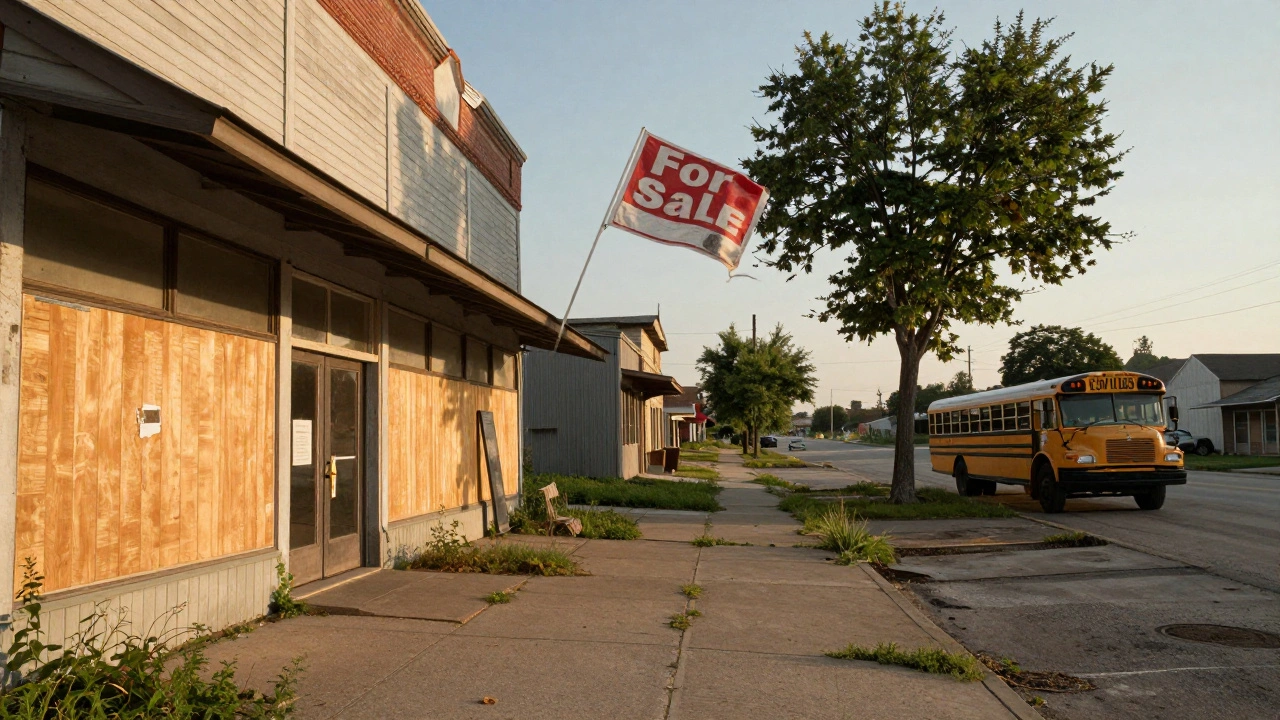
When we talk about rural revitalization, the intentional effort to restore economic vitality, infrastructure, and social cohesion in declining rural areas. Also known as rural renewal, it’s not about nostalgia—it’s about survival. Millions of people still live in places where the nearest hospital is 40 miles away, broadband is a luxury, and young people leave because there’s nothing left to stay for. But in places from the American Midwest to the Baltic countryside, communities are flipping the script—not by waiting for outside saviors, but by building solutions from the ground up.
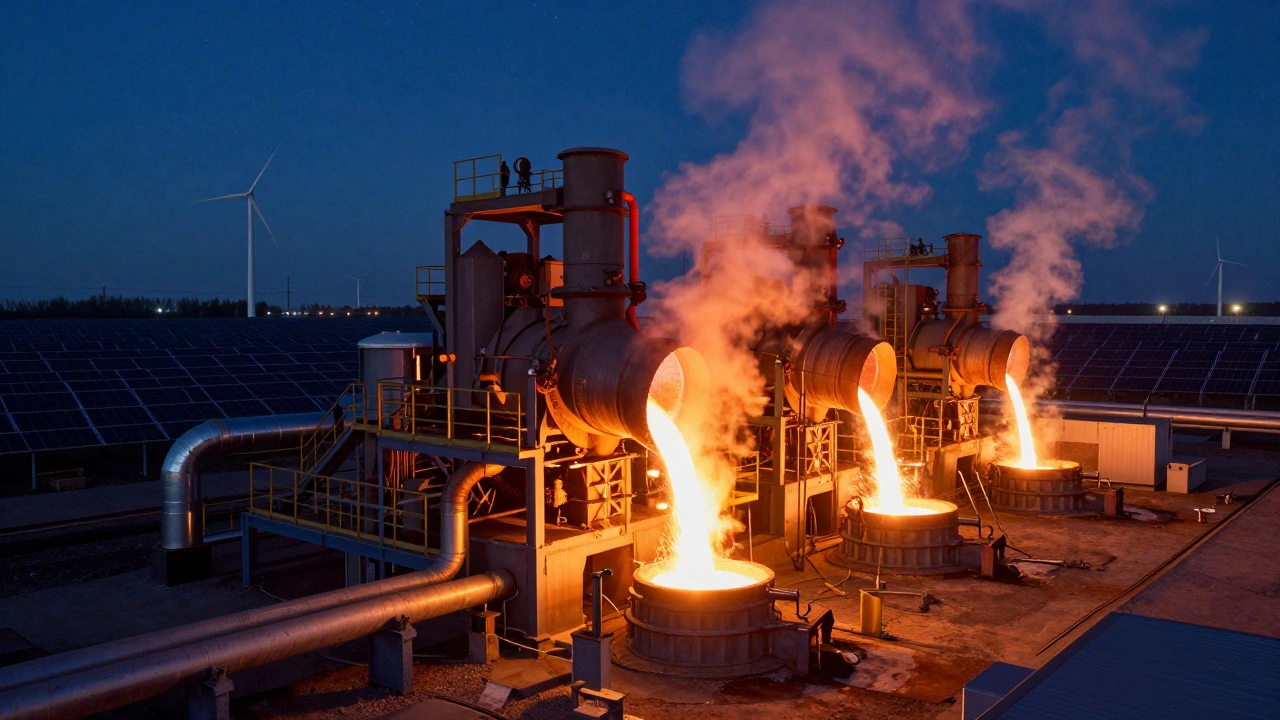
economic resilience, the ability of a region to recover from shocks, adapt to change, and sustain livelihoods over time. Also known as local economic strength, it’s what happens when a town turns an abandoned factory into a tech co-op, or when farmers start selling directly to city consumers via digital platforms. This isn’t theoretical. In Estonia, villages with digital citizenship programs and remote work hubs have seen population losses slow—some even reversed. In the U.S., places like Iowa and West Virginia are using community solar and microgrids to cut energy costs and attract remote workers. These aren’t handouts—they’re reinventions. And they’re working because they’re led by locals who know what their towns need. This kind of change doesn’t happen without rural infrastructure, the physical and digital systems that enable daily life—roads, internet, water, healthcare access, and energy networks. Also known as essential rural services, it’s the invisible backbone that makes everything else possible. Without reliable internet, remote jobs vanish. Without clean water and dependable roads, businesses won’t invest. Without clinics and schools, families leave. The best rural revitalization projects don’t just fix broken pipes—they redesign the whole system to be faster, cheaper, and more inclusive.
And it’s not just about money. community development, the process of empowering local residents to identify needs, mobilize resources, and lead change. Also known as grassroots planning, it’s the quiet magic behind every successful rural comeback. It’s the woman who starts a childcare co-op so other women can return to work. The retired teacher who trains teens in digital skills. The town council that turns a closed post office into a multi-use hub with a library, a clinic, and a Wi-Fi lounge. These aren’t grand federal programs. They’re small, stubborn acts of belief—and they add up. Meanwhile, demographic shift, the long-term change in population size, age structure, or migration patterns in a region. Also known as population decline, it’s the silent crisis driving much of this work. Since 2000, the Baltics lost 1.5 million people. Rural America is aging fast. But instead of accepting decline as inevitable, these communities are asking: What if we design for the people who are still here?
What you’ll find in this collection isn’t a list of feel-good stories. It’s a toolkit. Real examples of how places are using digital tools, energy innovation, policy shifts, and local leadership to turn stagnation into momentum. You’ll see how rural revitalization connects to global trends—from AI in public services to green finance and cross-border talent mobility. Because the future of rural areas isn’t isolated. It’s tied to the future of work, climate resilience, and who gets to shape the rules. If you’ve ever wondered if a small town can still have a future—this is proof that it can.