Trade Blocs: How Economic Alliances Shape Global Power and Markets
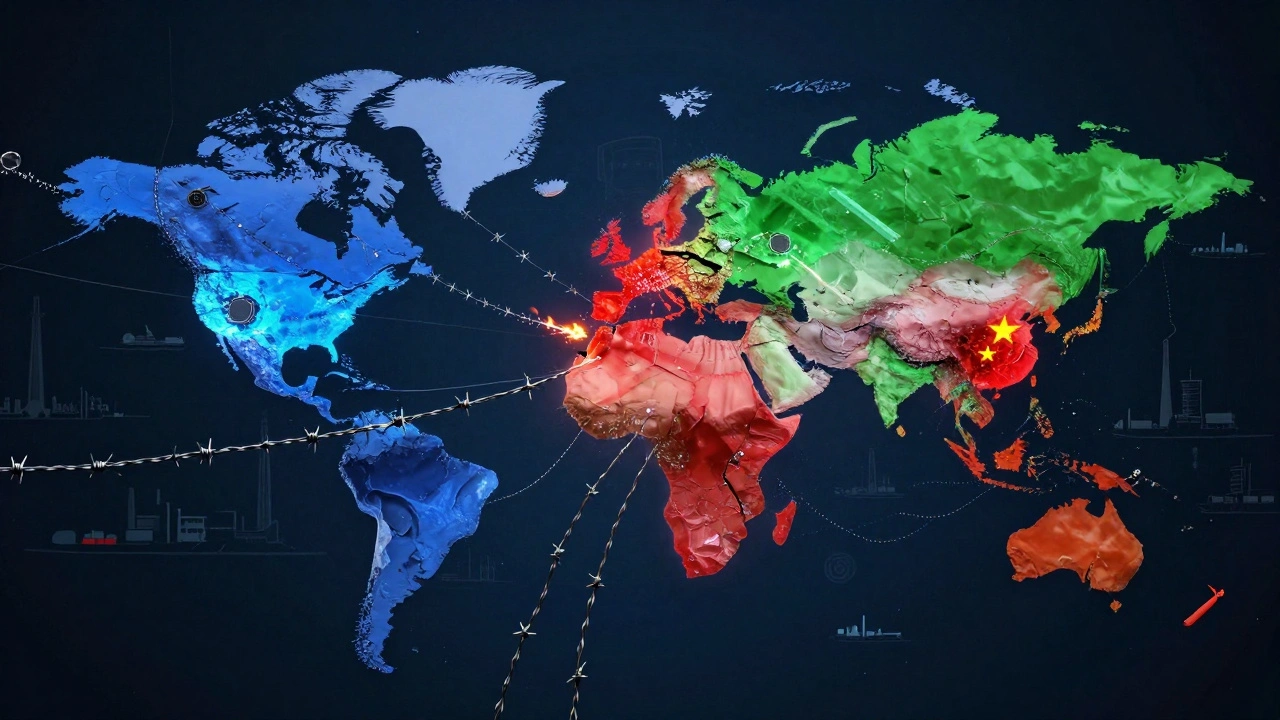
When countries form a trade bloc, a formal agreement among nations to reduce or eliminate trade barriers among themselves. Also known as regional trade agreements, these groups don’t just make importing goods cheaper—they rewrite the rules of global power. Think of them as economic teams: members play by shared rules, while outsiders face higher costs, stricter rules, or even exclusion. The EU, USMCA, and RCEP aren’t just trade deals—they’re strategic moves that shift where companies build factories, where supply chains stretch, and which nations gain leverage over others.
These blocs don’t operate in a vacuum. They’re deeply tied to global supply chains, the interconnected network of production, logistics, and distribution that moves goods across borders. When the EU tightens rules on carbon-heavy imports, or ASEAN lowers tariffs on electronics, factories don’t just adjust—they relocate. Companies now choose locations based on bloc membership, not just labor costs. A plant in Mexico isn’t just near the U.S. market—it’s inside USMCA. A factory in Vietnam isn’t just cheap—it’s part of RCEP, with access to 15 markets under one set of rules. This reshapes everything: who gets jobs, where innovation flows, and even how nations negotiate on climate or tech standards.
And then there’s trade policy, the set of laws, tariffs, and negotiations that govern how countries interact economically. It’s no longer just about lowering tariffs. Modern trade policy is about data flows, labor standards, environmental rules, and even digital services. The U.S. and EU are pushing for rules on AI and data privacy in their agreements. China’s blocs include tech transfer demands. These aren’t side issues—they’re core to who wins in the next decade. When a country joins a bloc, it doesn’t just open its borders—it gives up some control over its own rules.
What you’ll find below isn’t just news about trade deals. It’s a look at how these blocs are changing the real world: from how Europe rebuilt its energy grid after cutting Russian gas, to how AI governance in one bloc affects global tech companies, to why climate finance is now tied to trade alliances. These aren’t abstract theories. They’re the invisible structures shaping your prices, your job market, and your country’s place in the world. Below, you’ll see the concrete ways trade blocs influence innovation, finance, security, and even who gets left behind.