Ukraine War Energy Impact: How Conflict Reshaped Global Power, Prices, and Policy
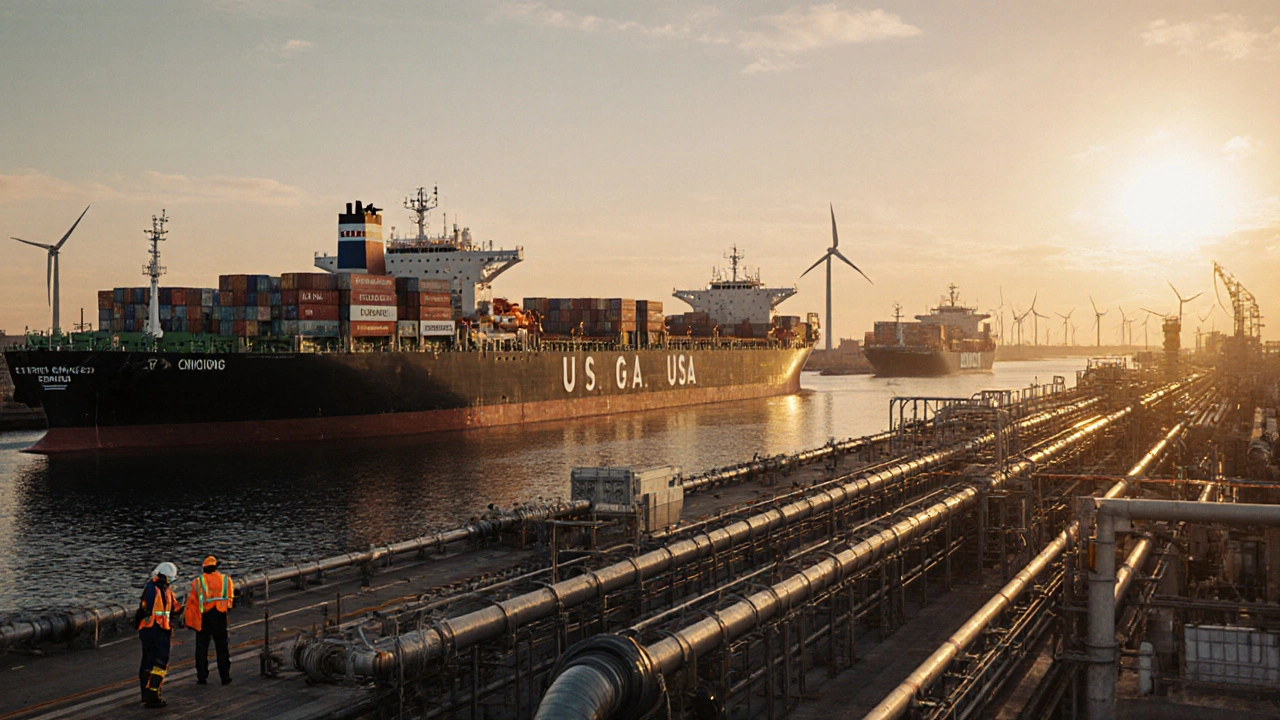
When Russia invaded Ukraine, it didn’t just trigger a humanitarian crisis—it shattered the global energy security, the ability of nations to reliably access affordable and stable energy supplies. Also known as energy resilience, it’s no longer just about filling tanks or heating homes. It’s about who controls the flow, who pays the price, and who gets left behind. Before 2022, Europe relied on Russia for nearly 40% of its natural gas. Now, that pipeline is mostly shut. The war forced countries to scramble—buying liquefied natural gas from the U.S., racing to build terminals, and scrambling to replace Russian coal and oil. The result? A global energy system that’s more fractured, more expensive, and more politically charged than ever.
This isn’t just about fuel. It’s about power. The global energy markets, the interconnected network of producers, traders, and consumers that determine where energy flows and at what cost have been upended. Prices spiked, then stabilized—but not because the risk disappeared. They stabilized because countries spent trillions on alternatives: wind farms in Poland, LNG terminals in Spain, nuclear deals in the Czech Republic. Meanwhile, Russia lost its biggest customer but found new buyers in India and China, selling oil at deep discounts. The old map of energy trade is gone. A new one is being drawn in real time, with sanctions, shipping routes, and financial tools like price caps as the new borders.
And then there’s the energy transition, the shift from fossil fuels to cleaner sources like wind, solar, and nuclear. Also known as decarbonization, it was already underway—but the war turned it into a national security priority. Countries that once moved slowly on renewables now treat them like weapons. Germany fast-tracked solar. Japan restarted nuclear plants. The U.S. passed the Inflation Reduction Act not just to cut emissions, but to outpace China in clean tech. The war didn’t slow the green shift—it turbocharged it. But it also exposed the gaps: not every country can afford the upgrade. Some are still burning coal because they have no other choice.
What you’ll find in this collection isn’t just news—it’s a map of how war rewired the world’s energy arteries. You’ll see how sanctions on Russian energy changed trade flows overnight, how Europe rebuilt its grid from scratch, how countries with little oil or gas are now investing in hydrogen and batteries just to stay independent. You’ll read about the real cost of energy inflation, how it hit families in Bulgaria and factories in Turkey, and how some nations turned crisis into opportunity by becoming new energy hubs. This isn’t theory. It’s what’s happening now—and what’s coming next.