Vulnerable Populations: Who They Are and Why They Need Better Systems
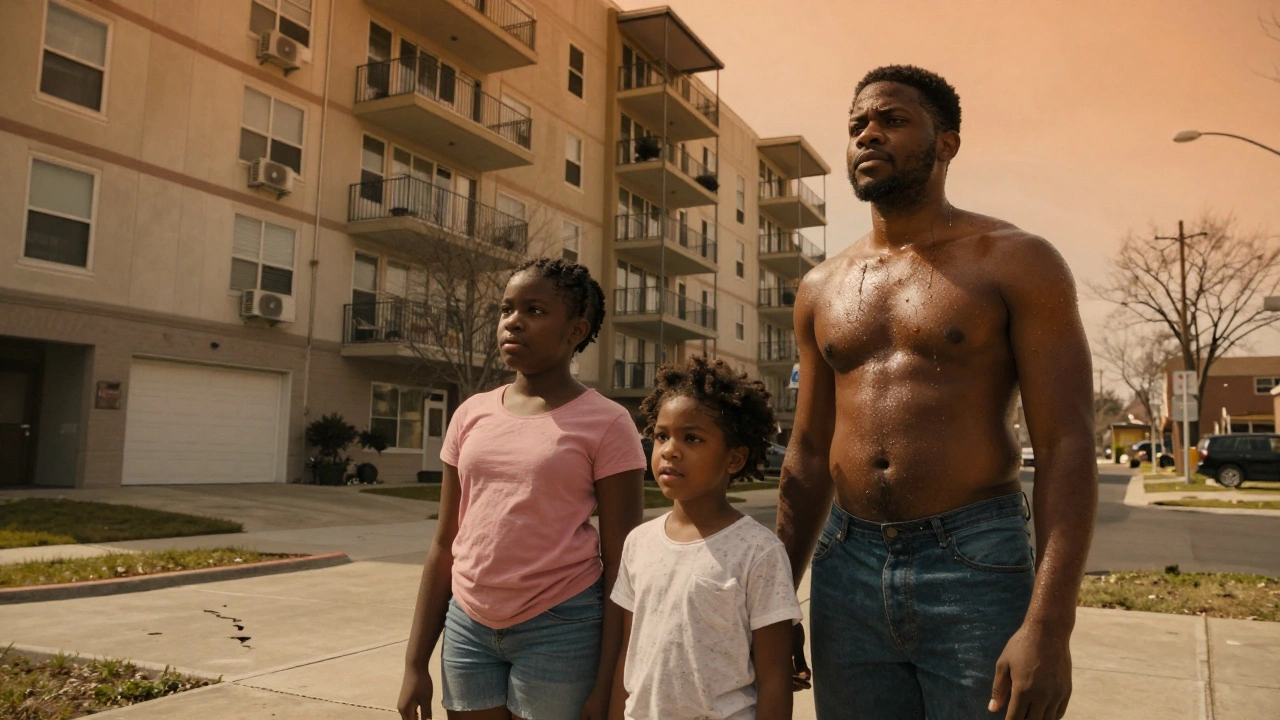
When we talk about vulnerable populations, groups of people at higher risk of harm due to systemic inequalities, lack of access, or exposure to crisis. Also known as at-risk communities, these are not abstract categories—they’re real people living in neighborhoods without clean water, in towns losing their last clinic, or in cities where heat waves kill faster because there’s no shade or air conditioning. This isn’t about charity. It’s about broken infrastructure, policy gaps, and systems that ignore who gets left behind when things go wrong.
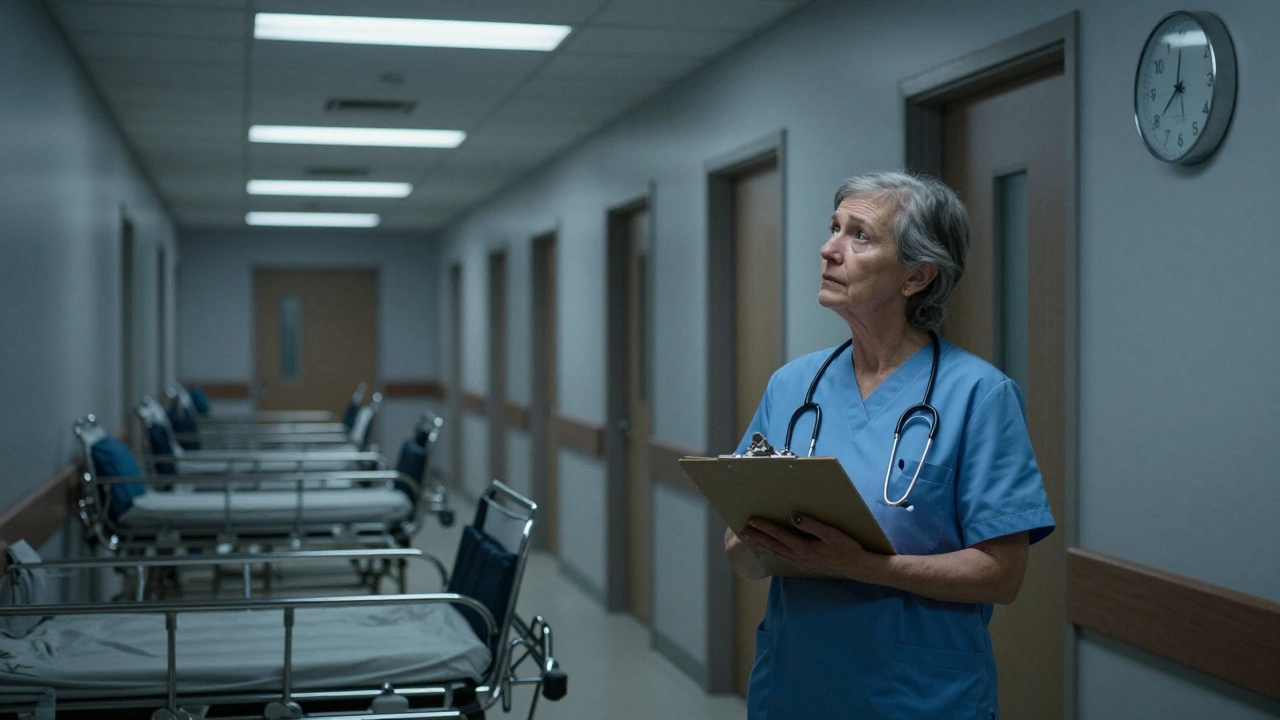
Look at the data: humanitarian access, the ability to deliver aid safely to people in conflict or disaster zones still fails in places like Gaza or Sudan because corridors aren’t protected and negotiators lack authority. Meanwhile, health equity, the fair distribution of medical resources regardless of income, race, or location is nowhere to be found in many rural towns where the nearest hospital is two hours away—and even then, it’s understaffed. And it’s not just about emergencies. economic resilience, a community’s ability to recover from shocks like job loss, climate disasters, or supply chain collapse is missing in places where people can’t afford to miss a day of work, even when the power’s out or the roads are flooded.
These problems don’t happen in isolation. When vulnerable populations lose access to vaccines because manufacturing is stuck in just a few countries, it’s not just a health issue—it’s a global security risk. When cities don’t plant trees in low-income areas, the heat kills more people there than in wealthier neighborhoods. When remote workers move into dying towns but housing stays unaffordable, the original residents get pushed out. The solutions aren’t fancy tech or big donations. They’re simple: fair wages, reliable childcare, local energy grids, and policies that listen to the people on the ground.
What you’ll find below are real stories from places where systems are being fixed—not just talked about. From rural towns bringing back young workers with affordable housing, to communities building microgrids so they don’t go dark during storms, to regions setting up vaccine hubs so no one has to wait months for a shot. These aren’t outliers. They’re proof that change is possible when you stop treating vulnerable populations as problems to manage—and start treating them as people with solutions to offer.