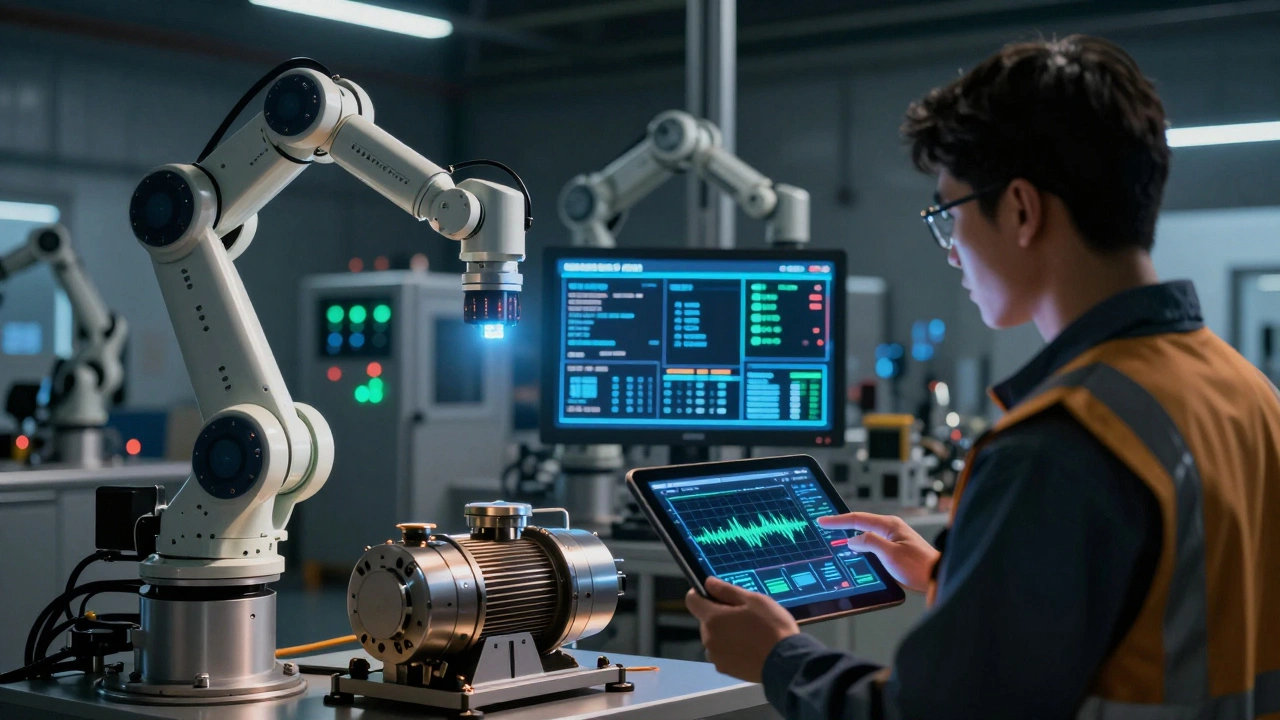
Digital Twin ROI Calculator
Based on McKinsey data, companies using digital twins cut development time by 20-50% and reduce quality issues by 25%. This calculator shows your potential savings:
Your Digital Twin ROI Analysis
Time Saved
Cost Savings
Quality Improvements
This implementation could help you:
• Launch products 4-6 months sooner
• Save $0 annually
• Reduce product failures by up to 25%
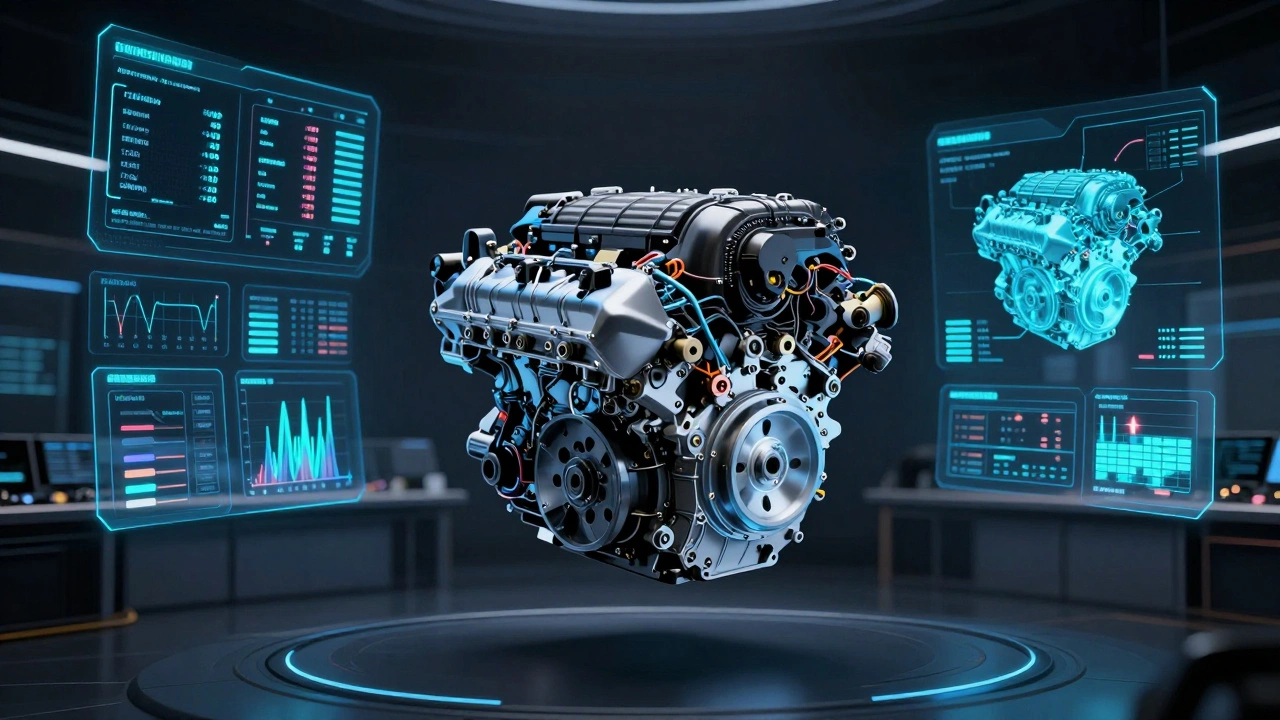
Imagine building a new car engine, testing it under extreme heat, freezing cold, and high altitude-without ever touching a physical part. No costly prototypes. No assembly line delays. No failed tests that set you back months. This isn’t science fiction. It’s what digital twins do today for companies that use them right.
What Exactly Is a Digital Twin?
A digital twin is a live, virtual copy of a physical product, machine, or system. It doesn’t just look like the real thing-it acts like it. Sensors on the actual asset feed real-time data into the digital version, so the twin updates as the physical object changes. If a turbine vibrates more than usual, the digital twin shows the same vibration, predicts why, and even suggests fixes before the turbine breaks down. This isn’t new. NASA used simple simulations to test spacecraft behavior in the 1960s. But the term digital twin was officially defined in 2002 by Dr. Michael Grieves at the University of Michigan. Back then, it was a concept. Today, it’s a business necessity.Why Companies Are Rushing to Adopt Digital Twins
Manufacturers, aerospace firms, and medical device makers aren’t adopting digital twins because they’re trendy. They’re doing it because the numbers don’t lie. According to McKinsey, companies using digital twins cut product development time by 20% to 50%. That means a product that used to take 18 months to launch now hits the market in 12. And it’s not just speed. The same companies report 25% fewer quality issues right out of the gate. Why? Because they’ve tested every possible failure mode in the virtual world first. One consumer electronics company used a digital twin to simulate how heat spread through a new smartphone design. They found hotspots that would’ve caused battery swelling-only after they’d built three physical prototypes. With the twin, they caught it in week two. Saved $1.2 million in rework. Got to market six weeks earlier. It’s not just about saving money. It’s about getting better products to customers faster. Companies that use digital twins see 3% to 5% higher sales because their products work better, last longer, and have features customers actually want-features that were tested and refined in simulation before a single part was made.How Digital Twins Compare to Old-School Prototyping
Before digital twins, product development was a cycle of build-test-break-rebuild. Each prototype cost tens of thousands of dollars. Each test took weeks. And if something failed, you started over. Now, you can run 50 virtual tests in a day. Test a drone in hurricane-force winds. Simulate a heart valve under 100 million beats. Try 17 different materials for a jet engine blade-all without touching metal. Traditional simulation tools were static. You built a model, ran one scenario, and called it done. Digital twins are alive. They keep learning. As the real asset runs in the field, the twin updates. It learns from real-world stress, wear, and usage. That means your next product isn’t just based on lab data-it’s based on what’s actually happening out there.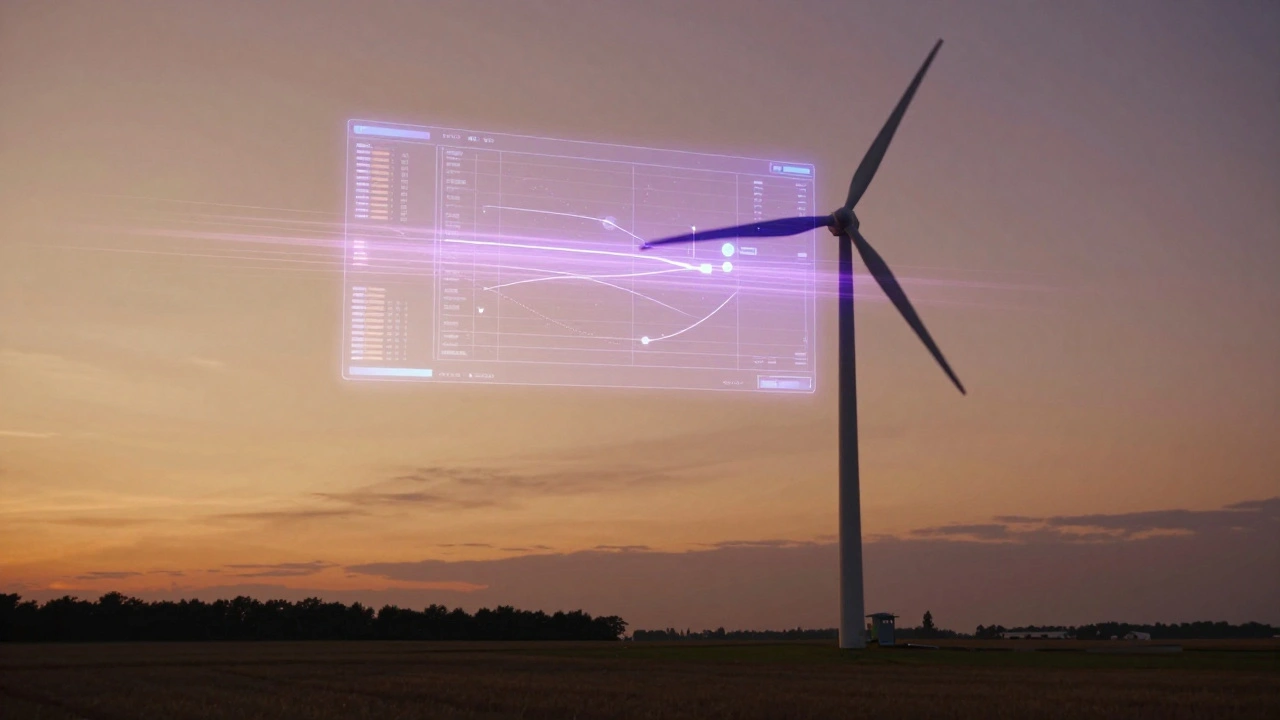
Where Digital Twins Work Best (And Where They Don’t)
Digital twins aren’t magic. They’re most powerful when the product is complex, expensive, or regulated. Aerospace? Perfect. Boeing uses digital twins to simulate how aircraft components hold up under decades of pressure cycles. One engineer on Reddit said they cut fatigue testing time by 30%-because they could run virtual stress tests that would’ve destroyed real parts. Medical devices? Critical. The FDA now requires digital twins for validation. A company making insulin pumps used a twin to simulate how the device behaves under different patient body types, temperatures, and humidity levels. They got regulatory approval 25% faster. Industrial machinery? Yes. Siemens customers report a 40% drop in miscommunication between design, production, and service teams because everyone works from the same live model. But if you’re making a plastic toy? Probably not worth it. The cost to set up a digital twin-$500,000 to $2 million for enterprise systems-doesn’t make sense for low-cost, low-complexity products. You’re better off sticking with traditional prototyping.The Real Roadblocks: Data, Skills, and Silos
The biggest reason digital twin projects fail isn’t technology. It’s people and data. You need clean, real-time data from sensors, machines, and ERP systems. But most factories still use old equipment that doesn’t talk to modern software. One Midwest auto supplier spent 18 months trying to connect 30-year-old CNC machines to their twin platform. They gave up. The project died. Then there’s the skill gap. You don’t just need engineers. You need data scientists who understand mechanical systems. You need people who can build models in Unity or Unreal Engine. You need someone who can bridge the gap between IT and operations. Most companies don’t have that person. They hire for one role, and the rest falls apart. And then there’s organizational silos. Engineering works in one building. Manufacturing in another. Service teams in a third. Each uses different tools. Without executive sponsorship to break those walls down, the digital twin becomes just another isolated dashboard. Gartner found that 42% of early digital twin projects failed to deliver ROI-not because the tech didn’t work, but because no one owned the outcome.How to Start (Without Going Broke)
You don’t need to digitize your entire factory on day one. Start with one high-value asset. Something expensive to fix. Something that breaks often. Something that causes customer complaints. Pick a problem. Say, “Our conveyor belts fail every 90 days, and each downtime costs $15,000.” Build a twin of just that belt. Connect its vibration sensors, motor temps, and load data. Use it to predict failure before it happens. That’s your proof of concept. If it works-predicting failures 48 hours in advance, reducing downtime by 30%-then you’ve got buy-in. Then you add the next asset. And the next. Cloud platforms like Microsoft Azure Digital Twins and Siemens Xcelerator make this easier. You can start with a $5,000/month SaaS plan. No need to buy servers. No need to hire a full IT team upfront.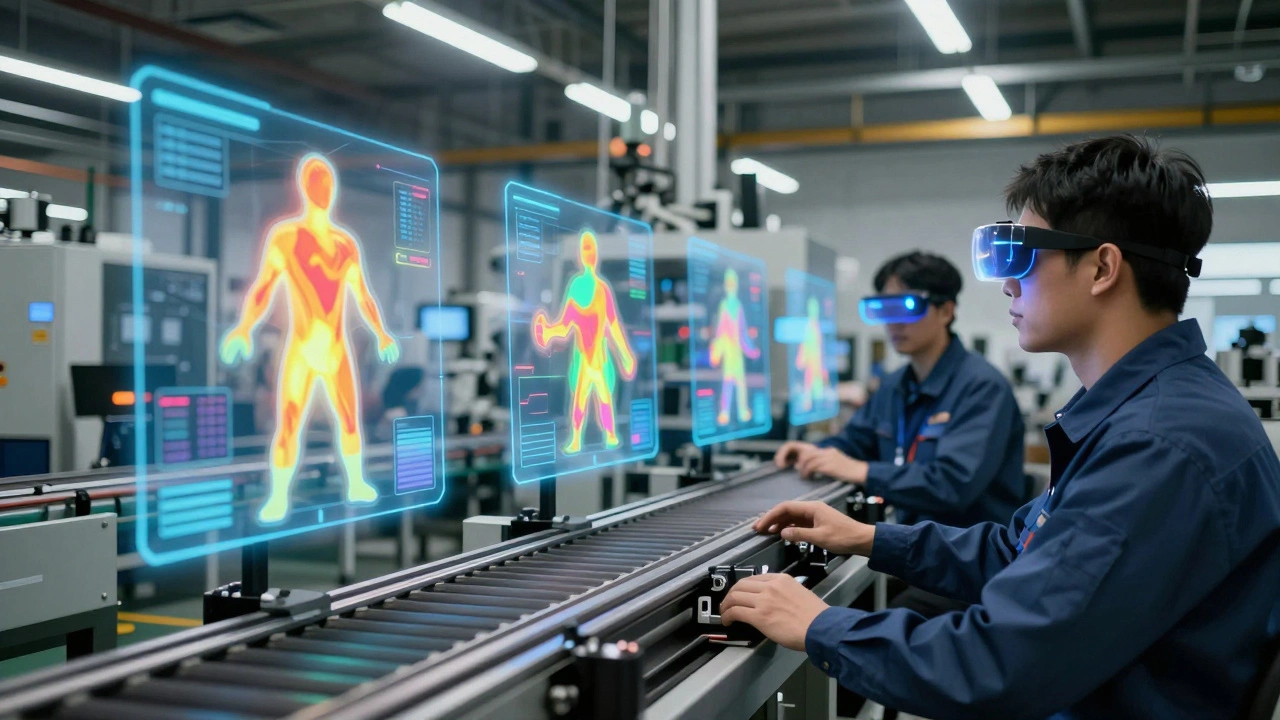
What’s Next? AI, XR, and Autonomous Twins
Digital twins are getting smarter. NVIDIA’s Omniverse now uses generative AI to automatically tweak twin models based on real-world performance. If a turbine starts vibrating oddly, the AI suggests a new blade shape-and tests 100 variations in minutes. Augmented reality is merging with digital twins too. PTC bought Reality Labs in 2023 to let field technicians see a live digital twin of a machine overlaid on the real thing through smart glasses. They don’t need manuals. They see exactly what’s wrong and how to fix it. The future? Autonomous digital twins. Models that don’t just react-they proactively search for improvements. They talk to other twins. They simulate entire supply chains. They suggest new product features before the market asks for them. Forrester predicts 95% of discrete manufacturers will use some form of digital twin by 2027. The question isn’t whether you’ll adopt it. It’s whether you’ll be ahead of the curve-or playing catch-up while your competitors ship better products, faster, with fewer returns.Regulations Are Catching Up
Governments aren’t ignoring this. The FDA issued formal guidance in January 2023 requiring medical device makers to prove their digital twins accurately reflect the physical product. Traceability is mandatory. Validation must be documented. No more guessing. In Europe, new industrial regulations will soon require digital twins for safety-critical machinery. The same is coming in the U.S. for aerospace and energy systems. If you’re in a regulated industry, waiting isn’t an option. Your next audit might ask: “Where’s your digital twin?” And if you don’t have one, you won’t pass.Who’s Leading the Pack?
Siemens holds 31% of the market. Dassault Systèmes has 24%. PTC, Microsoft, and AWS are closing in. But the real winners aren’t the software vendors-they’re the companies using the tech to out-innovate everyone else. A German wind turbine maker used digital twins to redesign a gearbox. They reduced weight by 18%, increased efficiency by 7%, and cut warranty claims by 40%. All before the first physical prototype was built. That’s the power of a digital twin. It doesn’t just make development faster. It makes your product better.What’s the difference between a digital twin and a regular simulation?
A regular simulation is a one-time model based on assumptions. A digital twin is a live, continuously updated copy of a real asset, fed by real-time sensor data. Simulations answer “What if?” Digital twins answer “What is?” and “What will happen next?”
How long does it take to implement a digital twin?
A simple twin for one machine can be up and running in 3 to 6 months. Full enterprise deployments across multiple assets usually take 6 to 18 months. The biggest delays come from data integration and organizational resistance-not the software.
Do I need IoT sensors to use a digital twin?
For a live, real-time twin, yes. But you can start with historical data and manual inputs. Many companies begin with a static twin using past maintenance logs and design specs. Then they add sensors later as they prove value.
Can small manufacturers afford digital twins?
Yes. Cloud-based SaaS platforms now offer digital twin tools starting at $5,000 per month. You don’t need to buy servers or hire a team of data engineers. Start small-twin one critical asset-and scale as you see results.
What skills do I need to build a digital twin?
You need a mix: mechanical or electrical engineers to understand the asset, data engineers to handle sensors and databases (Python, SQL), and visualization experts to build the interface (Unity, Unreal). Most companies hire a digital twin architect to tie it all together.
Are digital twins secure?
They can be-but only if you treat them like critical infrastructure. Digital twins collect sensitive operational data. You need encrypted data streams, role-based access control, and regular cybersecurity audits. A breach in a digital twin could expose design secrets or let attackers manipulate predictions.
What industries benefit the most from digital twins?
Manufacturing (68% adoption), aerospace (47%), automotive (52%), and healthcare (31%) lead the way. These industries deal with high-cost, complex, or safety-critical products where the cost of failure is too high to rely on physical testing alone.
Will digital twins replace engineers?
No. They empower them. Engineers spend less time fixing broken prototypes and more time solving bigger problems. The twin handles the repetitive testing. The engineer handles the insight, creativity, and decision-making.
Companies that adopt digital twins don’t just build better products. They build faster, smarter, and more resilient operations. The technology isn’t coming. It’s already here. The question is: Are you using it-or watching someone else use it to leave you behind?