Global South: How Developing Nations Are Reshaping Climate, Tech, and Economic Power
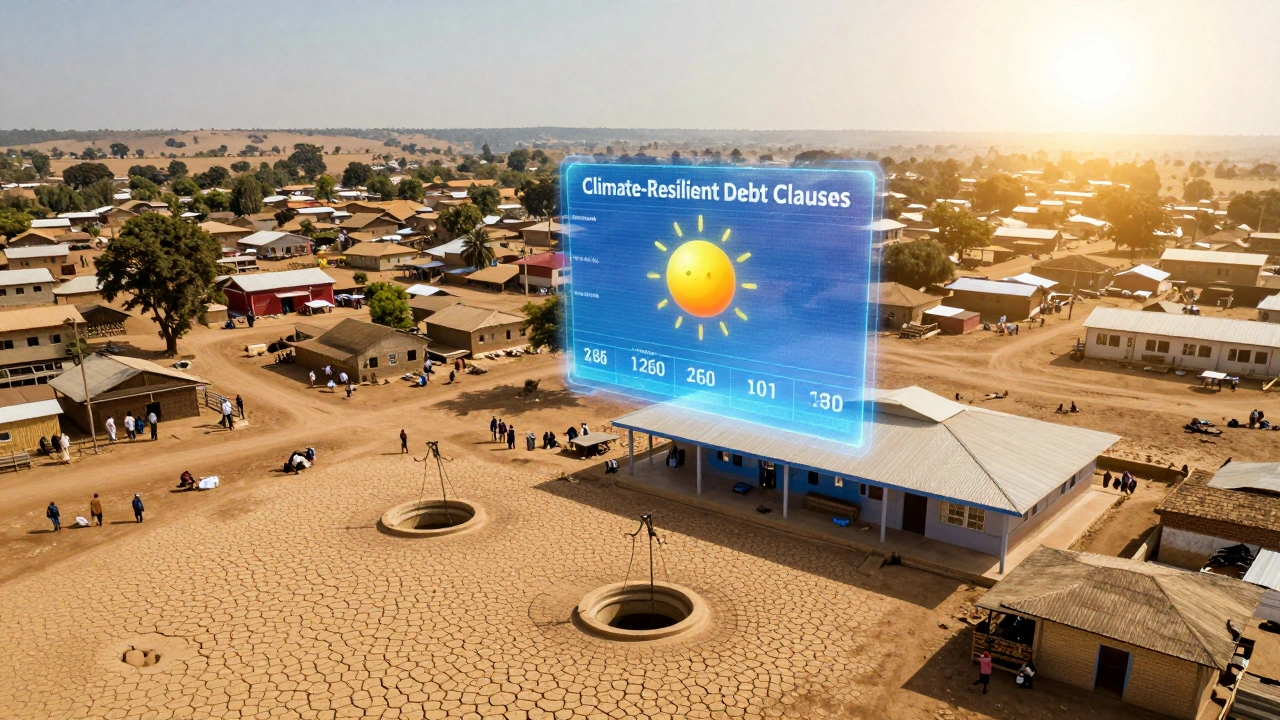
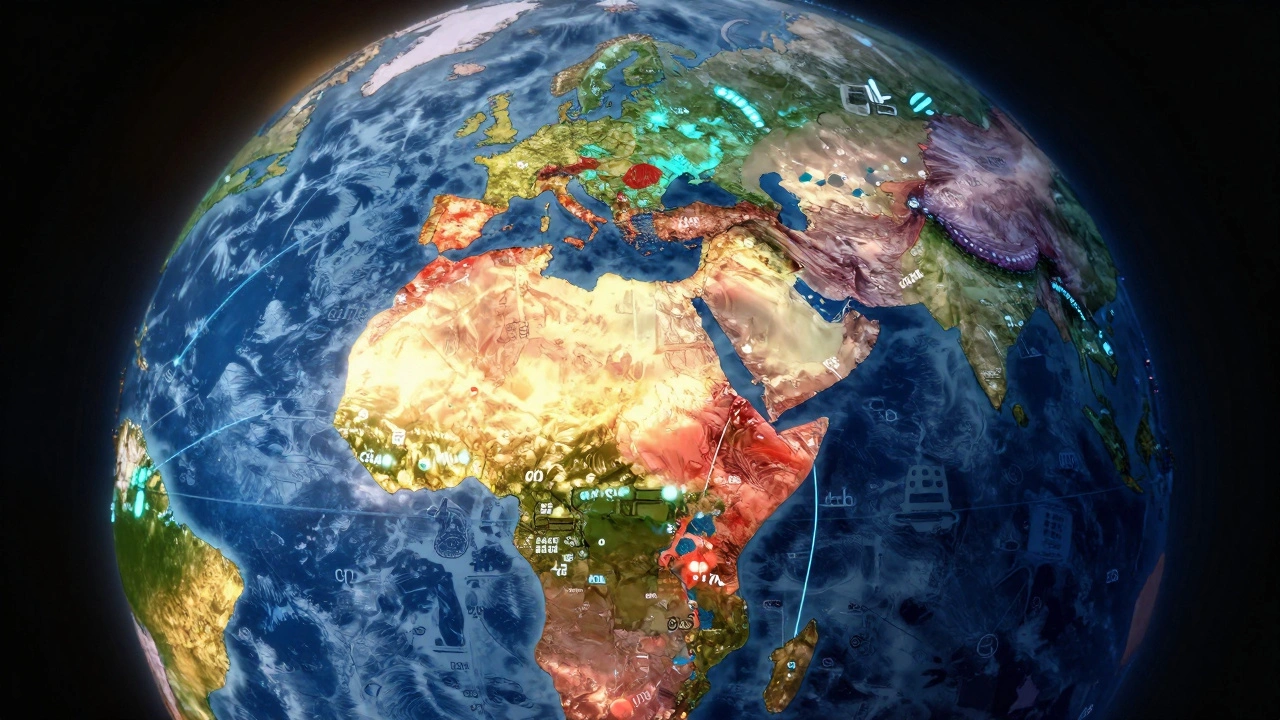
When we talk about the Global South, the collective term for low- and middle-income countries primarily in Africa, Latin America, and Asia that face systemic economic and political disadvantages in the global order. Also known as the Majority World, it's not a monolith—but a network of nations pushing back against outdated power structures. These countries produce less than 10% of global emissions, yet suffer the worst effects of climate change. They don’t get the funding they need, but they’re building their own solutions—faster than the old systems can keep up.
The climate justice, the principle that those least responsible for climate change deserve the most support in adapting to its impacts movement isn’t just moral—it’s economic. The loss and damage fund, a multilateral mechanism created to compensate vulnerable nations for irreversible climate harm is one of the first real attempts to fix this imbalance. But it’s not enough. Countries in the Global South are now leading in vaccine manufacturing equity, the push to build regional production hubs so life-saving medical tools aren’t controlled by a few wealthy nations. From Senegal to Indonesia, local labs are making vaccines faster and cheaper, cutting dependency on imports that often arrive too late.
Meanwhile, the old idea that innovation only flows from Silicon Valley or Berlin is collapsing. The multilateral climate finance, funding systems like the Green Climate Fund that channel money from rich to poor nations for adaptation and clean energy are still broken—slow, bureaucratic, tied to impossible conditions. But nations in the Global South are bypassing them. They’re using digital IDs to deliver cash aid, building solar microgrids without waiting for World Bank approval, and training engineers in AI and robotics using open-source tools. This isn’t charity—it’s adaptation with agency.
And it’s not just about survival. It’s about redefining power. When the Global South pushes for fairer trade rules, better patent access, or control over its own data, it’s not asking for a seat at the table—it’s building a new one. The Global South is where the next wave of economic resilience is being tested—in rural towns bringing back young workers, in cities cooling down with green roofs, in communities using AI to manage public services without sacrificing privacy. These aren’t fringe experiments. They’re the future.
What follows is a curated collection of stories showing how these shifts are playing out—from how pandemic bonds failed and what replaced them, to how countries like Estonia and Brazil are using tech to fight population decline, and how climate finance is being rewritten by those who need it most. This isn’t about pity. It’s about seeing where the real innovation, grit, and change are happening—and learning from it.