Health Security: Protecting Populations from Disease, Disruption, and Decline
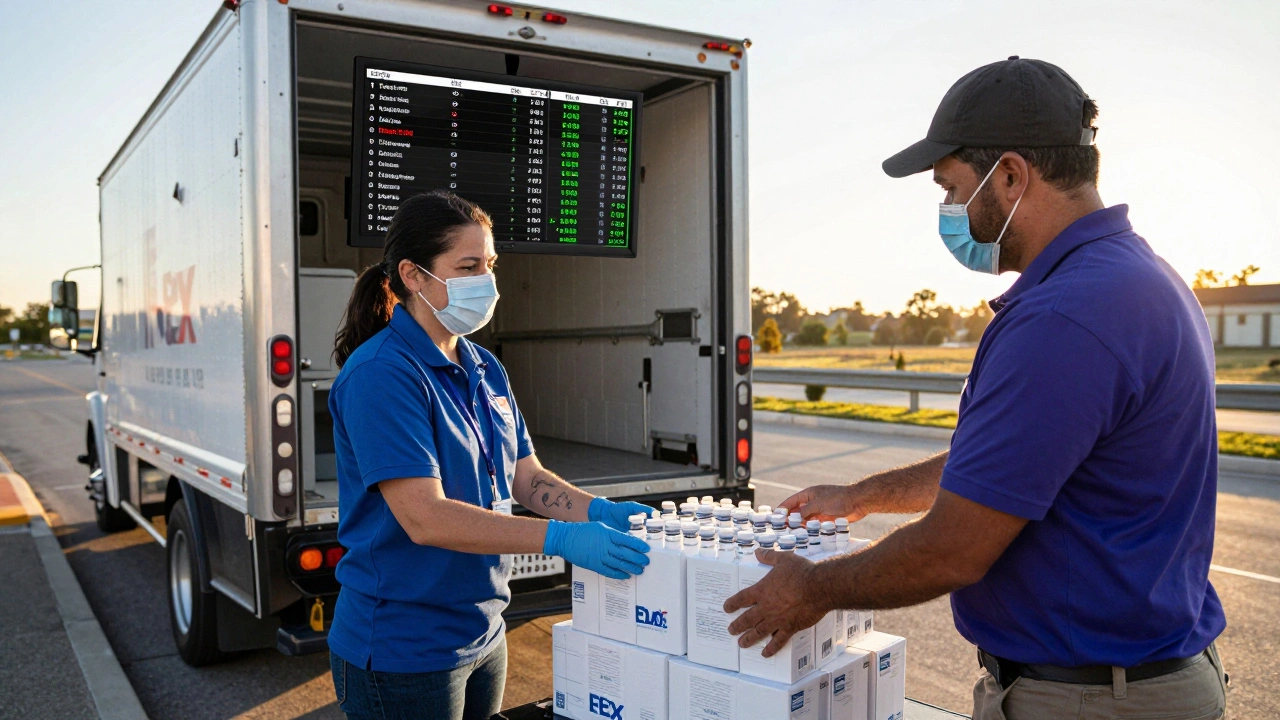
When we talk about health security, the systems and strategies that prevent, detect, and respond to threats to population health. Also known as public health security, it's not just about vaccines and hospitals—it's about whether a country can keep its food, water, workers, and supply chains safe when a virus, cyberattack, or natural disaster hits. This isn’t theoretical. During the pandemic, health security failures meant empty ICU beds, delayed test results, and nurses working without masks. It meant pharmacies running out of insulin because a single factory in India shut down. Health security is what keeps your medicine on the shelf, your water clean, and your local clinic from collapsing under pressure.
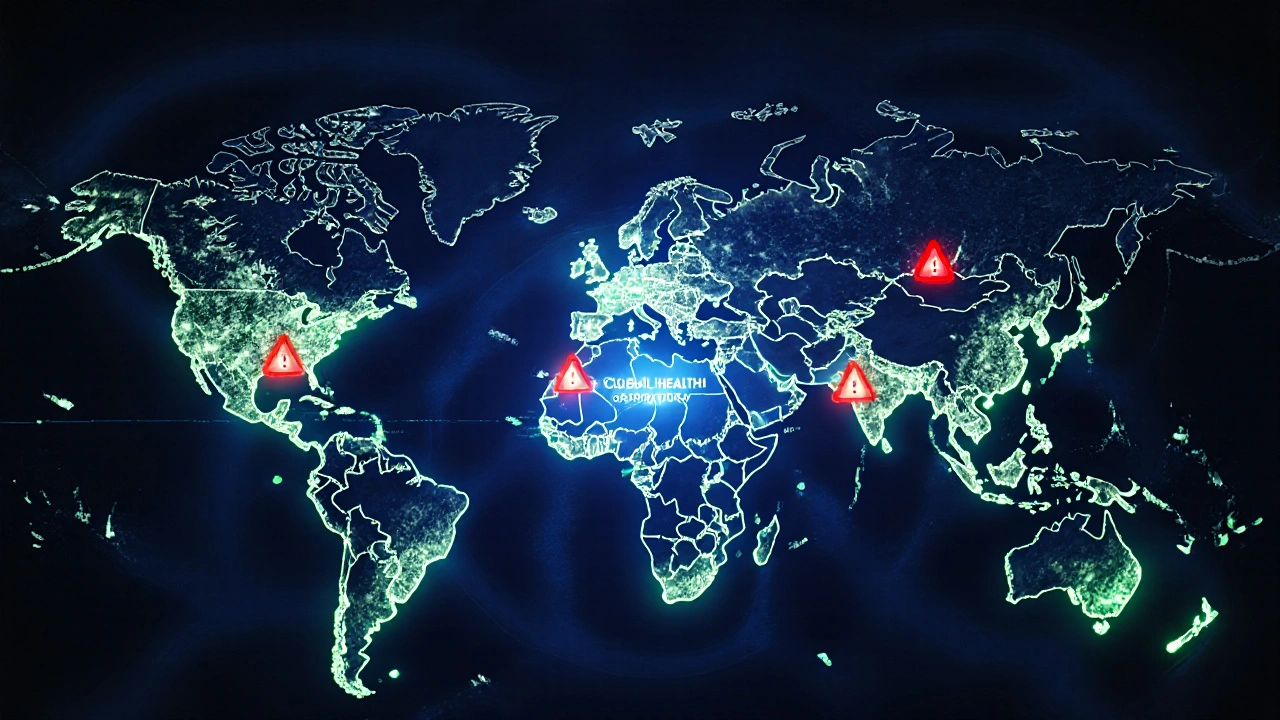
It’s built on four pillars: disease surveillance, the real-time tracking of illness patterns across borders and communities, healthcare resilience, the ability of hospitals and clinics to keep functioning during crises, pandemic preparedness, the planning and stockpiling of tools, staff, and protocols before disaster strikes, and workforce protection, ensuring doctors, nurses, and sanitation workers aren’t left exposed or overworked. These aren’t separate topics—they’re linked. Weak surveillance means delayed responses. Underfunded hospitals mean more deaths. Burned-out staff mean slower recovery. And when you ignore any one of them, the whole system cracks.
Look at what’s happening now: countries are redesigning how they stockpile medical gear, training non-medical workers to handle basic care, and using AI to predict outbreaks before they explode. Cities are building emergency supply chains for oxygen and IV fluids. Governments are finally paying attention to the care economy—because when elder care workers quit, entire communities suffer. Meanwhile, cyberattacks on hospitals are rising, and climate-driven disease patterns are shifting faster than old policies can adapt. This isn’t about fear. It’s about recognizing that health security is economic security, national security, and social stability all wrapped into one.
What you’ll find below isn’t a list of generic health tips. These are real, on-the-ground stories and analyses—from how Baltic nations are fighting population loss that strains their health systems, to how AI is reshaping how we track outbreaks, to why unionized healthcare workers are less likely to be laid off during crises. You’ll see how logistics bottlenecks can starve a hospital of medicine, how cyber resilience roadmaps now include hospital networks, and why aging populations are turning pension systems into health security risks. This is the practical side of keeping people alive—not the headlines, but the systems behind them.