Innovation Clusters: How Regions Fuel Tech Breakthroughs and Economic Shifts
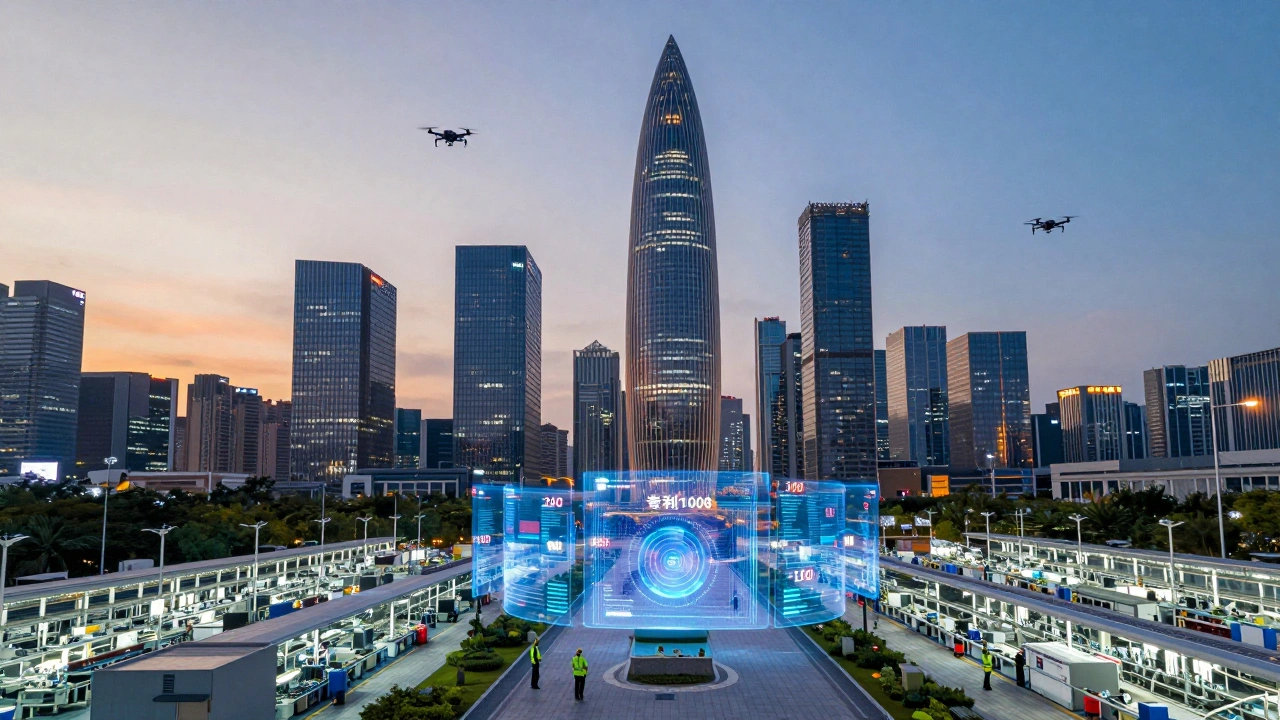
When we talk about innovation clusters, concentrated geographic areas where tech companies, research institutions, and skilled workers collaborate to drive breakthroughs. Also known as tech hubs, these zones aren’t just offices and labs—they’re ecosystems where ideas turn into products faster because the right people, funding, and culture are all in one place. You see them in Israel, where military tech veterans launch cybersecurity startups; in Silicon Valley, where venture capital and Stanford grads feed each other; and now in places like Bangalore and Seoul, where government support meets global talent.
These clusters don’t grow by accident. They need education investment, targeted spending on schools, training, and research that builds a pipeline of skilled workers—something Asia nailed by turning population growth into economic power. They need AI task automation, tools that let engineers focus on solving hard problems instead of repeating routine tasks, which is why companies in these zones are cutting R&D time in half. And they need geoeconomic fragmentation, the trend where countries build their own tech supply chains instead of relying on global networks—which is pushing regions like Europe and Southeast Asia to double down on local innovation to stay competitive.
It’s not just about who has the most patents. It’s about who can turn ideas into real-world impact fast. That’s why innovation clusters now measure success by adoption rates, not just filings. They track how many startups scale, how many workers get upskilled, and how many public services get improved by AI. Some clusters, like those in Estonia or Singapore, even use AI to spot hidden talent and match them with local firms before they leave. Others, like Israel, leverage deep-tech expertise to build global unicorns from scratch. Meanwhile, places struggling with rural depopulation or aging populations are starting to ask: can we build our own cluster to bring young talent back?
What you’ll find below isn’t a list of buzzwords. It’s a real-world map of where innovation is happening right now—and how it’s changing jobs, markets, and even how governments work. From AI governance to climate finance, from vaccine manufacturing to robotics in elder care, every post here connects back to one thing: innovation doesn’t happen in a vacuum. It happens where people, policy, and technology come together—and that’s exactly what these clusters are designed to do.