Pandemic Funding: How Global Money Shifts Changed Health, Economy, and Power
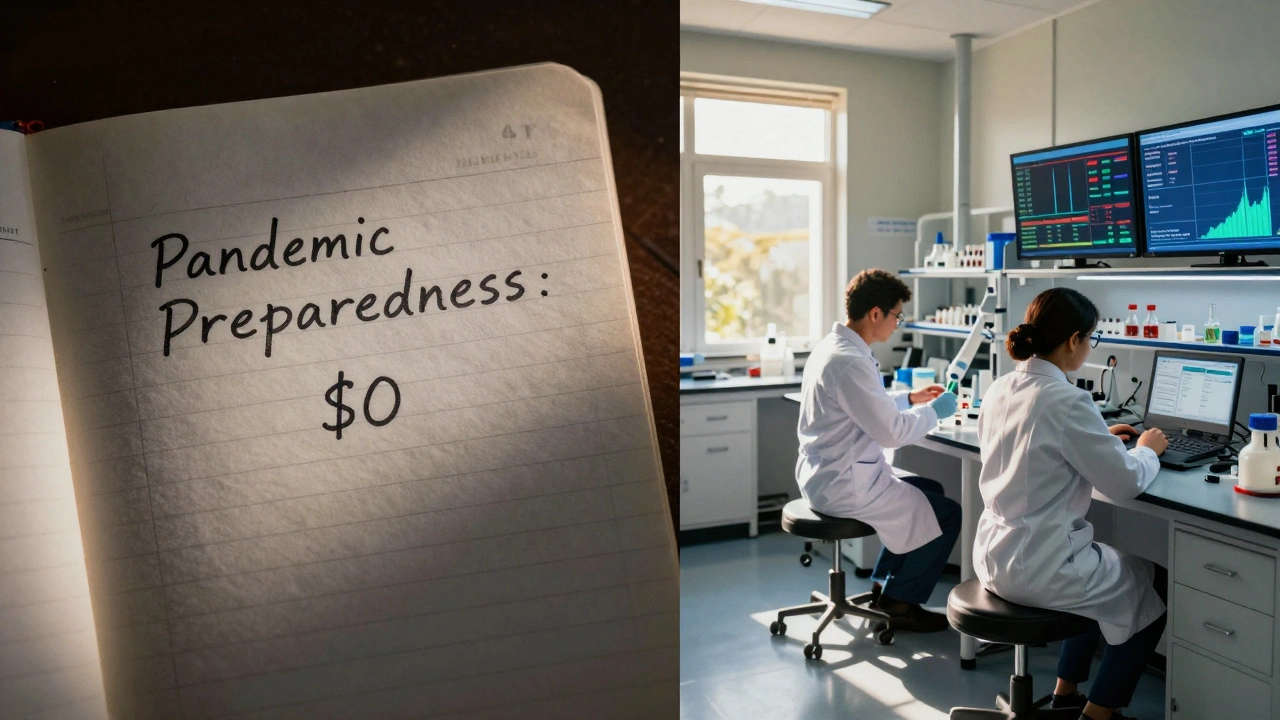
When the world shut down in 2020, pandemic funding, the massive reallocation of public and private money to respond to global health crises. Also known as crisis financing, it wasn’t just about buying masks and vaccines—it rewired how nations think about security, equity, and survival. Governments dumped over $20 trillion into emergency relief, stimulus checks, business bailouts, and hospital upgrades. But not all of it stuck. Some flowed to the right places—like vaccine manufacturing in India and South Africa—while much of it vanished into opaque contracts, delayed aid, or corporate windfalls.
This money didn’t just save lives—it exposed fault lines. The multilateral aid, funding channeled through global institutions like the WHO and World Bank to support low-income countries was promised but often slow, bureaucratic, and tied to political conditions. Meanwhile, the climate finance, money set aside to help nations adapt to environmental disasters got sidelined. Why? Because when hospitals overflowed, climate budgets got pushed to the back of the line—even though heatwaves and wildfires kept burning. The same nations that needed help most got the least. And when the emergency faded, so did the urgency. Funding dried up, but the damage didn’t.
What’s left? A patchwork of lessons. Countries that invested in local vaccine production, like South Korea and Brazil, bounced back faster. Places that tied aid to worker protections, like Canada’s wage subsidies, saw lower unemployment. But places that handed cash to big banks or ignored rural health systems? They’re still paying the price—in stalled recovery, rising inequality, and broken trust.
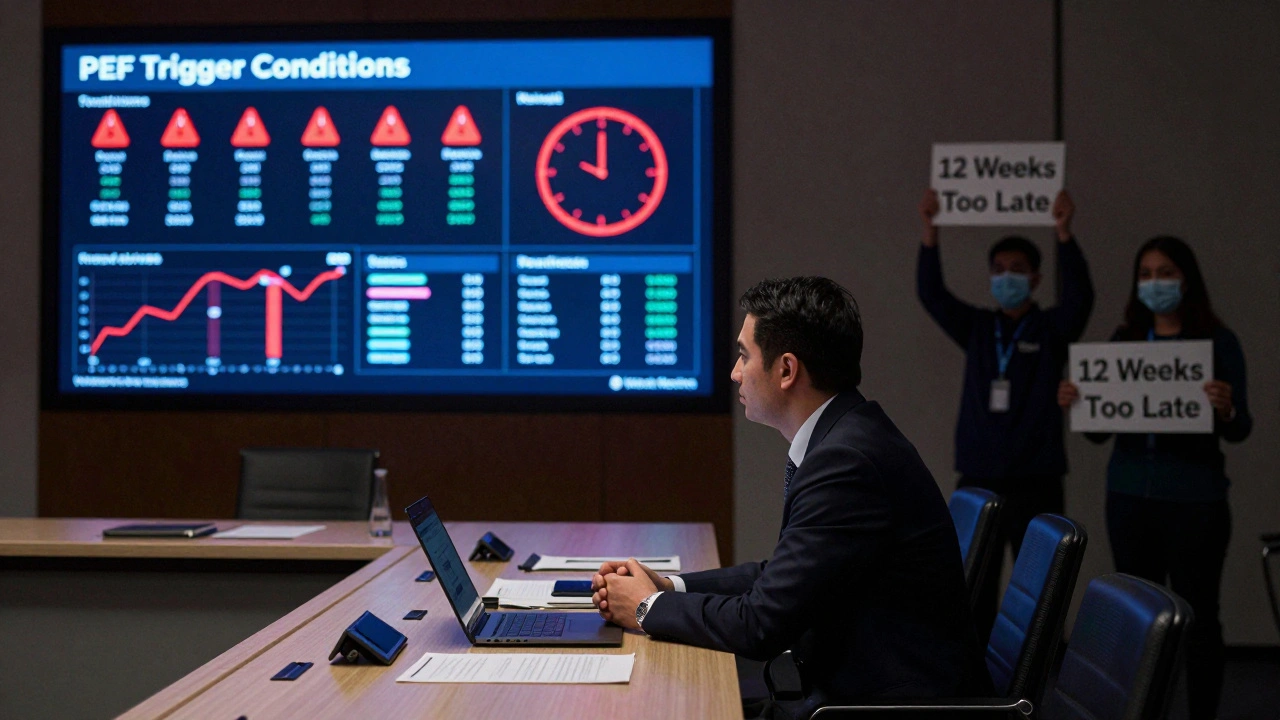
Now, the money’s gone, but the patterns remain. The next crisis won’t wait for approval committees. It’ll hit fast—and the only thing that matters is whether we built systems that can move just as fast. Below, you’ll find real stories of how pandemic funding changed industries, governments, and lives. Not the headlines. The aftermath.