Sanctions Evasion Revenue Calculator
Input Parameters
Key Insights
Evasion Rate = Percentage of oil sold at discount prices through non-sanctioned channels
Price Cap = Current Western-imposed limit on Russian oil price
Evasion Effect = How effectively Russia avoids sanctions through alternative routes
Revenue Analysis
Sanctions weren’t supposed to work like this
When Western nations slapped sanctions on Russia after its invasion of Ukraine, they expected economic collapse. Instead, Russia’s economy kept growing-3.6% in 2023, 4.3% in 2024. How? Because sanctions didn’t break Russia. They just pushed it underground.
The U.S. alone imposed over 6,400 sanctions. The EU, UK, Canada, Japan, and Australia joined in. They cut major Russian banks from SWIFT. They banned high-tech exports. They capped Russian oil at $60 a barrel. The goal was simple: starve the war machine. But Russia didn’t fold. It adapted.
The shadow fleet that keeps Russia’s oil flowing
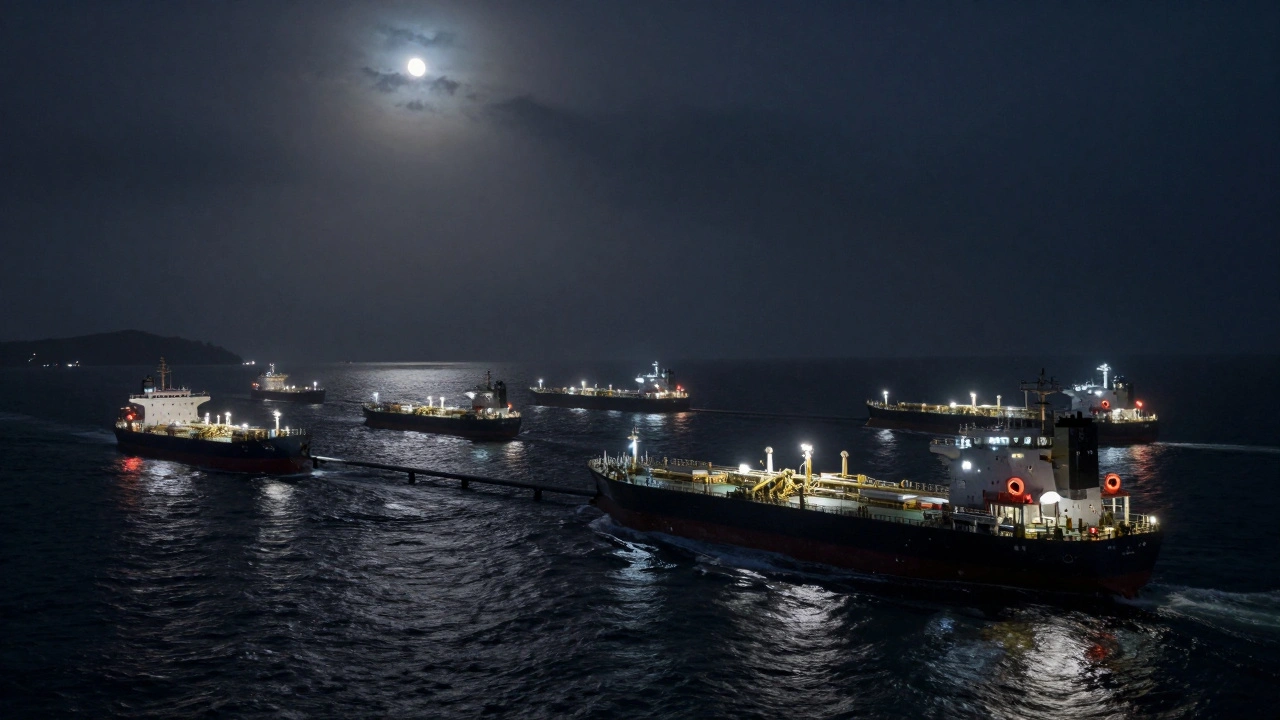
One of the biggest cracks in the sanctions system? The shadow fleet. In 2022, Russia had fewer than 100 tankers running without Western insurance or services. By 2025, that number jumped to around 600. Only 444 of them are officially sanctioned. That leaves over 150 tankers sailing in the dark, moving Russian crude to India, China, and Türkiye.
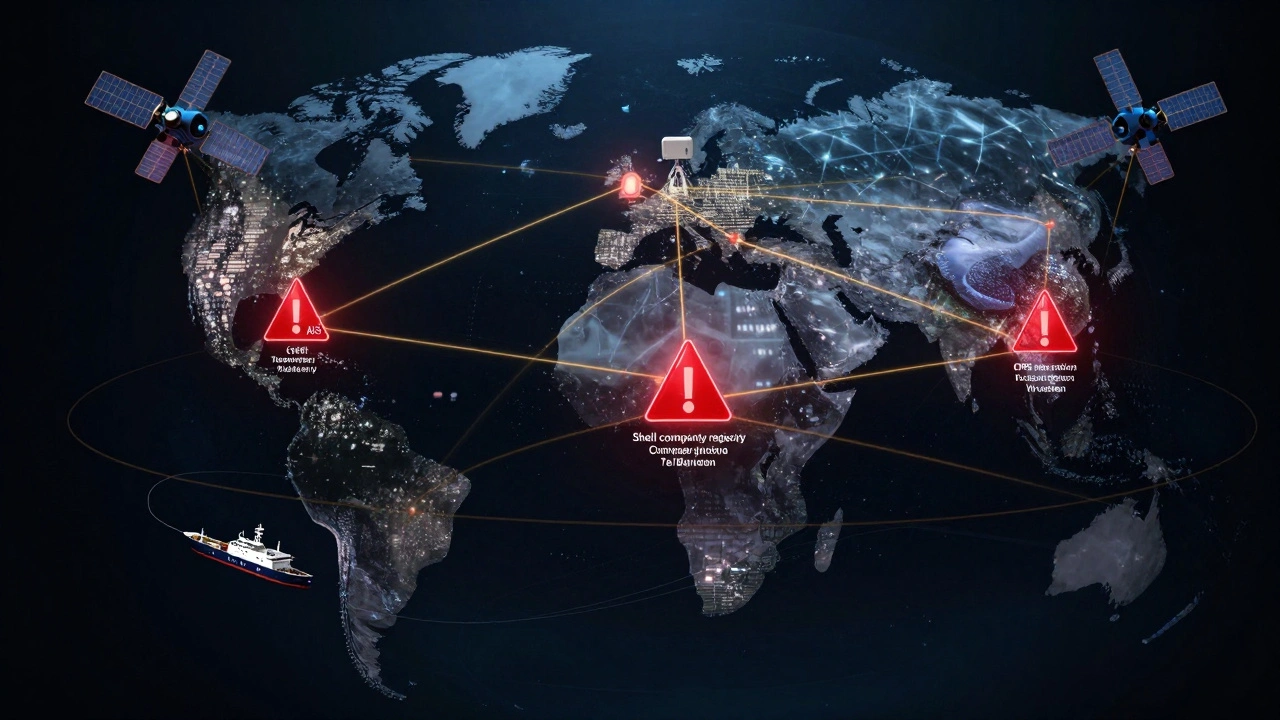
The oil price cap was meant to limit revenue. But when Western insurers and ship managers refused to touch Russian oil, Russia turned to smaller firms in Greece, Lebanon, and the Marshall Islands. These companies don’t care about Western rules. They charge lower rates. They use fake documents. They turn off transponders. They transfer oil at sea-no port, no paper trail.
The result? Russia still exports 80% of its oil to non-Western markets. Revenue dropped 15-20%, sure. But not enough to hurt the military. The Kremlin now sells oil at discounts, but volume makes up the difference. The price cap didn’t stop the flow. It just changed the buyers.
How Russia buys drones and microchips without Western tech
Sanctions on dual-use tech were supposed to cripple Russia’s weapons production. Every missile, drone, and artillery shell needs microchips, sensors, and precision tools. Before 2022, Russia imported most of these from Germany, Japan, and the U.S.
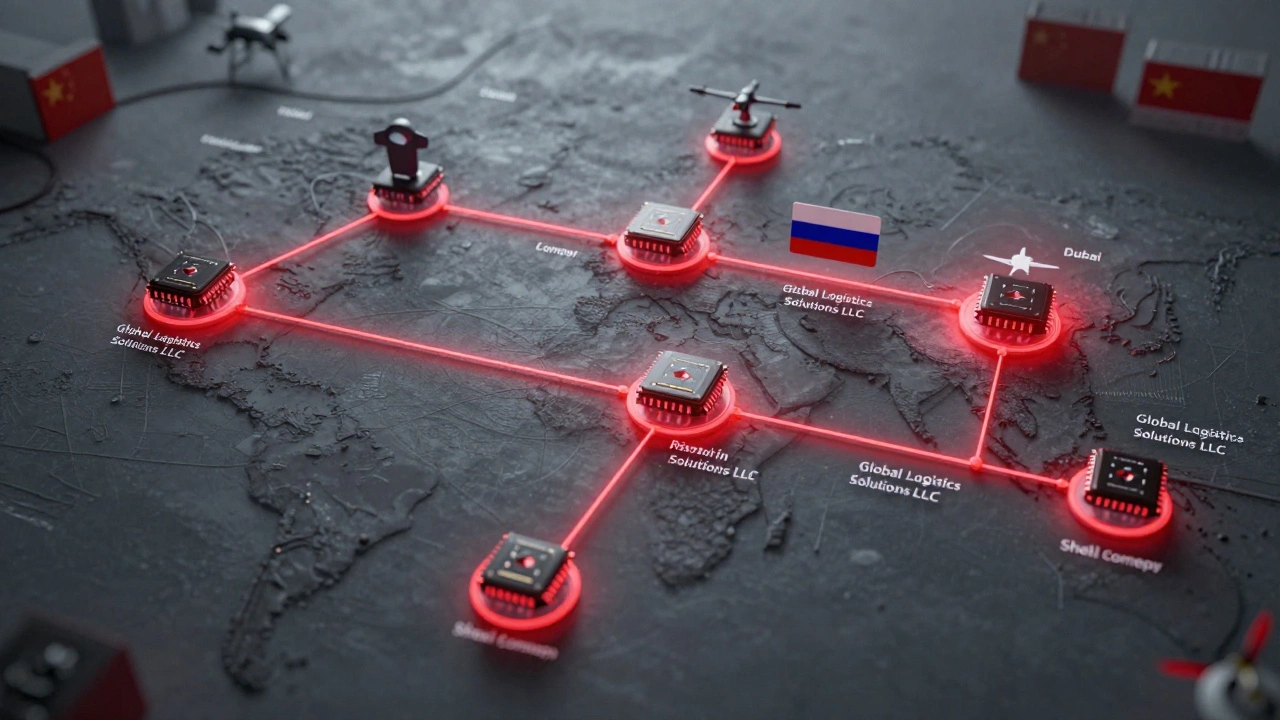
Now? They route everything through China, Türkiye, Kazakhstan, and the United Arab Emirates. A Chinese company buys a German-made machine tool. It ships it to a warehouse in Dubai. Then it gets sent to a front company in Belarus. Finally, it lands in a Russian factory making guided bombs.
The Common High Priority Items List (CHPL) has 50 items that should be blocked. But enforcement is patchy. The U.S. cracks down hard. The EU moves slower. Some EU countries still allow exports under vague "civilian use" exceptions. Russian firms exploit those gaps. They use shell companies with names like "Global Logistics Solutions LLC"-registered in the British Virgin Islands, operated from Moscow.
According to the Atlantic Council, every drone Russia launches now costs more and takes longer to build. But they’re still launching them. The supply chain is broken, but not broken enough.
The SWIFT loophole no one talks about
Yes, the biggest Russian banks-Sberbank, VTB, Gazprombank-are cut off from SWIFT. But that’s only the tip of the iceberg.
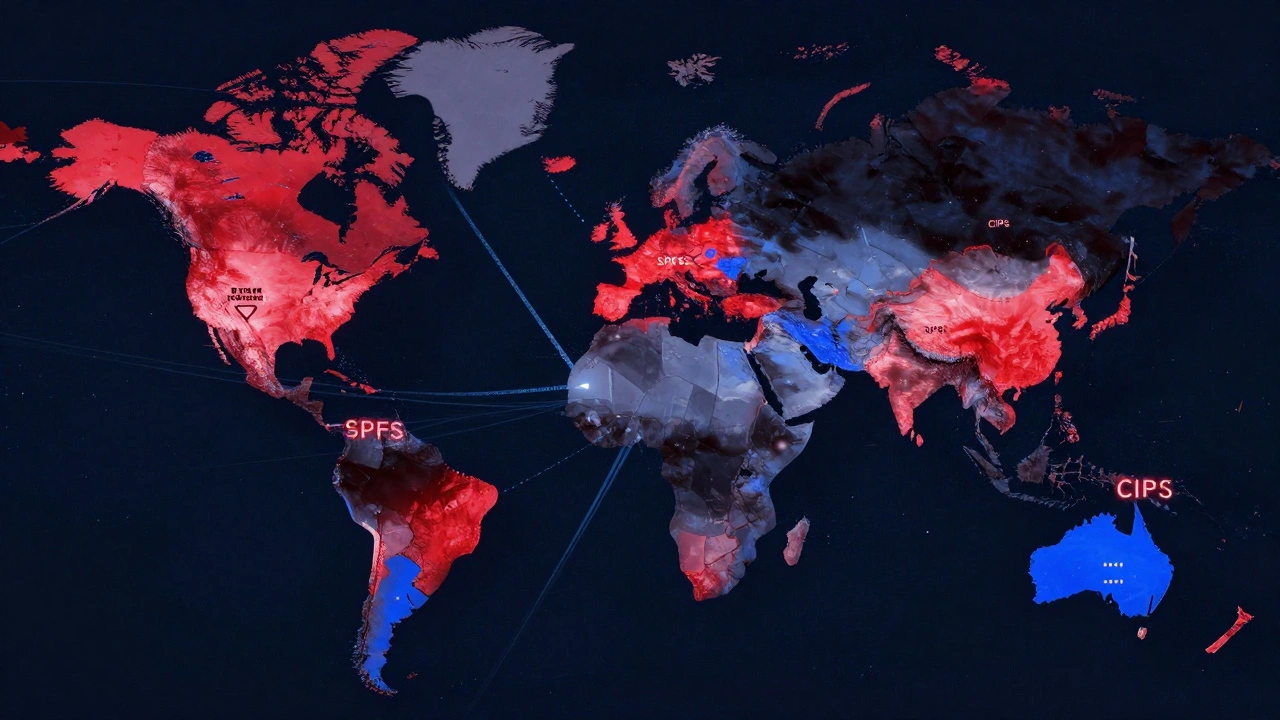
There are still around 200 smaller Russian banks connected to international payment systems. They don’t carry the same name recognition, so they fly under the radar. And they don’t work alone. They partner with Chinese banks like the Bank of China and Industrial and Commercial Bank of China (ICBC). A Russian exporter sends a payment to a Chinese intermediary. The Chinese bank converts it to yuan. Then it pays the supplier in euros or dollars-clean, traceable, legal.
It’s not fraud. It’s legal arbitrage. The Chinese banks aren’t breaking rules. They’re just not following Western sanctions. And since China doesn’t recognize them, there’s no legal risk. The U.S. Treasury has tried to punish these intermediaries with secondary sanctions. But Chinese banks don’t care. They’ve got their own economy. They don’t need Wall Street.
Why coordination is the weakest link
The biggest failure of the sanctions regime isn’t Russia’s cunning. It’s the lack of teamwork among the West.
On October 30, 2024, the U.S. Treasury sanctioned Rosneft and Lukoil. No warning. No coordination with the EU or UK. Meanwhile, European authorities were quietly sanctioning tankers in the Baltic. The U.S. didn’t know. The EU didn’t tell them. Russia noticed. It shifted its shipping routes overnight.
There’s no central command. No shared database. No real-time alerts. One country targets a company. Another lets it keep banking. One bans a port. Another lets Russian ships dock. The result? Russia plays the gaps like a chess master.
Even the most effective sanctions-like the U.S. targeting shadow fleet tankers-only work if others follow. But Europe hesitates. Some EU members rely on Russian gas. Others fear losing trade with China. The U.S. can’t enforce sanctions alone. And without unified action, the system collapses.
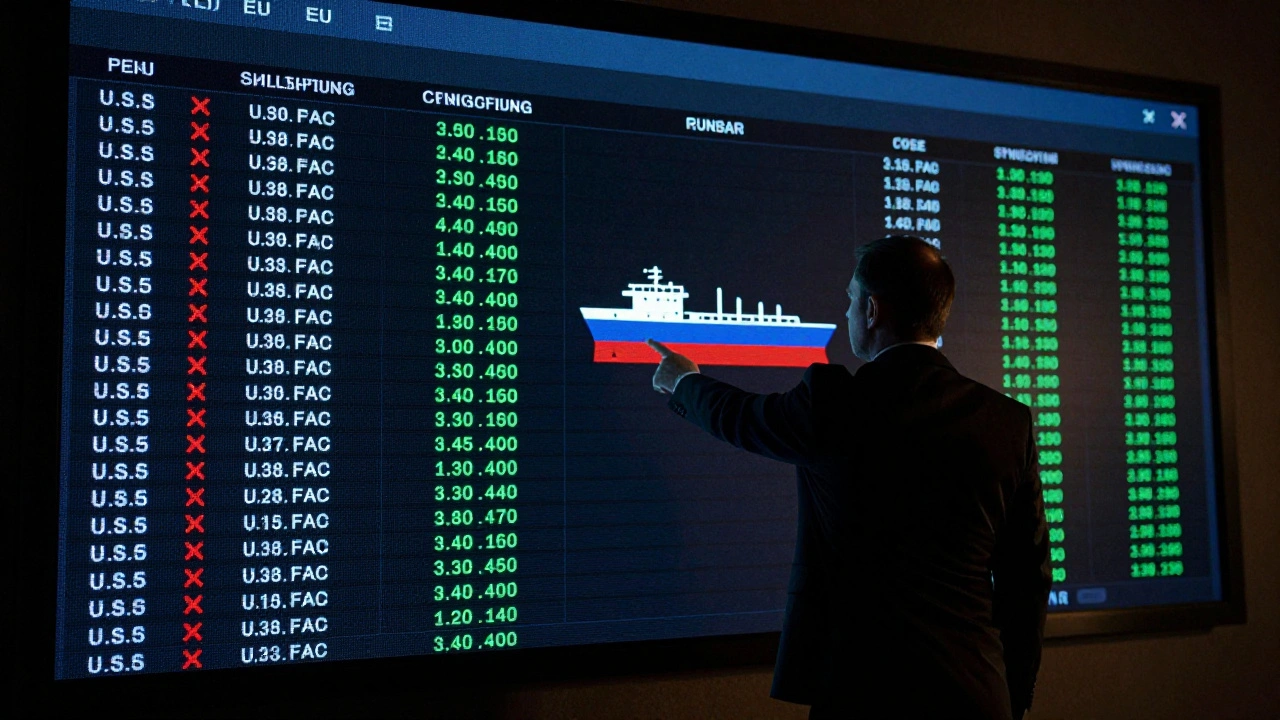
The real cost: Russia’s economy is running on fumes
Yes, Russia’s GDP is growing. But look deeper.
The National Wealth Fund-Russia’s rainy-day savings account-has dropped from $116.5 billion in early 2022 to $53 billion in mid-2025. That’s barely enough to cover the 2025 budget deficit of $43 billion. The government is eating its own savings to pay for war.
Foreign investment? Down 60%. Trade with the U.S.? Down 93%. Even China, Russia’s biggest partner, is pulling back. Chinese firms are wary of U.S. secondary sanctions. They don’t want to be next on the Treasury’s list.
Russia’s economy isn’t thriving. It’s being kept alive by emergency measures: cash reserves, forced exports, and state-controlled production. There’s no innovation. No growth. Just survival. The war economy is a zombie economy-moving, but not living.
What this means for future sanctions
Russia’s war economy teaches us three hard truths.
First, sanctions don’t work if they’re not enforced everywhere. A single loophole-whether in China, Türkiye, or the Caribbean-can undo months of planning.
Second, you can’t sanction your way to victory. Russia’s economy is damaged, but not destroyed. Military production continues. Troops keep fighting. Sanctions slow, but they don’t stop.
Third, enforcement requires constant adaptation. Russia doesn’t just evade. It evolves. New front companies. New shipping routes. New financial intermediaries. Sanctioning nations need to move faster than the enemy. Right now, they’re always chasing.
The lesson isn’t that sanctions are useless. It’s that they’re only as strong as their weakest link. And right now, the West’s weakest link is itself.
What’s next? The arms race continues
The U.S. Treasury’s June 2024 sanctions package targeted over 300 entities across 12 countries. That was the biggest move yet. But it’s not the end.
Russia is already building new evasion networks. More shell companies. More fake invoices. More offshore accounts. Chinese firms are developing their own payment systems to bypass Western controls. Iran and North Korea are offering technical help.
Sanctions are no longer a one-time tool. They’re a permanent war. And the side that adapts fastest wins.