
Trade Dispute Resolution: How WTO Panels and Bilateral Talks Actually Work
Trade disputes are resolved through the WTO's formal panel system or quiet bilateral talks. Most cases settle without panels, but when they don't, the process takes over a year-and enforcement is weak. Here's how it really works.

Arms Control Revival: Can New Treaties Survive an Era of Distrust?
With New START expired, the world has no binding limits on U.S. and Russian nuclear arsenals for the first time in over 50 years. Without inspections or transparency, the risk of miscalculation and escalation is rising.

Hong Kong’s FDI Edge: How University-Industry Partnerships Are Fueling Innovation
Hong Kong is turning university-industry partnerships into a global innovation edge, driving FDI through targeted R&D programs, InnoHK labs, and Greater Bay Area integration - outperforming larger economies in collaboration metrics.

Edge AI Momentum: How Low-Power Intelligence Is Transforming Phones, Vehicles, and Industrial Devices in 2026
Edge AI is bringing intelligent, low-power processing directly to phones, vehicles, and industrial devices-cutting latency, saving energy, and keeping data private. By 2026, it’s no longer experimental-it’s everywhere.

Workforce Scenarios to 2030: Job Creation, Automation Rates, and Sectoral Shifts
By 2030, automation will displace 92 million jobs but create 170 million new ones. Learn which sectors are growing, which roles are at risk, and what skills will matter most in the future of work.

Global Innovation Index 2025: What China’s Top-10 Entry Means for Tech Competition
China's historic top-10 entry in the 2025 Global Innovation Index signals a major shift in global tech leadership, driven by unmatched innovation output, clustered ecosystems, and private-sector-driven R&D in AI, semiconductors, and green tech.

Techno-Nationalism and IP: Protecting Innovation Amid Tightening Cross-Border Controls
Techno-nationalism is reshaping global innovation by turning intellectual property into a tool of national control. As countries tighten cross-border tech rules, businesses face new risks-and opportunities.

Data Governance as a Moat: How Trust, Compliance, and Analytics Velocity Build Unbreakable Competitive Advantage
Data governance isn't just about compliance - it's the hidden engine behind untouchable competitive advantages. Learn how trust, regulatory rigor, and fast analytics create moats that protect market leadership and drive long-term growth.

Public-Private Partnerships in Health Security: How Coordination and Incentives Drive Results
Public-private partnerships in health security combine government resources with private innovation to improve vaccine distribution, supply chains, and emergency response. When designed with clear roles and performance incentives, they save lives and stretch budgets further.

Cost Transformation With Productivity Tech: AI, Automation, and Process Mining
Cost transformation through AI, automation, and process mining is shifting from a cost-cutting tactic to a strategic advantage. Companies using these tools are slashing operational expenses by 20-30%, improving employee experience, and unlocking funds for growth-all while building more agile, error-free operations.

AI in Financial Services: Fraud Detection, Risk Scoring, and Model Explainability Requirements
AI is transforming fraud detection in finance by analyzing billions of transactions in real time, reducing false positives, and preventing fraud before it happens. With explainability and multi-modal detection now mandatory, institutions must balance security with customer trust.
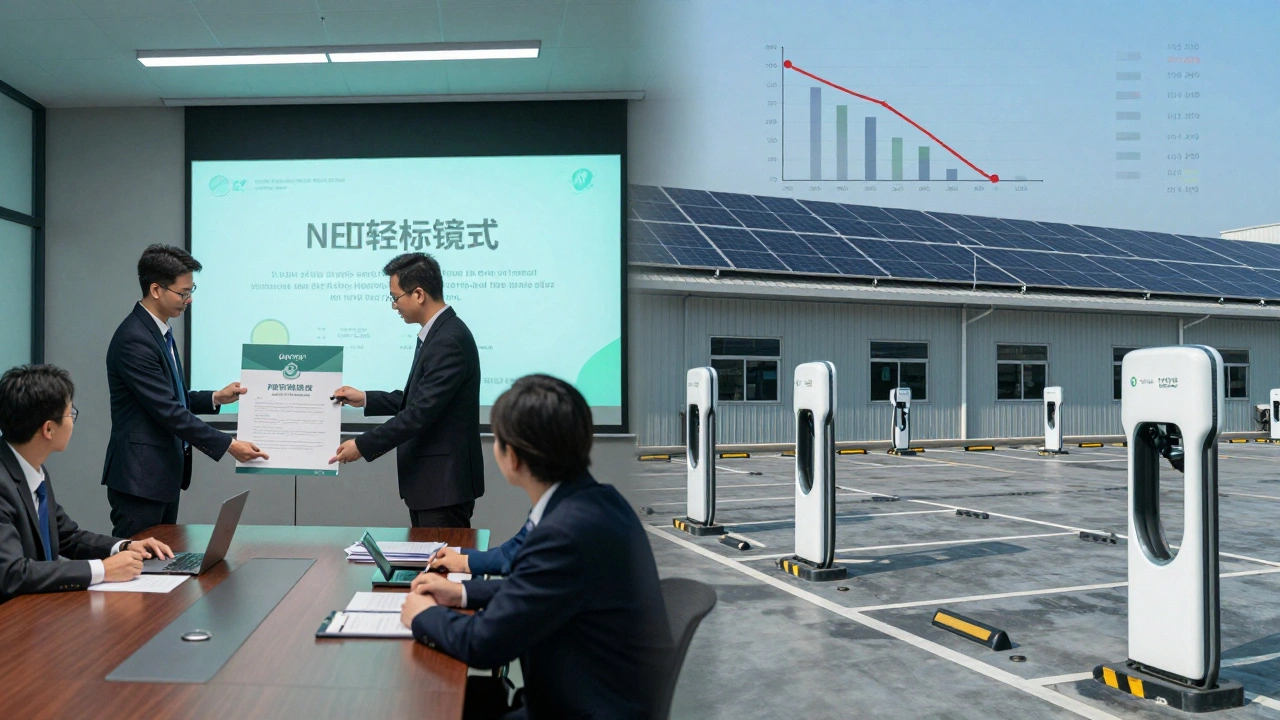
Corporate Net-Zero Strategy: From Pledges to Real Emissions Reductions and Capex Shifts
Corporate net-zero strategies are failing because most companies focus on pledges instead of real emissions cuts and capital shifts. True progress requires science-based targets, Scope 3 accountability, and major capex reallocation - not just carbon offsets.