
Influencer Accountability: Transparency Standards in Paid and Political Content
In 2026, influencers must clearly disclose paid and political content under strict FTC rules. Whether it's a sponsored post, AI avatar, or political endorsement, transparency is no longer optional-it's the law.

University Spinouts and IP: Turning Lab Discoveries into Hard Tech Businesses
University spinouts turn lab discoveries into real-world hard tech companies by combining academic research with business expertise. From Oxford to MIT, these ventures are driving breakthroughs in robotics, biotech, and materials science - and they're changing how innovation happens.

Supply Chain for Advanced Packaging: Bottlenecks in Substrates, Tools, and Talent
Advanced packaging is the hidden engine behind AI chips, but its supply chain is breaking under pressure from substrate shortages, outdated tools, and a severe talent gap. Here’s how these bottlenecks are slowing the next wave of tech innovation.

Quantum and Photonics: The Real Path Beyond Moore’s Law
Quantum computing and silicon photonics are the two critical pathways replacing Moore’s Law. From co-packaged optics to cat qubits, this is how computing is being rebuilt-faster, cooler, and beyond silicon.

Equitable Access in Emergencies: How Medical Resource Prioritization Frameworks Save Lives
When medical resources run out in emergencies, ethical frameworks ensure fair access. Learn how triage systems save lives without abandoning equity, based on real-world models from China, the U.S., and beyond.

Supply-Demand Sensing: How Real-Time Analytics Transform Planning in Volatile Markets
Supply-demand sensing uses real-time data and AI to predict short-term market shifts, cutting forecast errors by up to 20% and reducing excess inventory. Companies like Atria and Amazon use it to stay agile in volatile markets.
International Energy Agency’s Role in Coordinating the Net-Zero Transition Across Members
The International Energy Agency coordinates the global net-zero transition by providing science-based roadmaps, tracking progress across 150+ countries, and guiding policy in advanced and emerging economies alike. Its data-driven approach is shaping how nations invest, regulate, and phase out fossil fuels.

Global South Representation: Voice, Voting Power, and Fairness in International Institutions
The Global South is reshaping global governance by demanding fair voting power in institutions like the IMF and UN. From BRICS expansion to South Africa’s ICJ case, developing nations are no longer asking for a seat at the table - they’re building their own.
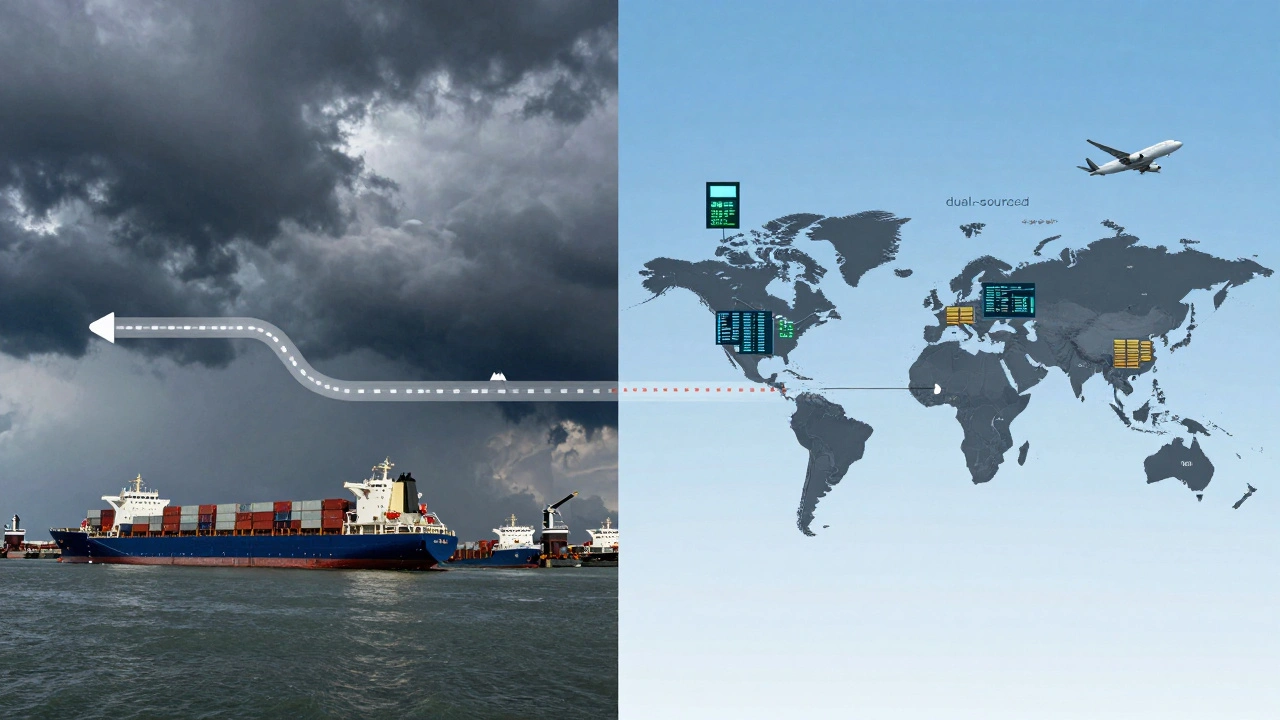
Resilient Supply Chains: How Dual Sourcing, Inventory Buffers, and Nearshoring Are Redefining Business Continuity
Resilient supply chains are no longer optional. Dual sourcing, inventory buffers, and nearshoring are now essential strategies for surviving disruptions, reducing costs, and gaining competitive advantage in today’s volatile global market.

Rules of Origin and Compliance: Navigating Customs Rules in Fragmented Trade Networks
Rules of origin determine customs duties and trade eligibility. In fragmented global supply chains, getting origin wrong can trigger audits, penalties, or lost markets. Learn how to navigate complex rules, documentation, and compliance risks.

Regional Talent Hubs: Why Secondary Cities Are Winning Corporate Hiring Investments
Secondary cities are becoming the new centers of corporate hiring, offering lower costs, stronger talent pipelines, and better quality of life. Companies are shifting away from megacities to regional hubs like Albuquerque, Chattanooga, and Surabaya - and the results are changing how work gets done.

Stakeholder Communication in Crises: How to Talk to Investors, Regulators, and Communities
Effective crisis communication requires tailored messages for investors, regulators, and communities. Learn how to deliver timely, transparent, and trustworthy updates during emergencies to protect trust and reputation.