Environment & Law
When we talk about Environment & Law, the intersection of legal systems and environmental protection. Also known as environmental governance, it’s not just about fines and regulations—it’s about who gets protected, who gets left behind, and who pays when things go wrong. This isn’t theoretical. Right now, communities in Louisiana are fighting in court to hold oil companies accountable for coastal erosion. Farmers in California are suing over water rights as droughts worsen. And in states like Florida and Texas, people displaced by floods have no legal status as climate migrants—no housing aid, no relocation support, no federal safety net.
Climate litigation, legal actions targeting corporations or governments for climate-related harm is exploding. In 2025, oil, cement, and auto companies face lawsuits not just for pollution, but for hiding what they knew. Courts are starting to treat greenwashing as fraud. Meanwhile, decentralized energy, local power systems like community solar and microgrids that operate independently of big utilities are becoming legal battlegrounds too. Some states block homeowners from selling solar power back to the grid. Others pass laws forcing utilities to fund community solar projects for low-income neighborhoods. These aren’t just tech changes—they’re legal shifts that rewrite who controls energy.
And then there’s climate migration, the movement of people forced to leave their homes due to climate impacts like rising seas, wildfires, or crop failure. The U.S. has no federal law for this. No one tracks how many people are displaced internally. No agency is responsible for helping them. States like California and New York are starting to draft policies, but most don’t even recognize climate displacement as a legal category. That means someone whose home was washed away by a hurricane might lose their housing voucher, their job, or their right to vote—all because the system doesn’t see them as a victim.
What ties these together? Power. Who has it. Who loses it. Who gets to write the rules. The legal system isn’t neutral—it’s being used to protect profits, silence communities, and delay action. But it’s also being turned around. Grassroots groups are using courts to force change. Local governments are building energy systems that bypass corrupt utilities. People on the frontlines are demanding recognition—not as victims, but as rights-holders.
Below, you’ll find real stories and deep dives into these battles. From the courtroom to the solar panel, from the flooded neighborhood to the statehouse, this is where the fight for a livable future is being decided—not in speeches, but in filings, rulings, and policy drafts. What you read here isn’t background. It’s the playbook for what comes next.
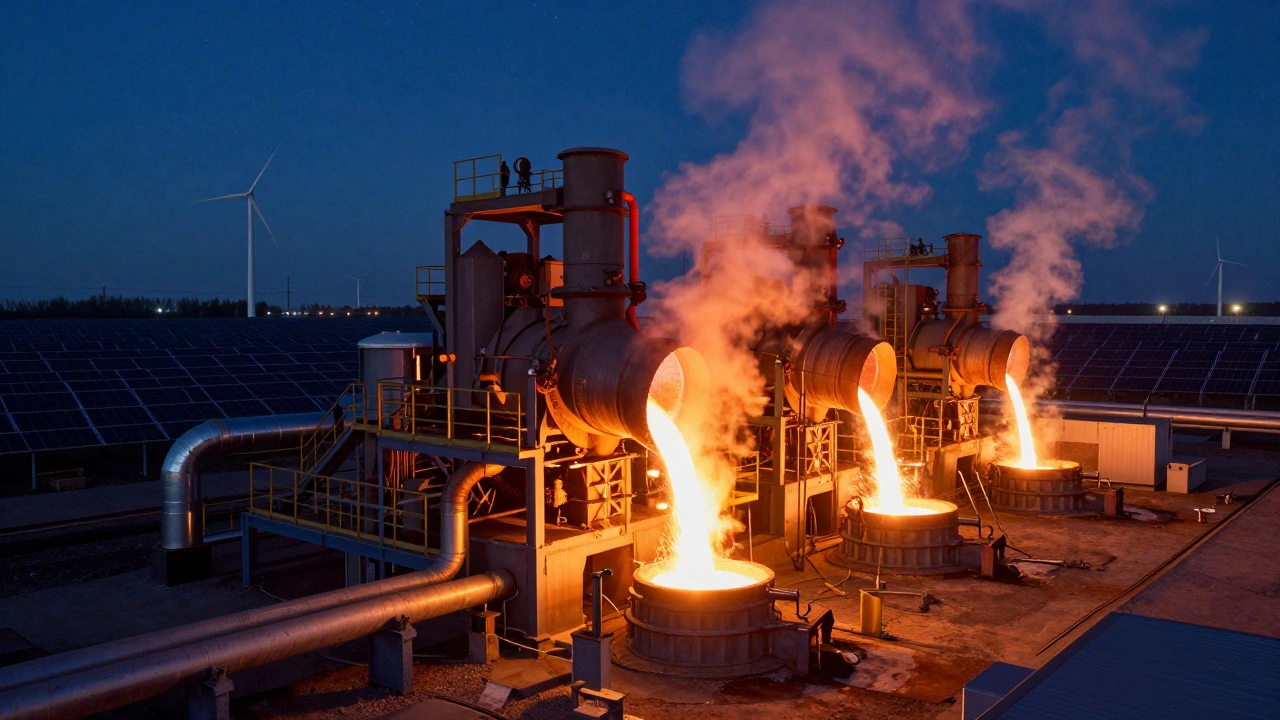
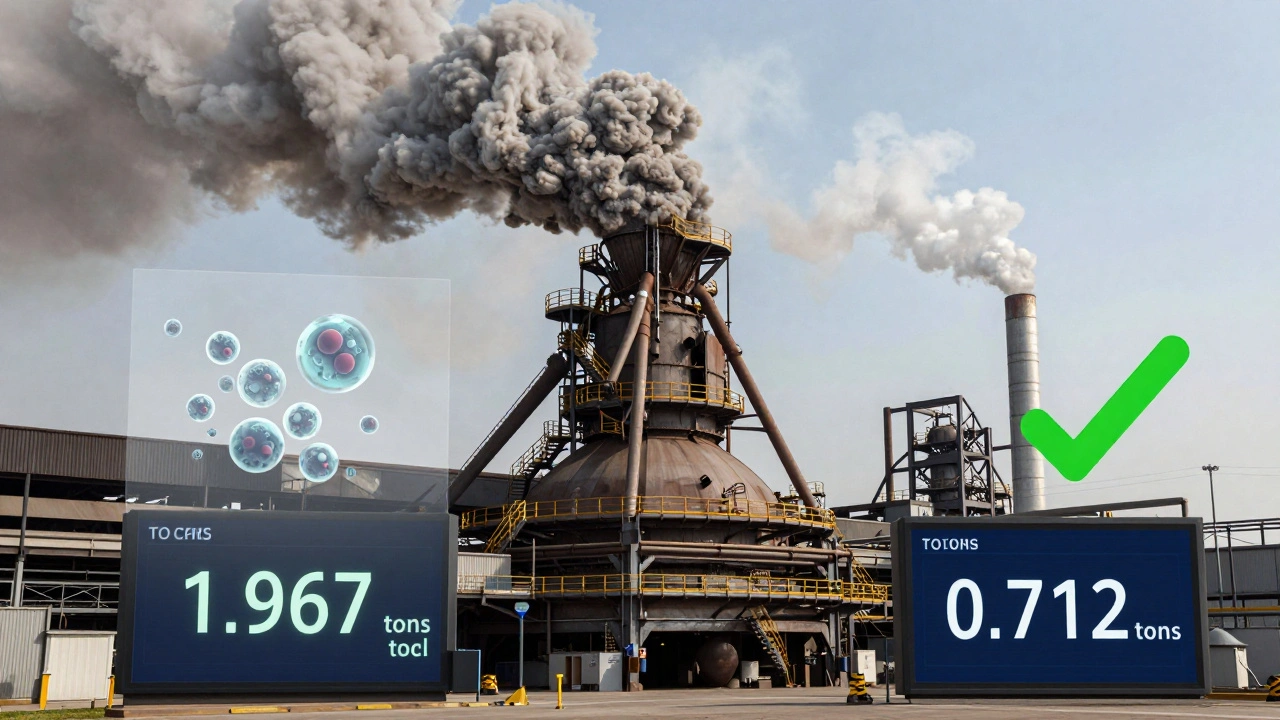
Industrial decarbonization requires a mix of hydrogen, CCUS, and electrification to cut emissions from steel, cement, and chemicals. Each technology tackles different challenges - and together, they’re the only path to net-zero manufacturing.
The WTO's Appellate Body is paralyzed after the U.S. blocked appointments for years. Now, trade disputes can't be resolved, countries are using temporary workarounds, and the global trade system is at risk of collapsing into chaos.
Carbon border adjustments and sustainable supply chain rules are reshaping global trade. Companies must now track emissions, prevent deforestation, and ensure ethical labor-on pain of fines, lost markets, or legal action.
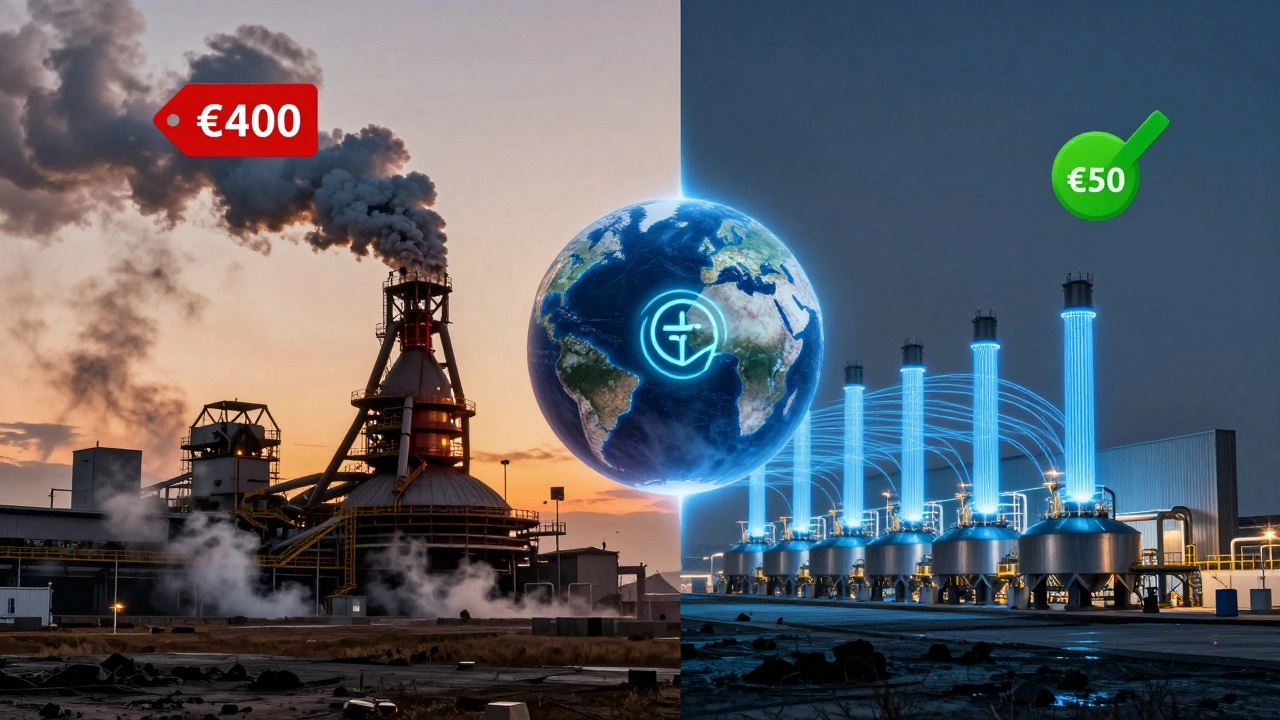
Carbon border adjustments are reshaping global trade by charging importers for the emissions embedded in their goods. The EU's CBAM targets steel, cement, and aluminum, forcing producers worldwide to decarbonize-or lose access to Europe's market.
Generative AI is reshaping creative industries by training on copyrighted work without permission, threatening artists' livelihoods. Legal battles, new laws like the CLEAR Act, and ethical AI models are emerging to protect human creators.
Climate risk disclosure is now mandatory for U.S. public companies under SEC rules and globally under ISSB standards. Learn what data you must report, how timelines differ, and how to build decision-useful disclosures that meet investor expectations.
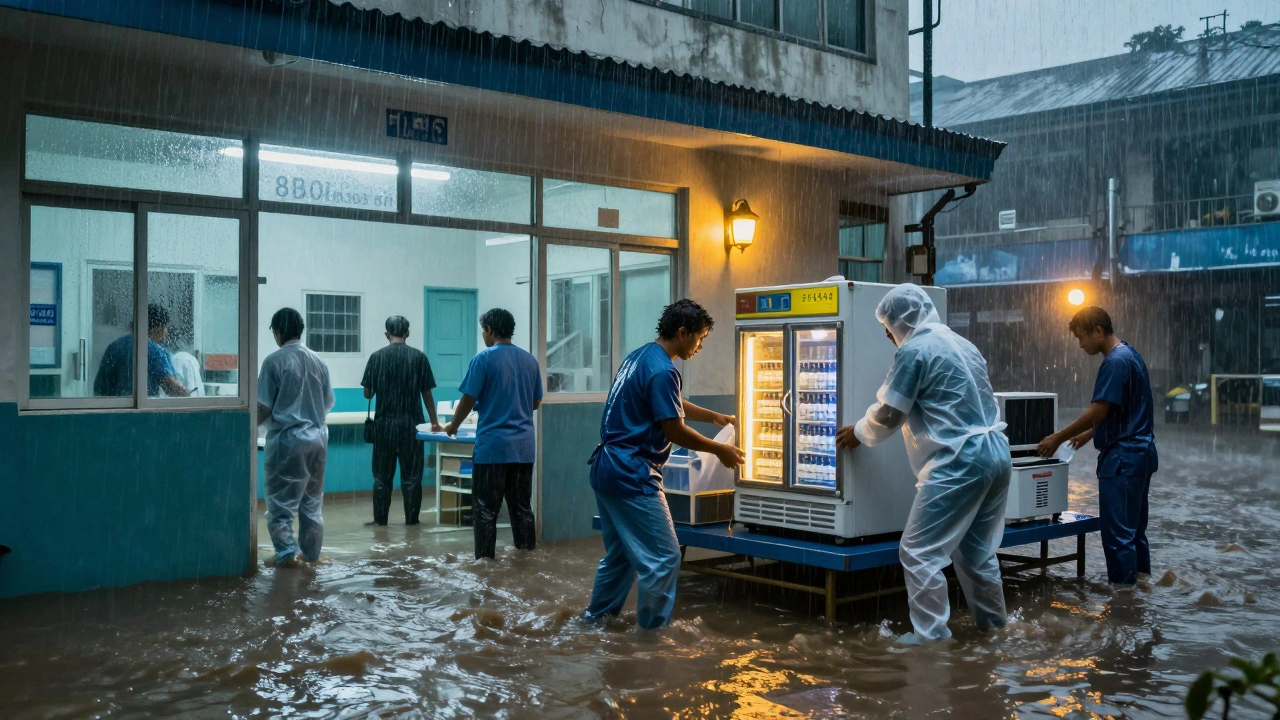
WHO's Climate-Health Blueprint shows how global health systems are being transformed to withstand rising temperatures while cutting their own emissions. It's not just about treating climate-related illness - it's about rebuilding health care to survive it.
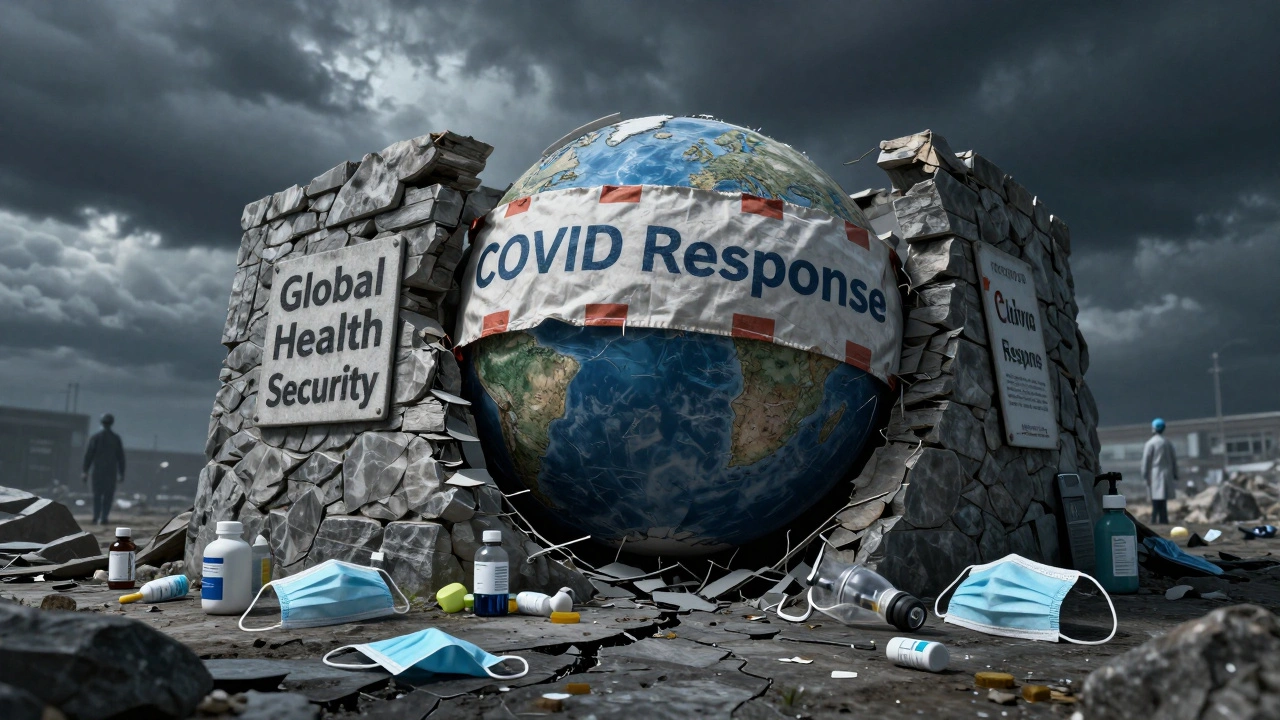
The Global Health Security Index reveals that despite lessons from COVID-19, the world remains dangerously unprepared for the next pandemic. Critical gaps in health systems, vaccine distribution, and international cooperation persist - and funding continues to decline.
Antimicrobial resistance is killing over 1 million people a year from drug-resistant infections, outpacing HIV/AIDS and malaria. Without global stewardship policies, common infections could become untreatable.
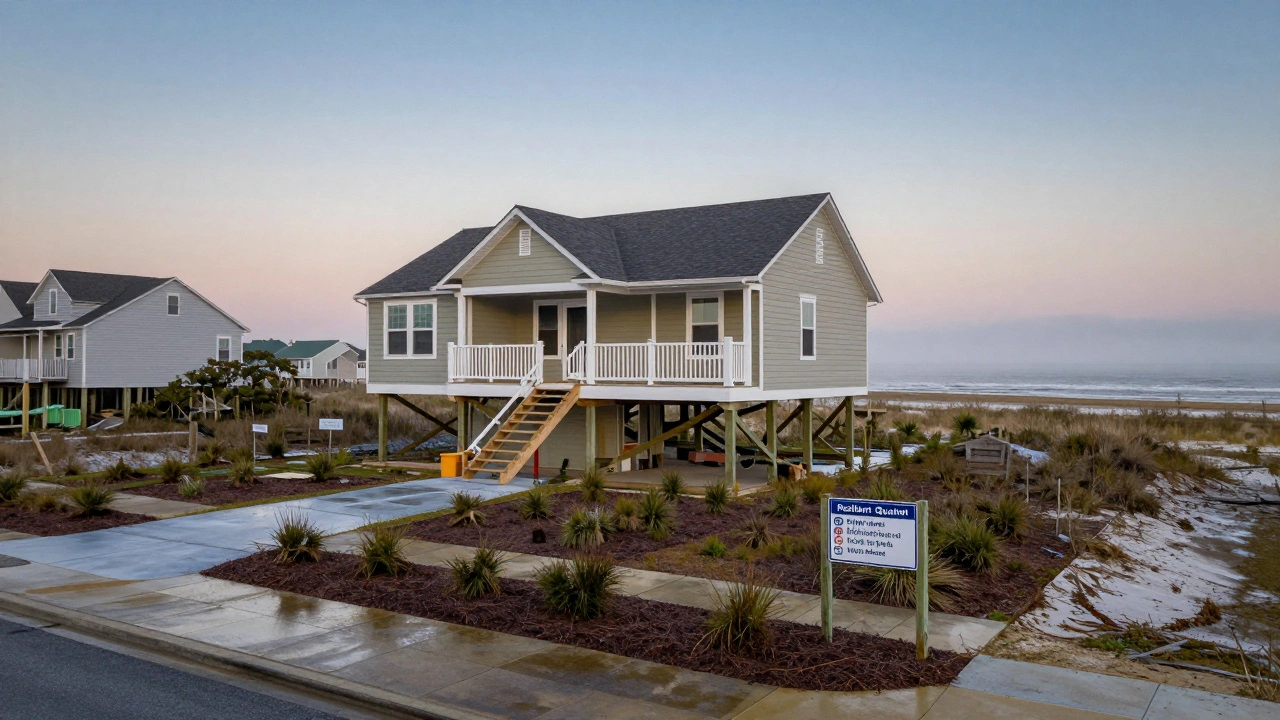
Coastal communities face rising seas and frequent flooding. Resilient zoning, managed retreat, and insurance reform are three proven strategies to reduce risk, save money, and protect lives. Here’s how they work-and why they must be used together.
Nationally Determined Contributions (NDCs) are countries' climate action plans under the Paris Agreement. Current commitments fall far short of needed emissions cuts, creating a dangerous ambition gap. This article explains the science behind the gap, how credibility is checked, and what's being done to close it.
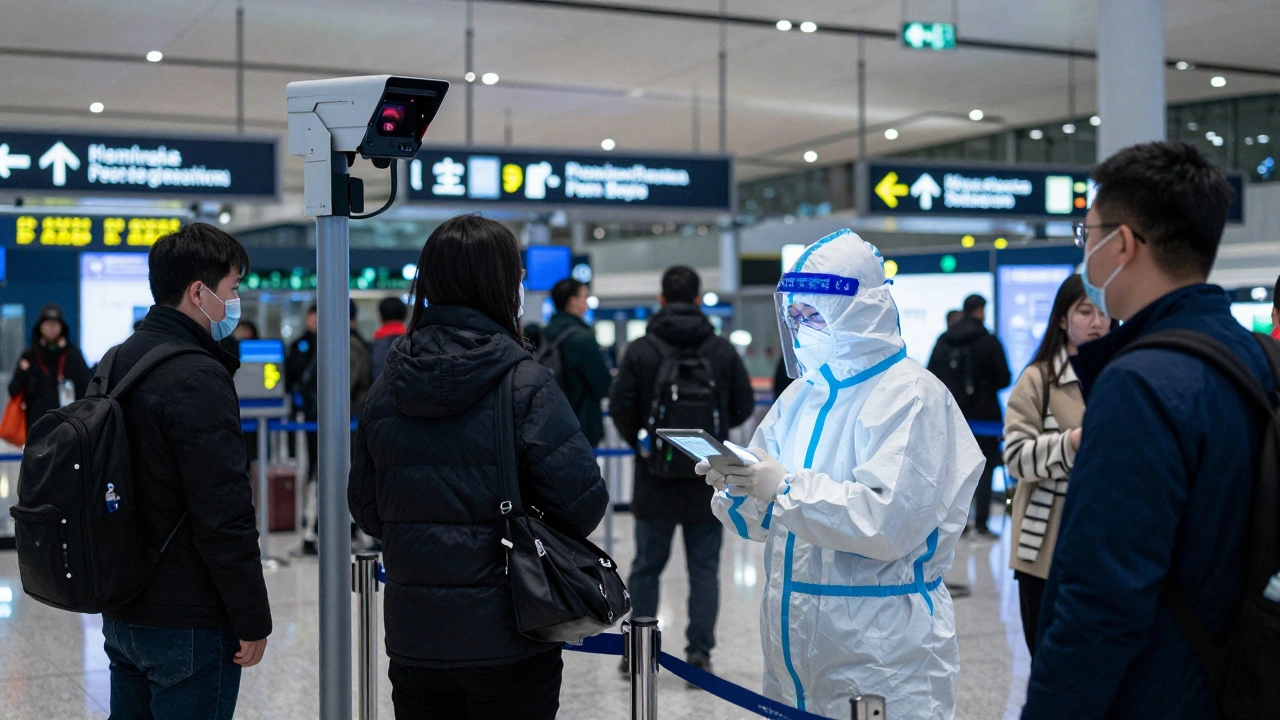
Cross-border health coordination uses WHO guidelines, data sharing, and travel rules to stop diseases from spreading internationally. Points of Entry at airports and borders are the frontline-here’s how they really work.