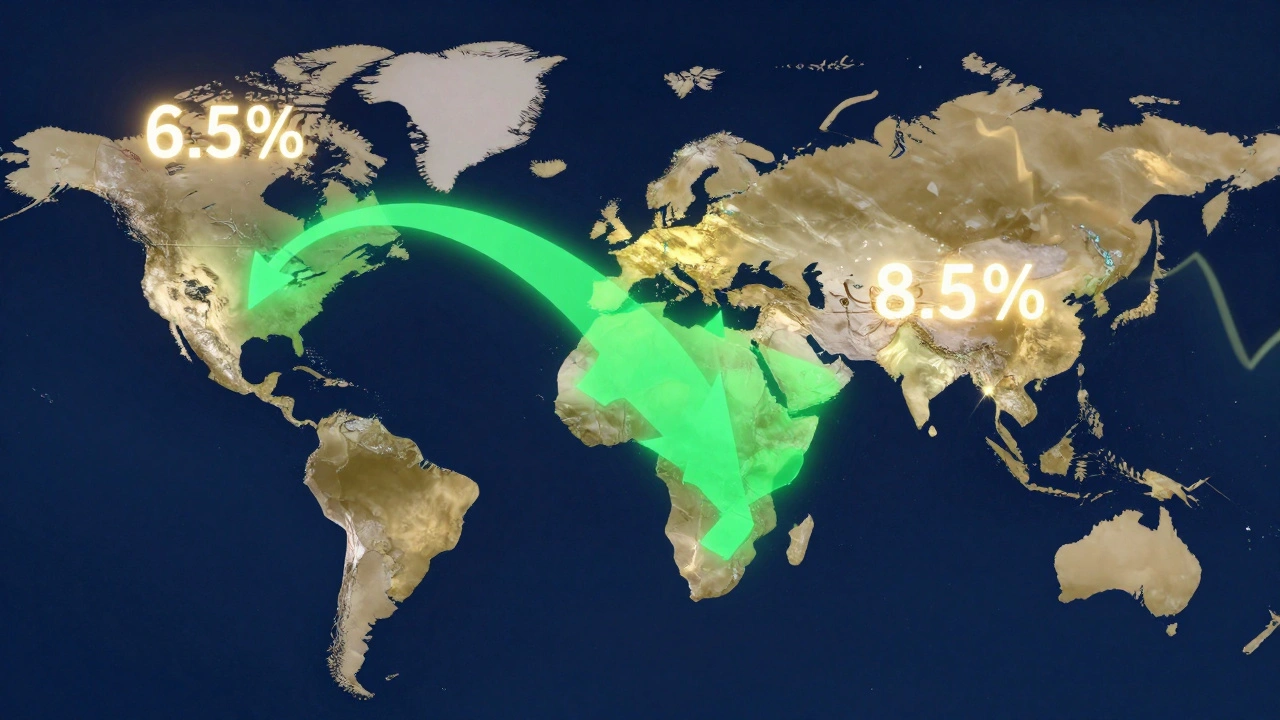
Emerging Market Debt in 2025: Why Lower Risk Premiums and Fiscal Discipline Are Creating Real Yield Opportunities
Emerging market debt in 2025 is offering stronger yields and lower risks than ever before, thanks to improved fiscal discipline, falling inflation, and a weaker dollar. Investors are shifting from skepticism to strategic allocation.

Trade Finance Under Stress: How Liquidity, Insurance, and Counterparty Risk Are Changing in Fragmented Markets
Trade finance is under pressure from tariffs, liquidity crunches, and unpredictable counterparty risks. As markets fragment, businesses must rethink how they insure, fund, and move goods across borders.
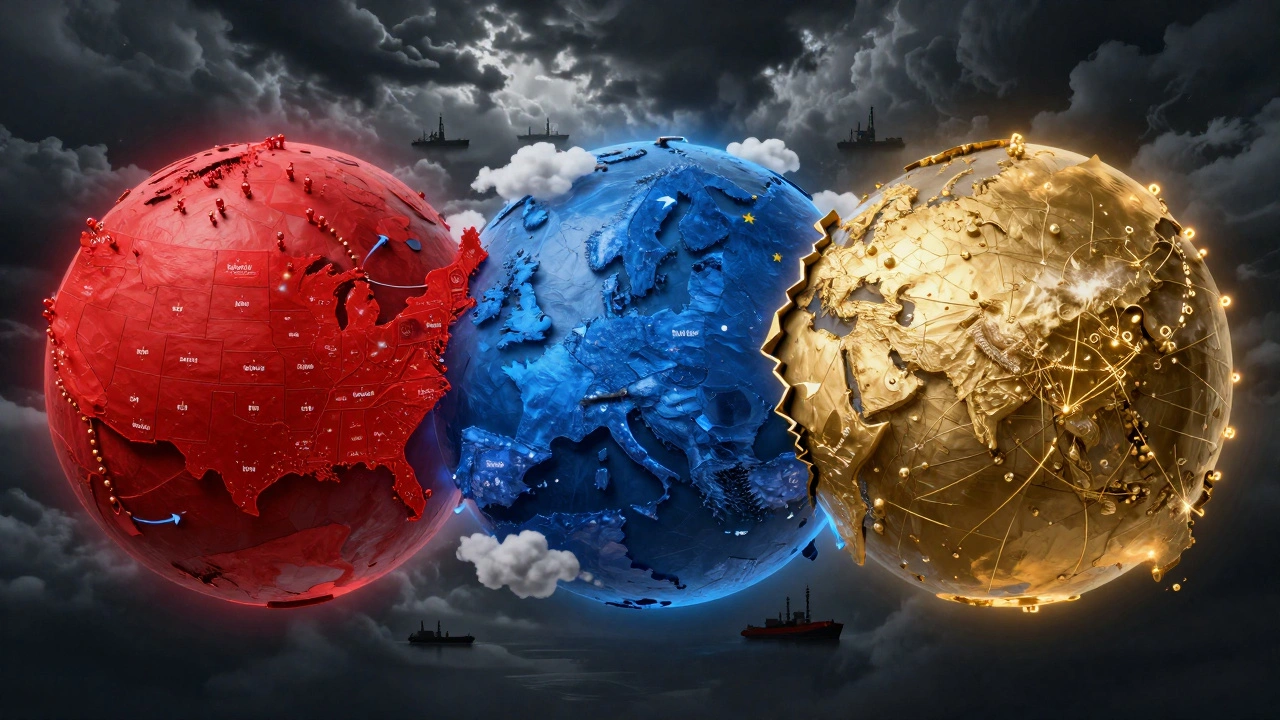
Regional Trade Blocs: How U.S., EU, and China Are Reshaping Global Commerce
The U.S., EU, and China are building competing trade blocs that are reshaping global commerce. Tariffs, rare earth controls, and supply chain shifts are forcing businesses to choose sides-and the stakes have never been higher.
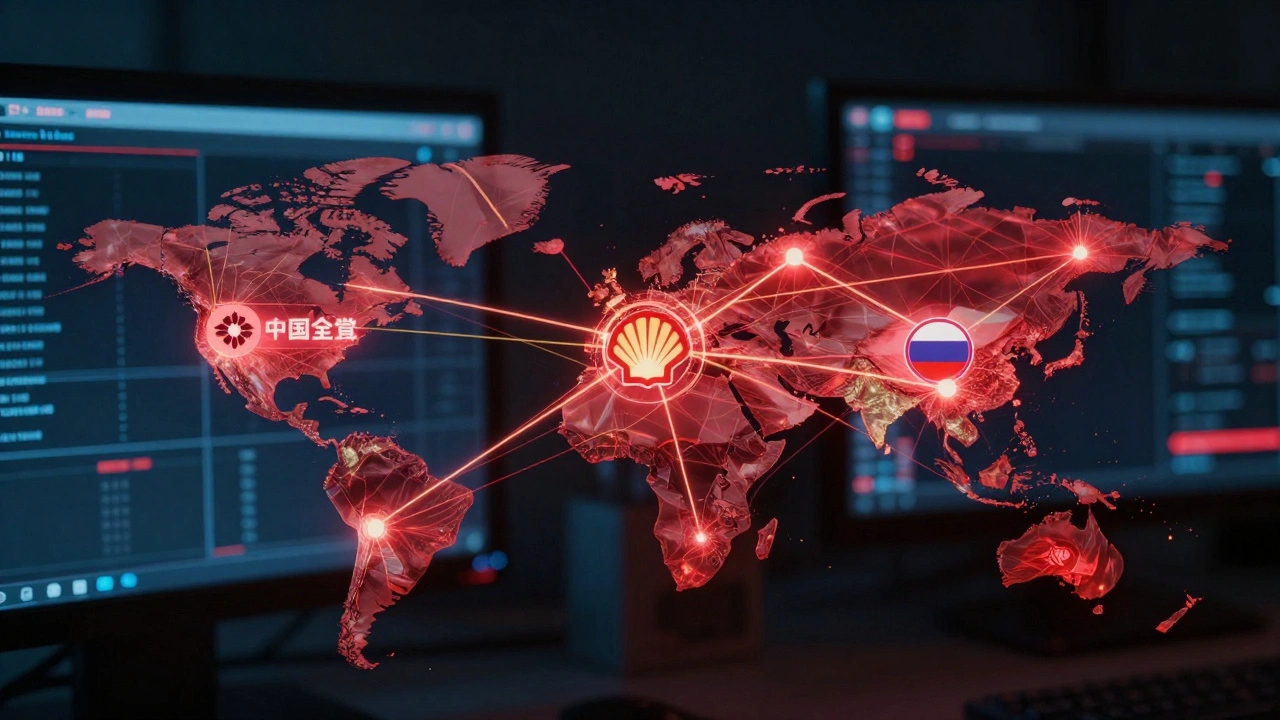
Sanctions and Finance: How to De-Risk Exposure to Restricted Counterparties and Sectors in 2026
In 2026, financial institutions are cutting ties with anyone linked to sanctioned countries-even indirectly. Learn how de-risking works, why penalties are rising, and what systems actually work to stay compliant without losing business.
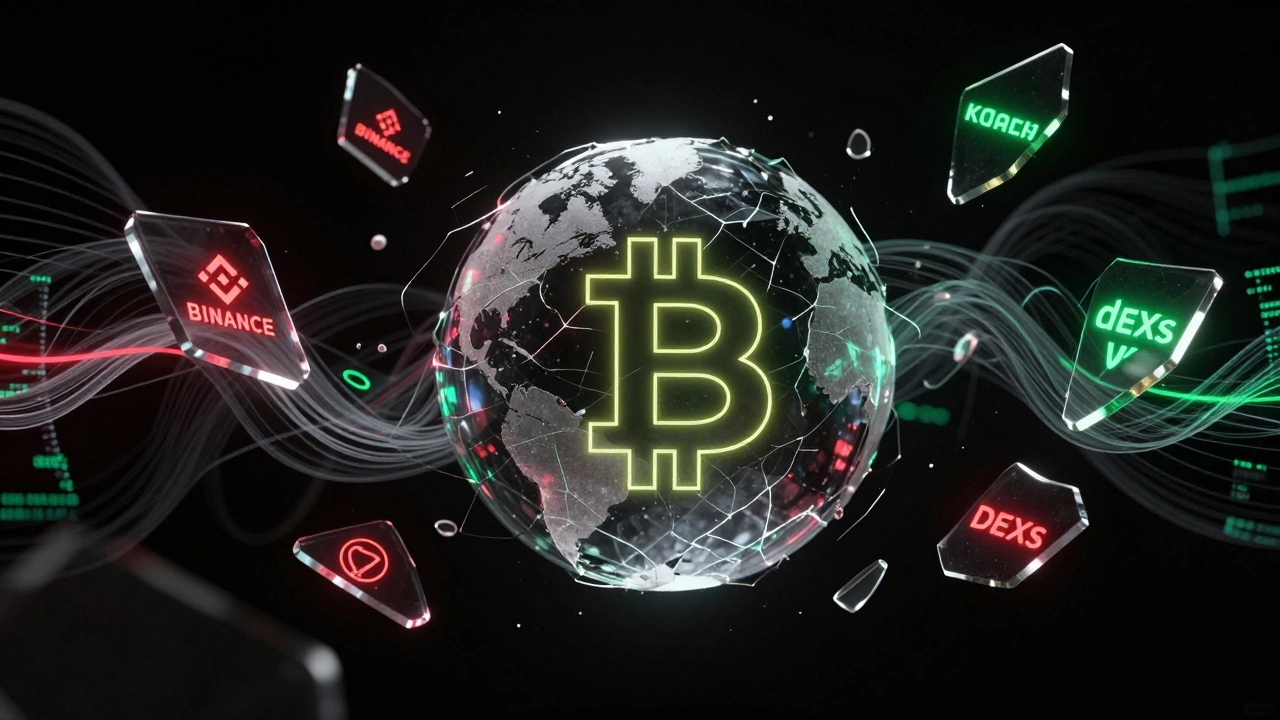
Liquidity in Fragmented Markets: How Market-Making, Spreads, and Stress Testing Work Today
Liquidity is scattered across exchanges, dark pools, and blockchains-making trading more expensive and risky. Learn how market-makers adapt, why spreads widen, and how stress testing reveals hidden dangers in fragmented markets.

Debt Markets and Rate Cuts: Refinancing Windows Before Inflation Reaccelerates
With Fed rate cuts in 2025, homeowners and businesses have a narrow window to refinance debt before inflation pushes rates back up. Act now to lock in savings before the window closes in early 2026.
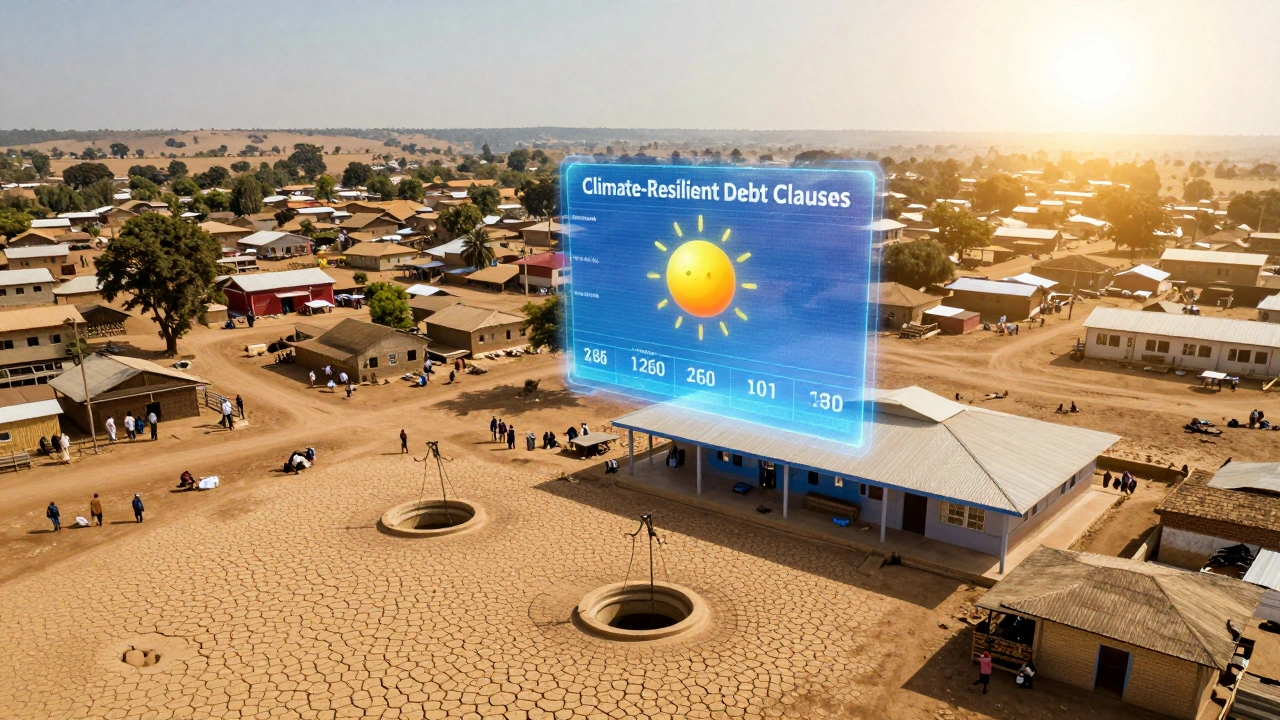
Financing Climate Adaptation in the Global South: Proven Tools Beyond Grants
Traditional climate grants aren't enough for the Global South. This article explores proven financial tools-like climate-resilient debt, guarantees, and blended finance-that unlock private capital and deliver faster, smarter adaptation.
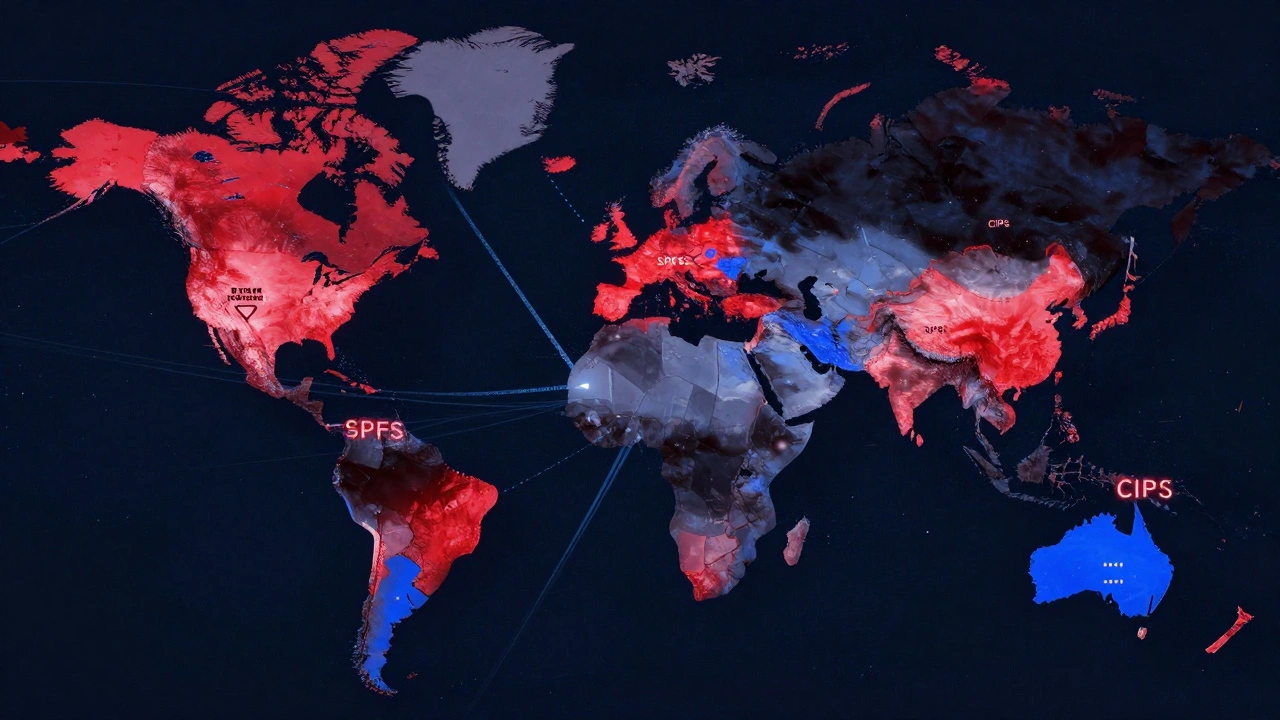
Global Sanctions Architecture: How Coalitions Are Shaping-and Undermining-Modern Economic Statecraft
Global sanctions have become fragmented, overused, and increasingly ineffective. With the U.S., EU, and UK acting separately and China and Russia building alternatives, sanctions now harm ordinary people more than targets-and risk losing all strategic power.
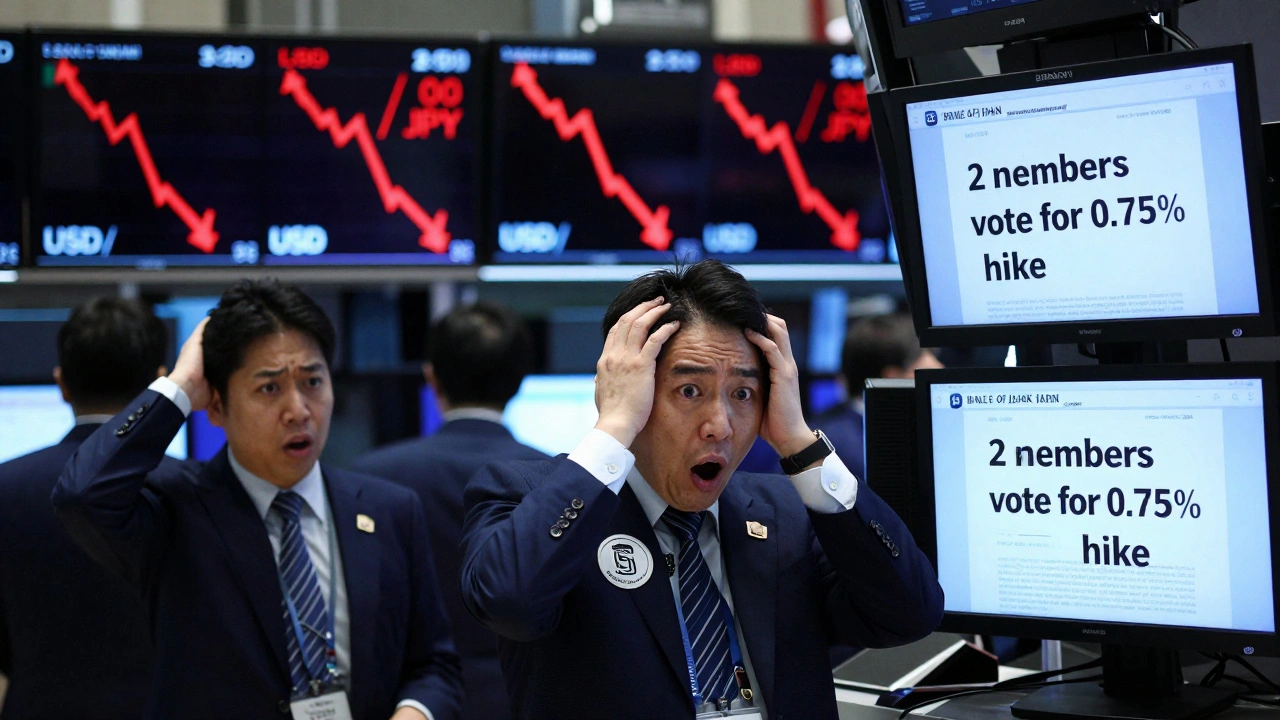
Yen Shock Risk: How Bank of Japan Rate Moves Could Unwind Currency Strategies Overnight
The Bank of Japan's shift from negative rates to 0.5% has unleashed Yen shock risk, threatening $1.2 trillion in global carry trades. A December 2025 rate hike could trigger massive forex volatility and wipe out retail traders overnight.

Peacekeeping Mandates Under Strain: How Resource Gaps and Political Gridlock Are Breaking UN Missions
UN peacekeeping missions are collapsing under unpaid bills and rigid budgets. With $2 billion missing and troops being pulled, civilians in conflict zones are left unprotected as the world watches - and doesn’t pay.
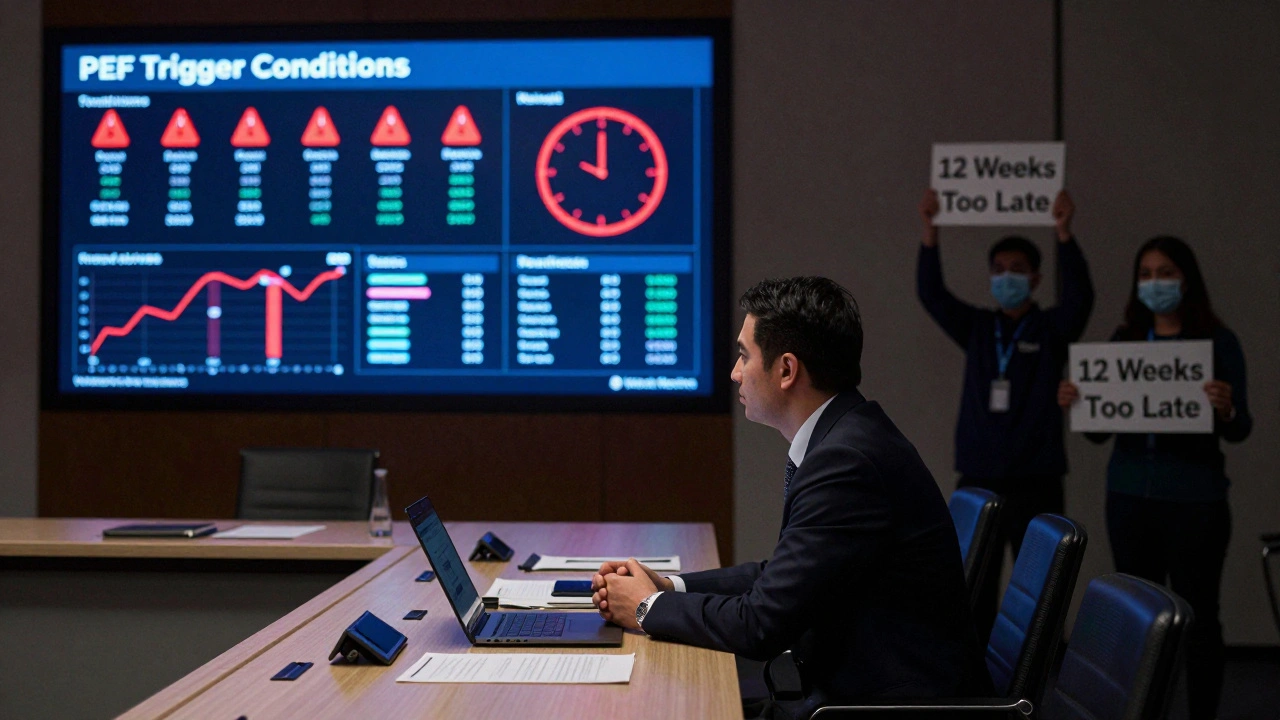
Risk Insurance for Outbreaks: How Pandemic Bonds Failed and What Came Next
The World Bank's Pandemic Emergency Financing Facility was meant to speed up pandemic funding-but its complex triggers delayed payouts during COVID-19, costing lives. Now, grant-based systems are replacing risky financial instruments.
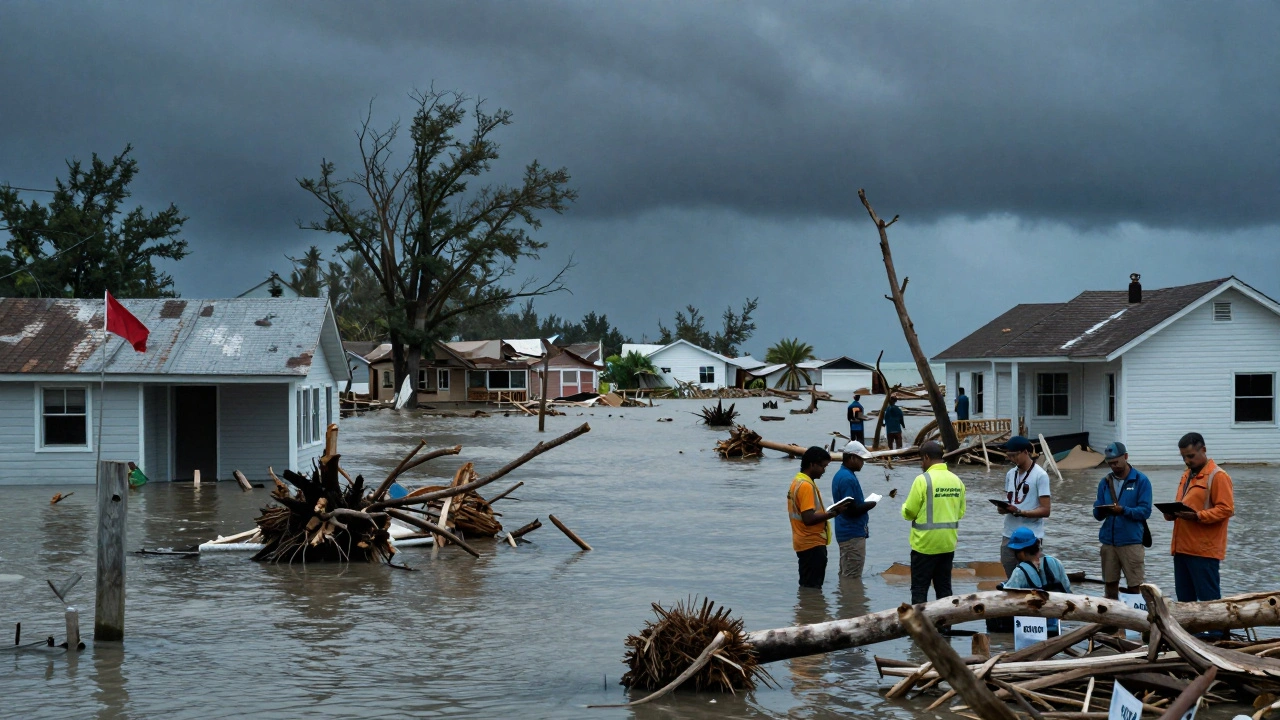
Multilateral Climate Finance: How Loss-and-Damage and Transition Funds Are Governed Today
Multilateral climate finance is evolving to address loss and damage and just transitions. Learn how the Green Climate Fund, Loss and Damage Fund, and other institutions are restructuring governance to deliver real support to vulnerable nations.