
Public-Private Climate Partnerships: How to Structure Bankable Climate Projects at Scale
Public-private climate partnerships are the most effective way to fund resilient infrastructure at scale. Learn how structured contracts, risk-sharing, and policy support make these projects bankable for investors and vital for communities.

Cross-Border Capital Flows: How FDI and Portfolio Shifts Are Reshaping Global Finance
Cross-border capital flows are fragmenting as geopolitical tensions reshape FDI and portfolio investment patterns. FDI is becoming more regional and stable, while portfolio flows are fleeing uncertainty-creating new winners, losers, and risks in global finance.

Cross-Border Capital Flows: Tracking FDI and Portfolio Shifts in a Fragmenting Economy
Cross-border capital flows are fragmenting as geopolitics reshape investment patterns. FDI is holding steady while portfolio flows retreat, pushing capital into regional blocs and raising costs for emerging markets. Here's what's really happening.

AI Equity Concentration: How to Manage Portfolio Risk When Tech Stocks Dominate Indexes
AI equity concentration is reshaping global markets, with a few tech giants driving most index returns. This creates hidden portfolio risk-diversification is an illusion when assets move in lockstep. Learn how to manage exposure, avoid overvaluation traps, and build resilient portfolios using core-satellite strategies and global diversification.
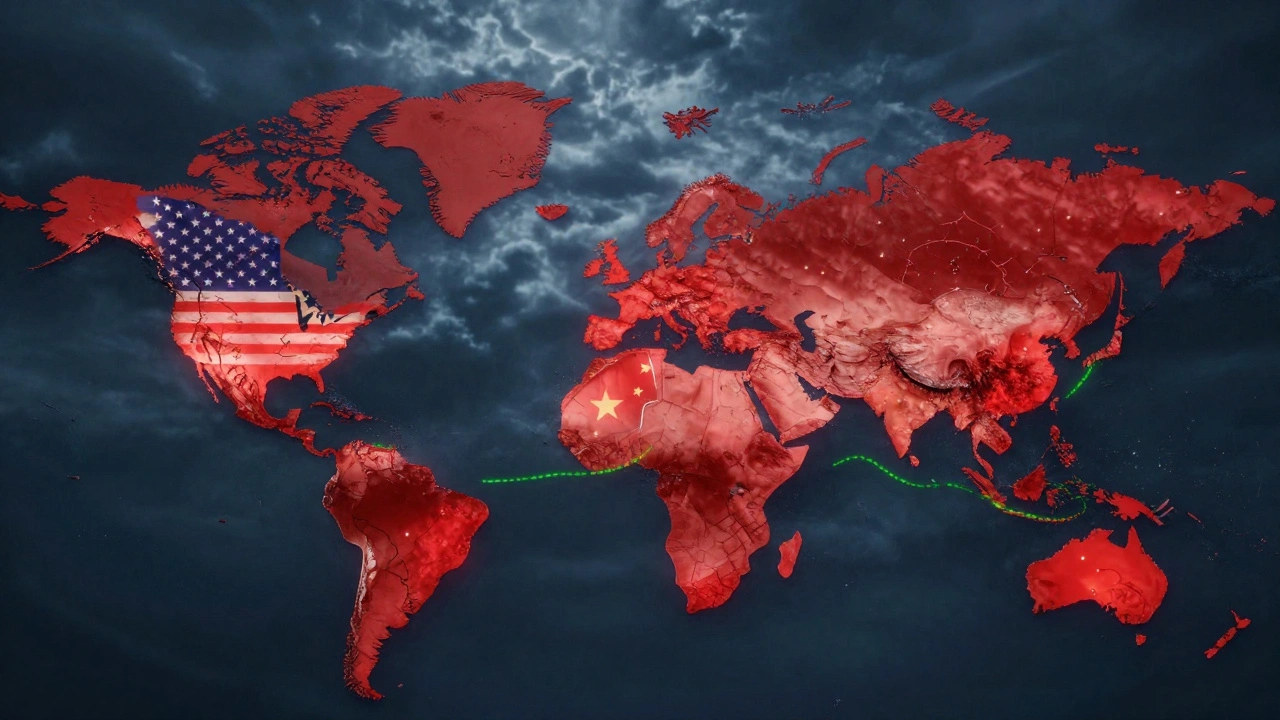
WTO Outlook on Protectionism: How Tariffs Are Slowing Global Trade Growth in 2026
The WTO warns that global trade growth in 2026 will plummet to just 0.5% due to rising tariffs and protectionist policies, threatening global economic stability and reshaping supply chains worldwide.
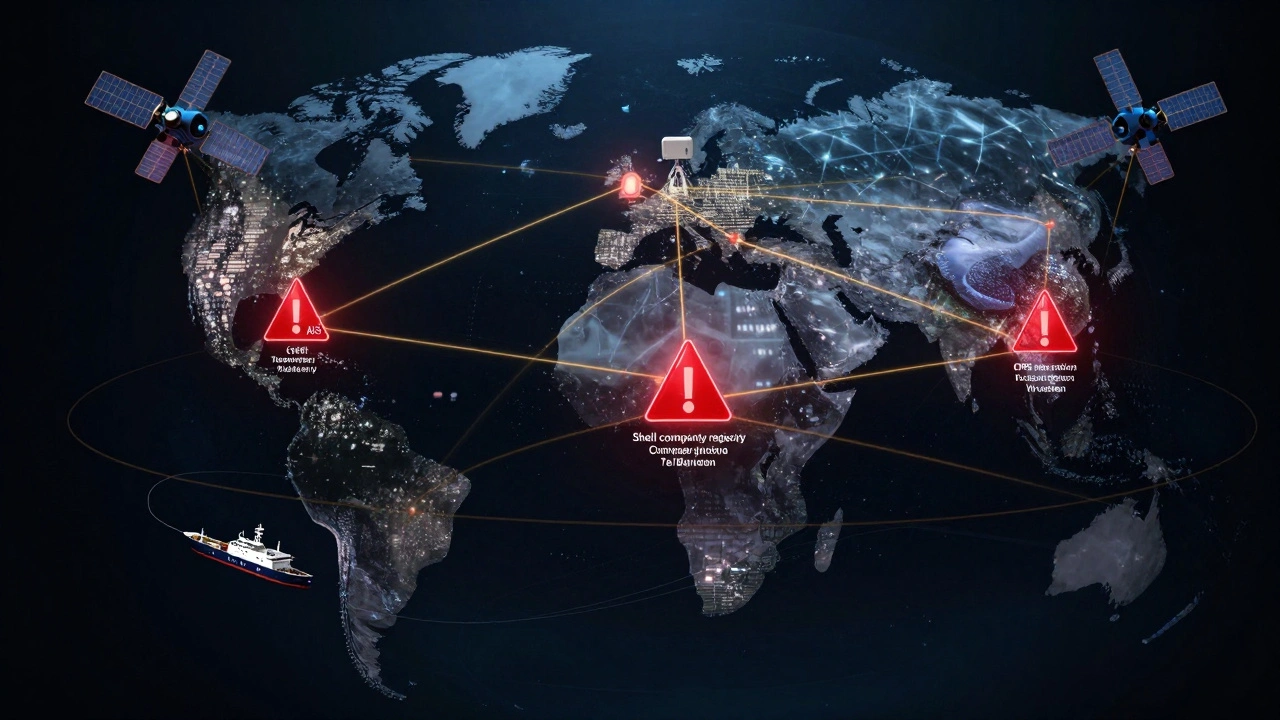
Sanctions Evasion Monitoring: How Allies Share Data and Enforce Compliance
Sanctions only work if enforced. Allies are now sharing real-time data on shell companies, shipping routes, and payment systems to stop evasion-using AI, satellite tracking, and joint enforcement to close the gaps.
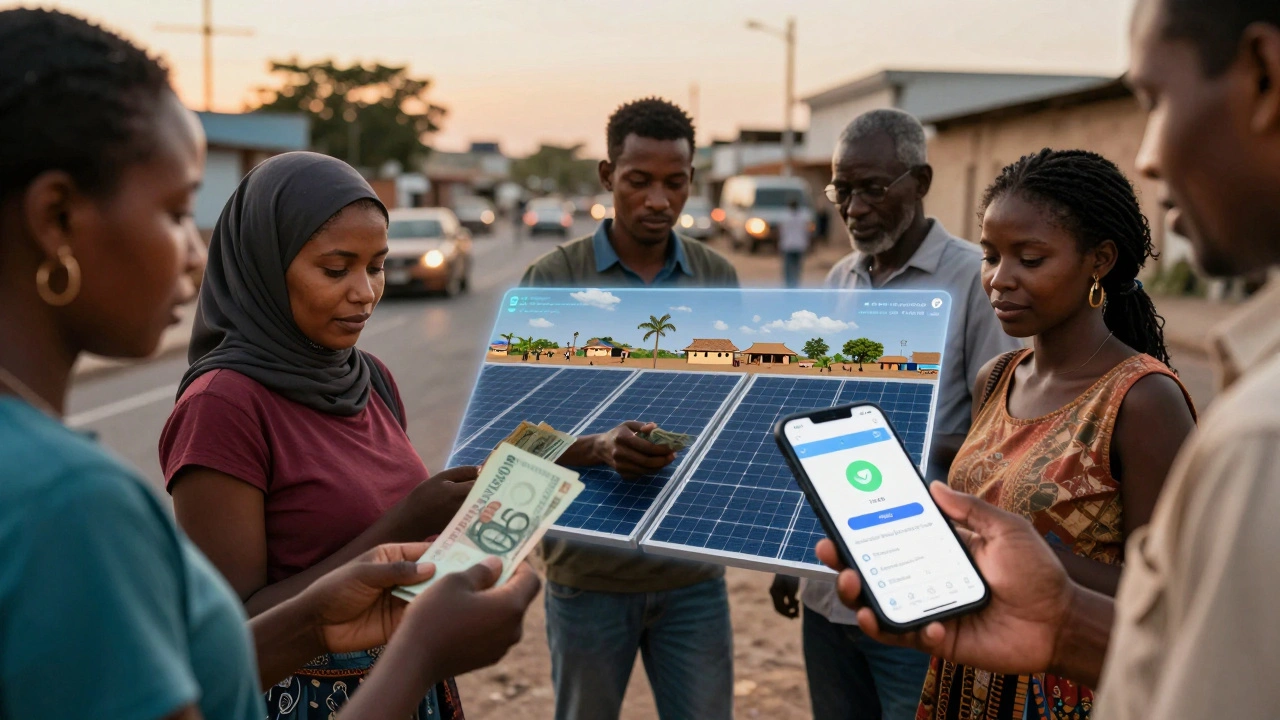
Diaspora Networks and Development: Turning Remittances Into Real Economic Growth
Remittances from migrants are a $700+ billion global force-more than foreign aid. Yet most go to basic needs. This article shows how turning them into productive investment can transform development, with real examples from India, Africa, and digital innovations.

Capital Allocation for Uncertainty: How Smart Companies Use Cash, Buybacks, and Capex to Survive and Grow
In times of economic uncertainty, smart companies don't hoard cash or chase growth at all costs. They use disciplined capital allocation - strategic cash reserves, controlled buybacks, and ruthless capex discipline - to survive and outperform. Here's how.
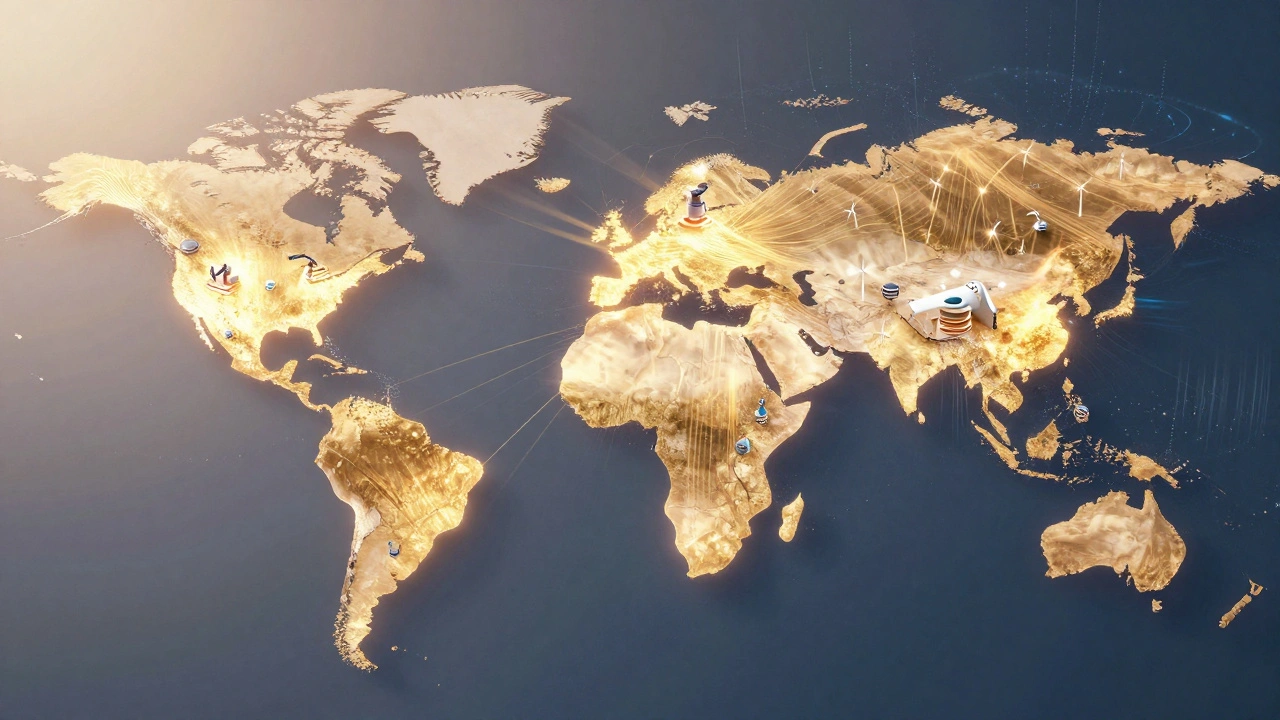
Venture Funding in 2025: Sector Rotation Toward Frontier and Climate Technologies
In 2025, venture funding hit $425 billion as investors shifted from pure AI plays toward frontier technologies like robotics and climate solutions-driven by regulation, maturing tech, and real-world demand.

How G20, IMF, and Central Banks Coordinate Financial Crisis Response
The G20, IMF, and central banks coordinate to manage global financial crises. This article explains how they work together, their successes, challenges, and future steps in maintaining financial stability.

Systemic Risk Watchlist: Macro Shocks That Could Crash AI-Driven Stock Rallies
AI-driven stock rallies are fueled by massive tech spending, but market concentration, regulatory pressure, and technical flaws create serious systemic risks. Here's what could trigger a crash in 2026.

Financing Preparedness: How to Close the Budget Gap in National Epidemic Response Plans
Closing the budget gap in national epidemic response plans requires urgent, sustained funding. With global preparedness spending at just 0.00034% of GDP, countries must prioritize 0.1-0.2% of GDP for pandemic readiness and integrate biosecurity into defense budgets to avoid catastrophic failure.