
One Health Integration: How to Manage Zoonotic Risks at the Human-Animal-Environment Interface
One Health integration connects human, animal, and environmental health to prevent zoonotic diseases before they spread. With 60% of human infections originating in animals, coordinated surveillance and community-based action are critical for pandemic prevention.

Financing Preparedness: How to Close the Budget Gap in National Epidemic Response Plans
Closing the budget gap in national epidemic response plans requires urgent, sustained funding. With global preparedness spending at just 0.00034% of GDP, countries must prioritize 0.1-0.2% of GDP for pandemic readiness and integrate biosecurity into defense budgets to avoid catastrophic failure.

Health Data Interoperability: Standards for Privacy, Security, and Rapid Analytics
Health data interoperability standards now require secure, real-time exchange of patient information across systems using FHIR APIs and USCDI v3. Compliance is mandatory by 2026, with major implications for privacy, analytics, and care delivery.

AI Procurement Playbooks: How to Evaluate Vendors, Set SLAs, and Protect IP for Model Integrations
AI procurement isn't about buying software-it's about managing risk, ownership, and performance. Learn how to evaluate vendors, write real SLAs, and protect your IP when integrating AI models into your business.
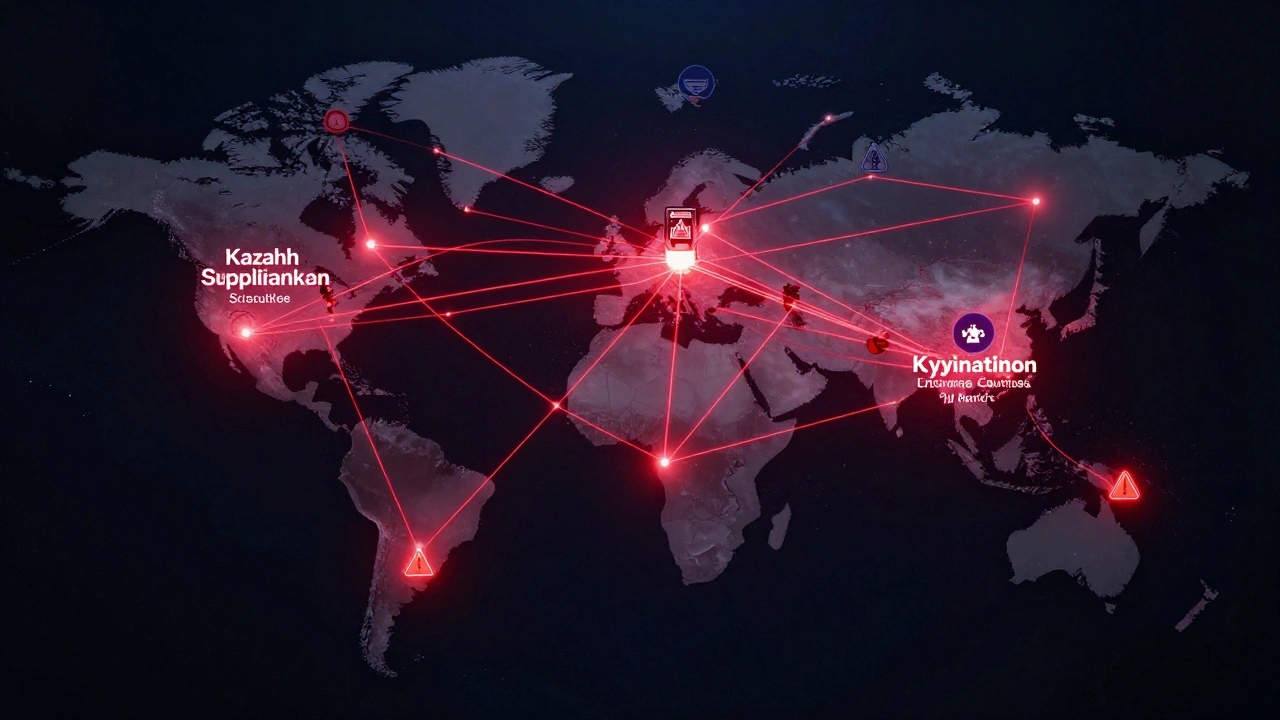
Sanctions Exposure Mapping: How Multinationals De-Risk Operations Across Jurisdictions
Sanctions exposure mapping helps multinationals trace hidden risks in their supply chains and ownership networks to avoid fines, legal action, and reputational damage from global sanctions regimes like OFAC and the EU.

Vibe Culture in Marketing: How Slower, Mood-Driven Trends Are Reshaping Brand Strategy in 2025
In 2025, brands are winning by focusing on mood, not metrics. Vibe marketing uses AI to align campaigns with how audiences feel - not what they buy. Discover how emotional signatures are replacing demographics and why authenticity beats algorithmic trends.

AI in Healthcare Delivery: How Clinical Decision Support and Workflow Automation Are Changing Patient Safety
AI is transforming clinical decision-making and workflow efficiency in healthcare - but not without risks. Learn how AI improves diagnostics, automates tasks, and where patient safety concerns still loom large.

Export Controls on Critical Tech: How Semiconductor, AI, and Quantum Restrictions Are Fragmenting Global Markets
Export controls on semiconductors, AI model weights, and quantum tech are fragmenting global markets, forcing companies to navigate complex licensing rules, compliance risks, and supply chain disruptions that redefine innovation and competition.

Geopolitical Risk Insurance: How Political Risk Coverage Protects Global Investments
Political risk insurance protects global investments from government actions like expropriation, currency controls, and political violence. Learn how it works, who offers it, and why 63% of companies in high-risk countries now rely on it.

Talent Mobility Policies: Connecting Aging Workforces with Young Talent Across Borders
Talent mobility connects aging workforces with young talent across borders to solve skill shortages. Learn how structured programs transfer knowledge, boost retention, and prevent demographic collapse in global economies.

Retirement Age Reforms: How Longer Lives Are Changing When We Stop Working
As people live longer and birth rates fall, governments are raising retirement ages to keep pension systems afloat. Learn how reforms are changing across the world-and what it means for your future.
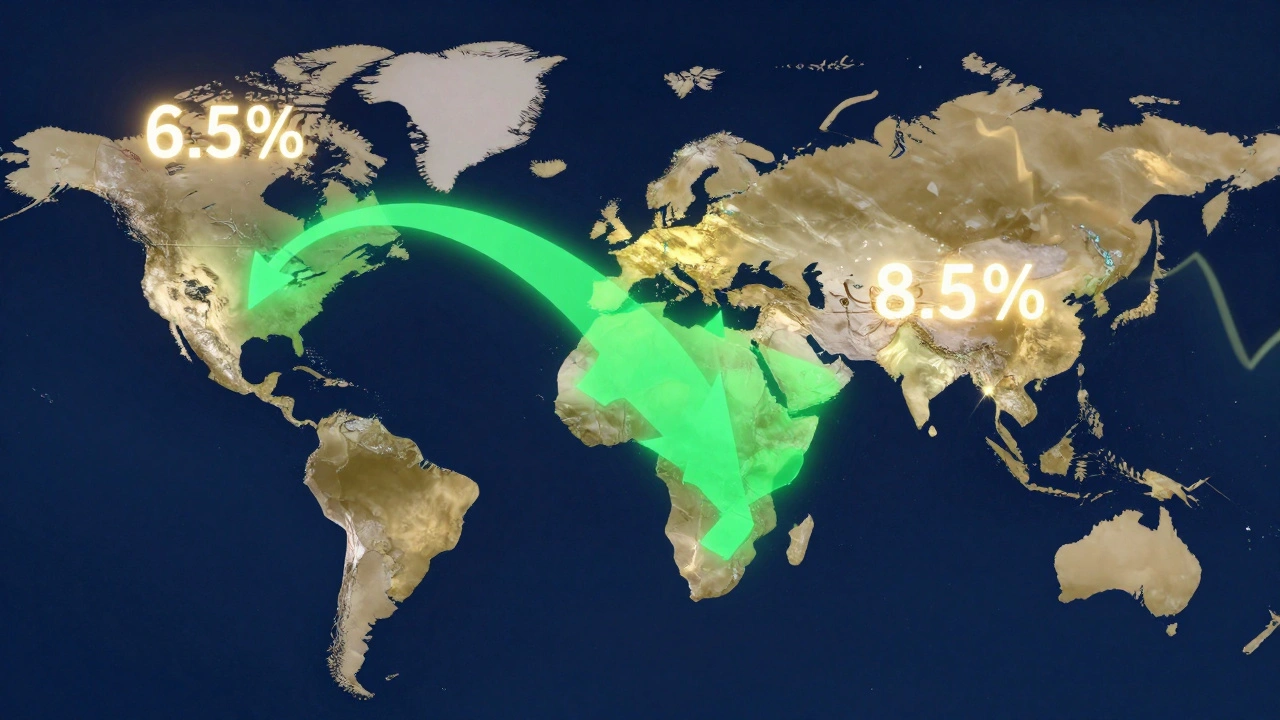
Emerging Market Debt in 2025: Why Lower Risk Premiums and Fiscal Discipline Are Creating Real Yield Opportunities
Emerging market debt in 2025 is offering stronger yields and lower risks than ever before, thanks to improved fiscal discipline, falling inflation, and a weaker dollar. Investors are shifting from skepticism to strategic allocation.
-

Stakeholder Communication in Crises: How to Talk to Investors, Regulators, and Communities
Mar, 2 2026 -

Cloud FinOps Discipline: Managing AI Compute Costs Without Slowing Innovation
Mar, 2 2026 -

Healthcare Systems for Aging Nations: Workforce, Funding, and Prevention Models
Mar, 2 2026 -

WTO Appellate Body Gridlock: How Trade Dispute Resolution Broke and What’s Left
Mar, 1 2026 -

Industrial Decarbonization: How Hydrogen, CCUS, and Electrification of Heat Are Cutting Emissions
Mar, 1 2026