
Cross-Border Operating Standards: How Companies Harmonize Compliance Across Countries
Cross-border compliance harmonization helps global companies reduce legal complexity by aligning regulatory requirements across countries. Learn how risk-based approaches, AI tools, and international standards like ISO 37001 are reshaping compliance strategy in 2026.
AI-Driven Personalization: Closing the Gap Between Capability and Customer Experience Reality
AI-driven personalization can boost sales and loyalty - but only if companies stop guessing and start respecting customer trust. Learn how to close the gap between tech capability and real customer experience.

Dual-Use Technology Controls: Navigating Security, Compliance, and Market Access
Dual-use technology controls are reshaping global trade by restricting items with both civilian and military uses. From quantum chips to AI systems, compliance is costly and fragmented-forcing companies to adapt or lose access to key markets.

AI Safety Benchmarks: How to Measure Hallucinations, Bias, and Robustness in Foundation Models
AI safety benchmarks now measure hallucinations, bias, and robustness in foundation models to prevent real-world harm. Learn which tests matter, who uses them, and why passing them isn't enough.

Strategic Communications in War: How Ukraine Outmaneuvered Russian Disinformation with Morale and Truth
Ukraine turned information warfare into its strongest weapon, using truth, speed, and human stories to counter Russian disinformation and sustain global support. Their strategy redefined modern conflict.

Energy System Transformation: Grid Upgrades, Storage Scaling, and Flexible Demand
The grid is at a breaking point. To meet rising demand and climate goals, we need smarter wires, faster storage, and flexible power use-all happening now. Here's how the energy system is being transformed.
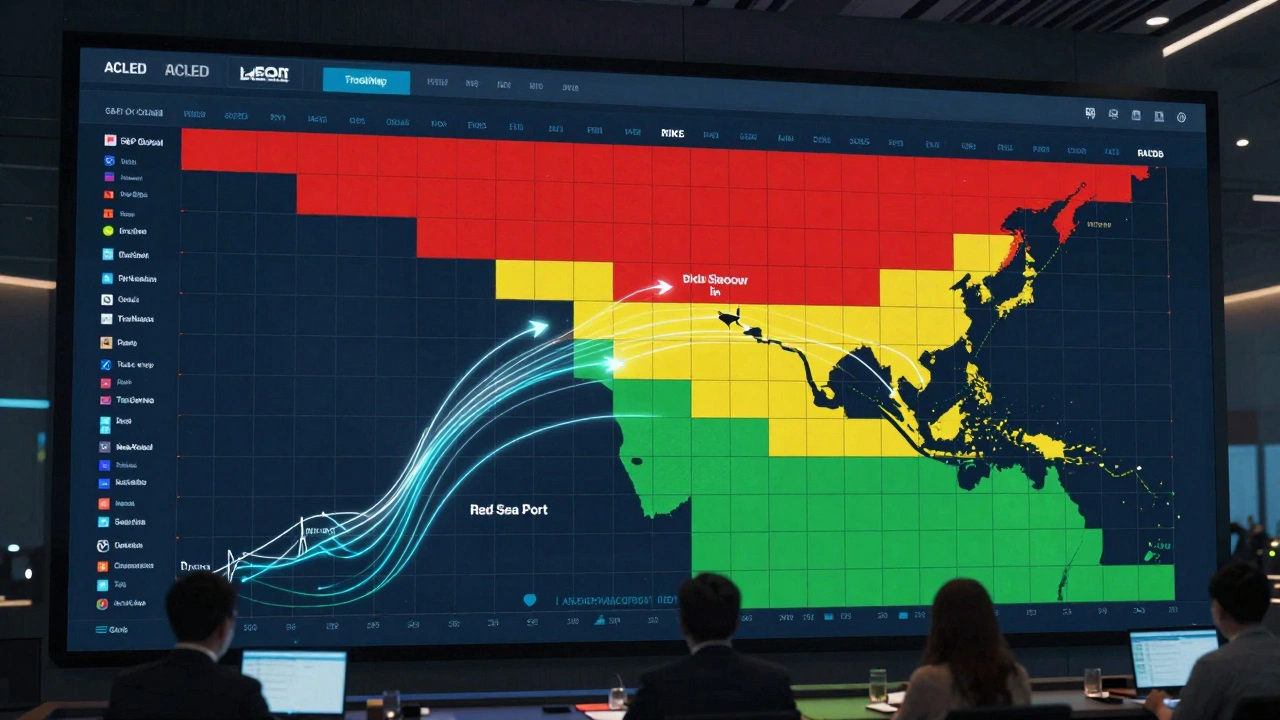
Enterprise Risk Heatmaps: Quantifying Exposure to War, Trade Shocks, and Regulation
Enterprise risk heatmaps help companies visualize exposure to war, trade shocks, and regulation by plotting likelihood against impact. Used by 78% of Fortune 500 firms, they turn complex risks into actionable insights-but only if built with real data and updated dynamically.

Health Data Interoperability: Standards for Privacy, Security, and Rapid Analytics
Health data interoperability standards now require secure, real-time exchange of patient information across systems using FHIR APIs and USCDI v3. Compliance is mandatory by 2026, with major implications for privacy, analytics, and care delivery.

AI Procurement Playbooks: How to Evaluate Vendors, Set SLAs, and Protect IP for Model Integrations
AI procurement isn't about buying software-it's about managing risk, ownership, and performance. Learn how to evaluate vendors, write real SLAs, and protect your IP when integrating AI models into your business.
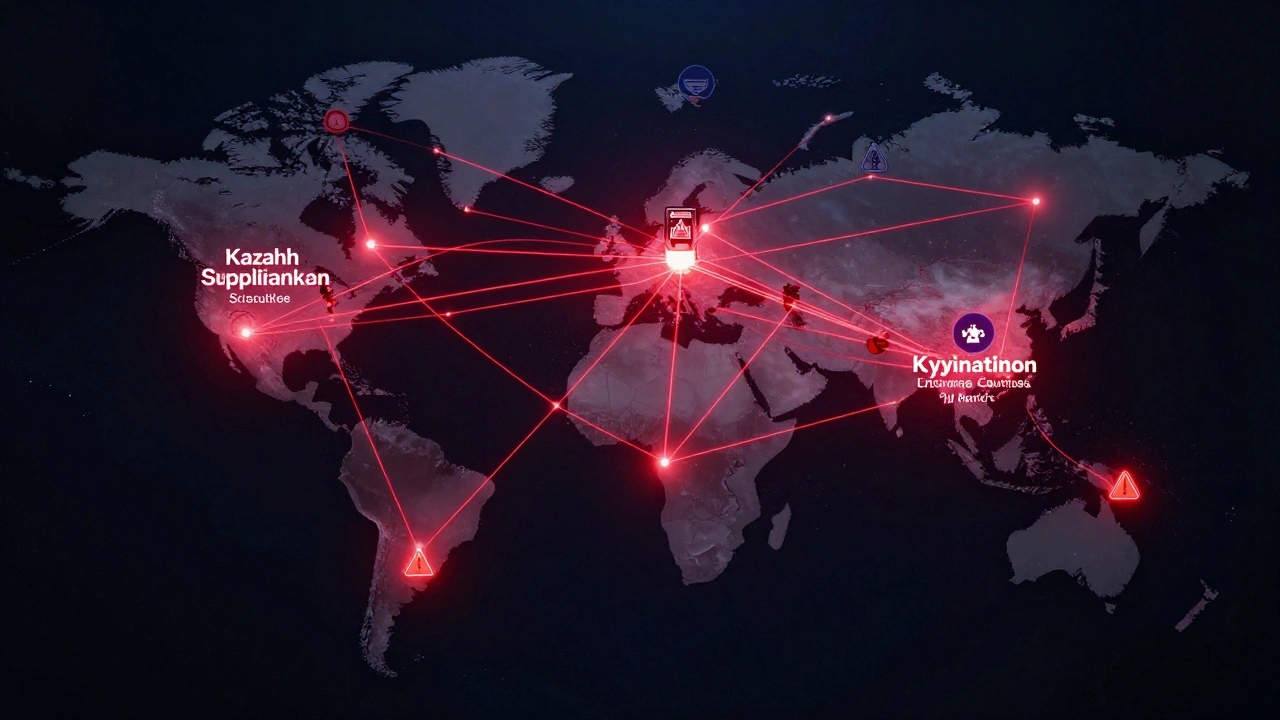
Sanctions Exposure Mapping: How Multinationals De-Risk Operations Across Jurisdictions
Sanctions exposure mapping helps multinationals trace hidden risks in their supply chains and ownership networks to avoid fines, legal action, and reputational damage from global sanctions regimes like OFAC and the EU.

AI in Healthcare Delivery: How Clinical Decision Support and Workflow Automation Are Changing Patient Safety
AI is transforming clinical decision-making and workflow efficiency in healthcare - but not without risks. Learn how AI improves diagnostics, automates tasks, and where patient safety concerns still loom large.

Export Controls on Critical Tech: How Semiconductor, AI, and Quantum Restrictions Are Fragmenting Global Markets
Export controls on semiconductors, AI model weights, and quantum tech are fragmenting global markets, forcing companies to navigate complex licensing rules, compliance risks, and supply chain disruptions that redefine innovation and competition.
-

Industrial Decarbonization: How Hydrogen, CCUS, and Electrification of Heat Are Cutting Emissions
Mar, 1 2026 -

Stakeholder Communication in Crises: How to Talk to Investors, Regulators, and Communities
Mar, 2 2026 -

Healthcare Systems for Aging Nations: Workforce, Funding, and Prevention Models
Mar, 2 2026 -

WTO Appellate Body Gridlock: How Trade Dispute Resolution Broke and What’s Left
Mar, 1 2026 -

Cloud FinOps Discipline: Managing AI Compute Costs Without Slowing Innovation
Mar, 2 2026